Surf Travel Adventures

Live Surf Cams

Surfline Live is a 24/7 glimpse into the world’s surf.

This stream moves through Surfline's global camera network, showing spots where it’s daylight and rated Fair or better.

What's The Deal With...?

Surf Technique Deep Dive

What exactly is an aerial in surfing?

An aerial, or “air,“ is when a surfer launches completely off the top of the wave, becoming airborne before reconnecting with the face. It’s the pinnacle of modern high-performance surfing, blending skate and snowboard influence. You’re essentially using the wave’s lip as a ramp to get skyward. Pulling one off cleanly requires serious speed, precise timing, and a ton of commitment. It’s all about defying gravity for a split second and sticking the landing with style.

What’s the difference between a grab and a floater?

Totally different maneuvers! A floater is a wave-top move where you ride along the crumbling lip, staying in contact with the water. An aerial means you’re fully airborne, with the wave lip below you. Grabs—like an Indy or Slob—are things you do during an air to control your board and add style. You might grab rail to stabilize your rotation or tweak it out for extra points. Grabs are the punctuation on your aerial sentence.

What’s the deal with beach breaks versus point breaks?

Beach breaks are where waves crash over a sandy bottom, like many spots in California. They’re fun but can be unpredictable, shifting with the tides and sandbars. Point breaks are the holy grail—waves peel perfectly along a rocky point or headland, offering longer, more predictable rides. Think Rincon or Jeffreys Bay. Beachies are great for learning and airs; points are for soul-carving and finding your flow. It’s all about reading the lineup.

Mastering the Waves

What defines a “point break”?

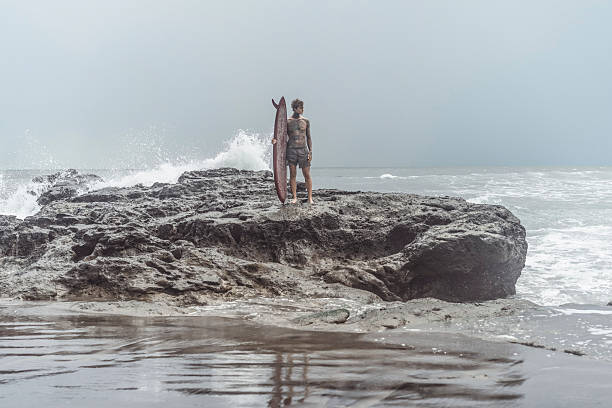
A point break is a wave that breaks along a rocky point or headland, often peeling perfectly in one direction for a long, long ride. Think Malibu or Jeffreys Bay. The swell wraps around the point, creating a smooth, lined-up wall. They’re the ultimate for logging turns and getting into a rhythm. Crowds can be heavy because the wave is so predictable and quality. Paddling out usually means a long trek around the point. Pure, classic surfing rhythm on a point is pure magic.

How Do I Choose the Right Wax?

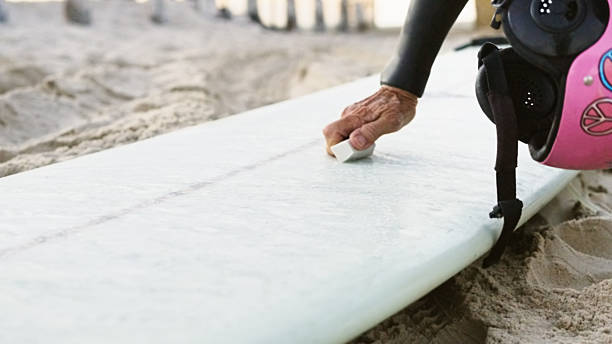
Wax creates traction so you don’t slip off. It’s all about water temperature. Cold water wax is super sticky for frigid temps. Cool water is for most winter sessions. Warm and tropical are for those balmy summer days. Using the wrong type makes it either too hard or melts into a slick mess. Start with a basecoat for a good foundation, then add a topcoat. Give it a fresh rub before each session for maximum grip under your feet.

Is a Good Surf Hat Worth It?

Totally, if you want to protect your dome and your eyes. The sun is no joke out there. A solid surf hat (with a chin strap so it doesn’t bail on a wipeout) shields your face and neck from UV rays. It also helps you see waves better by cutting glare off the water. Look for quick-dry, flexible material that won’t be a drag when you’re duck diving. Staying protected means you can chase the sun all day without getting cooked.