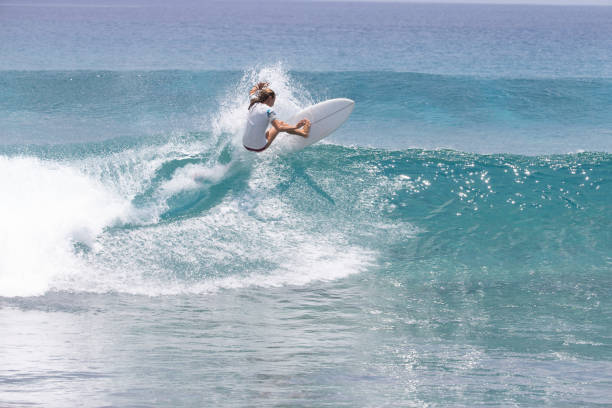
You paddle out at a world-class reef break, the kind of wave that drew you halfway across the globe. The water is warm, the swell is clean, and the vibe is mellow. But as you sit in the channel waiting for your next set, you notice something that kills the magic. A plastic bottle bobs past your ankle, a wrapper floats by, and on the horizon, you spot the unmistakable shape of a single-use bag drifting toward the break. That pristine, postcard-perfect wave has a dirty secret, and we are part of the problem.
Traveling the world to score perfect waves is the dream. The Endless Summer spirit lives in every surfer who chases the sun, the swell, and the empty peak. But the truth is, our passion comes with a footprint. Airplanes burn fuel, rental cars kick up dust, and our thirst for convenience in foreign lineups often leaves a trail of trash. The wave we ride today might be the same wave a local family uses for their food source tomorrow. When we travel for surfing, we are guests in someone else’s backyard. And a good guest leaves the place better than they found it.
One of the biggest and most overlooked problems in surf travel right now is the sheer volume of single-use plastic that washes into the ocean from coastal communities. It is not always the tourists leaving the trash directly on the sand, but the infrastructure of tourism itself creates the demand. When you stay at a surf camp that serves water in plastic cups, grabs takeout wrapped in styrofoam, or stocks the mini fridge with tiny shampoo bottles, you are funding a system that eventually feeds the lineup. That plastic doesn’t stay on land. It finds the river, then the sea, and eventually, it wraps itself around your favorite reef. Taking responsibility means refusing that plastic at the source. Bring your own reusable water bottle, a collapsible cup, and a set of bamboo utensils. It sounds small, but when every surfer in a crowded lineup does it, the ripple effect is real.
Beyond the trash, responsible surf tourism means respecting the local culture and the wave itself. You might be stoked to score a rare swell, but that wave is a local’s everyday life. Paddling over someone, dropping in, or hooting too loud can ruin the vibe and poison the relationship between travelers and the community. The best way to travel responsibly is to arrive humble. Learn the local lineup etiquette before you paddle out. Understand that some breaks have unwritten rules. And remember, smiling and saying thank you in the local language goes a lot further than a flashy new board or an aggressive takeoff.
Another piece of the puzzle is supporting local economies in a way that doesn’t exploit them. That means buying your board wax from the local shop instead of ordering it online. Eating at the roadside stall where the owner’s grandmother has been cooking for forty years. Hiring a local guide to take you to the lesser-known breaks instead of relying solely on a travel app. When you put your money into the community, the community has a real reason to protect the coastline. If tourism only benefits foreign-owned resorts, the locals see no value in keeping the beach clean. But when they see surfers like you buying their food, sleeping in their homestays, and thanking them for the waves, they want to protect that resource, too.
Finally, consider the carbon cost of your adventure. Nobody is saying you need to stop flying. That would be like asking a fish to stop swimming. But you can offset your travel by choosing airlines with better fuel efficiency, packing lighter to reduce fuel burn, and choosing destinations that are closer to home when the swell is still good. Once you arrive, slow down. Stay longer in one spot instead of hopping from break to break every two days. You will get to know the place, make real friends, and reduce your overall footprint. The ocean gives us everything. The stoke, the ride, the feeling of total freedom. The least we can do is repay that debt by traveling with intention, leaving no trace, and carrying the spirit of aloha wherever we paddle. The good news is, the more you travel responsibly, the better the waves feel. There is nothing like pulling into a perfect barrel knowing that the water beneath you is clean, the local people are stoked you are there, and the beach will still be beautiful for the next wave rider who shows up.