Let’s cut through the froth. The dream is simple: waking up to the sound of waves, scoring empty lineups, and living with sand in your sheets for weeks on end. The reality, for most of us, isn’t funded by sponsors or trust funds. It’s built on hustle, smart planning, and a dedication to the craft of the budget surfari. This isn’t about luxury resorts; it’s about the pure, unfiltered pursuit of waves. The spirit of The Endless Summer wasn’t in first-class tickets; it was in two guys chasing the swell with what they had. That’s the blueprint.
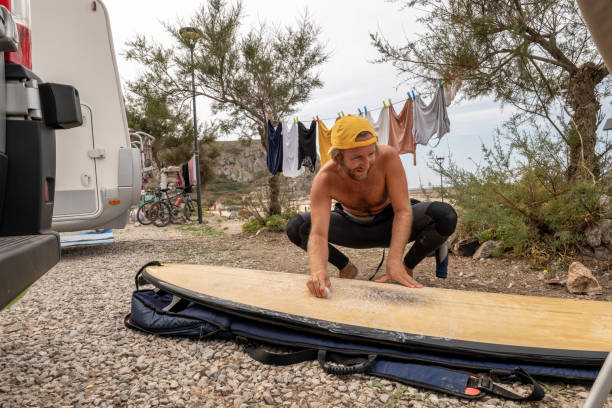
First rule: your ride is your castle. For a true budget mission, you are your own transport and accommodation. A self-converted van, a station wagon with a mattress in the back, or a cheap 4x4 you pick up locally—this is your mobile basecamp. It means freedom. Dawn patrol? You’re already in the car park. Wind switched onshore? You’re chasing the other side of the point before the crowd even packs up. The key is stealth and simplicity. Know where you can crash for the night, whether it’s a friendly beachfront, a designated camping spot, or a local’s driveway secured with a few respectful questions and a shared stoke.
Flights are the budget killer. Be flexible. Travel in the shoulder seasons—you’ll dodge the peak prices and the peak crowds. Think “green season” in the tropics; yeah, you might get a rainy afternoon, but you’ll also get glassy, empty barrels with no one on them. Use every flight search trick in the book, be willing to take the long route, and always, always pack light. One board bag, max. You’re a surfer, not a moving company. A good twin-fin or a versatile thruster can handle 90% of what you’ll find. The goal is mobility, not hauling a quiver for every conceivable condition.
Once you’re on the ground, live like a local. This is the heart of it. Ditch the tourist-trap restaurants. Hit the warung, the soda, the taco stand where the fishermen eat. Not only is it cheaper, but the food is legit, and that’s where you get the real beta. You’ll learn which banks are working, what the tides are doing, and maybe even score an invite to a spot that’s not in the guidebooks. Earning your stripes with respect goes a long way. Buy a local a beer or a coffee, share your water, pick up some litter in the car park. Good karma in the lineup is priceless currency.
Forget the fancy surf camps. Seek out the family-run guesthouses a few blocks back from the beachfront. A simple room with a fan, a shared bathroom, and maybe a porch to wax your boards is all you need. Your money stays in the community, and you get a real connection to the place. Better yet, link up with a crew. Splitting costs for fuel, food, and a cheap rental house with a few other frothers is the ultimate hack. More eyes on the charts, more stoke in the dawn patrol van, and way more budget-friendly.
At its core, budget surf travel is a mindset. It’s trading comfort for experience. It’s about the mission—the long, dusty drive that ends with a perfect sunset session, the bowl of noodles that fuels a full day of surfing, the camaraderie built over shared waves and cheap accommodations. It strips the sport back to its essentials: you, your board, and the ocean. You’re not paying for frills; you’re investing in time in the water. You’re chasing that feeling, not a five-star review. So pack your board, your sense of adventure, and a tight spreadsheet. The waves are waiting, and they don’t care how much your hotel costs. They just want to be ridden. Get out there.