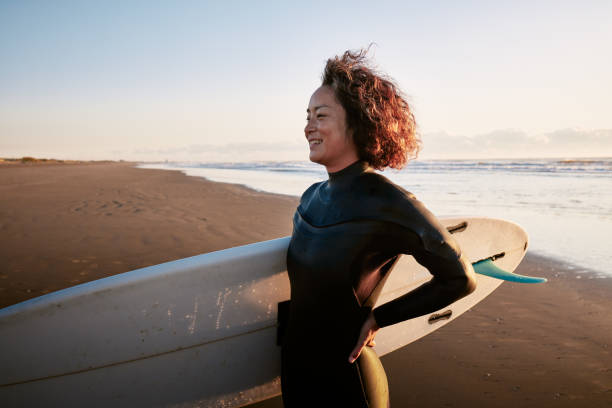
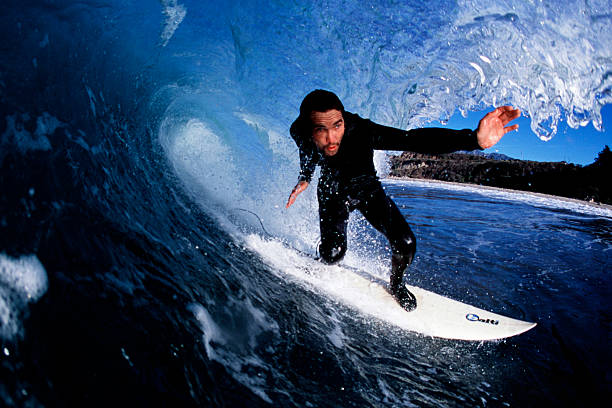
Forget the postcard. Real surf travel isn’t about snapping a shot of a perfect barrel and bouncing back to the resort. It’s about the full immersion, the kind that gets under your skin and changes your perspective. It’s the ultimate way to connect with a place, not just ride its waves. When you travel to surf, you’re signing up for a crash course in local culture, geography, and humanity, with the ocean as your classroom.
Think about it. To score good waves, you have to go where they are. And the best waves are often in places untouched by mass tourism. You’re not following the guidebook’s top ten list; you’re chasing swell charts and wind directions. This quest leads you down dusty roads to sleepy fishing villages, remote islands, and rugged coastlines where life moves to a different rhythm. You’re not a spectator behind a tour bus window. You’re in it. You’re waiting for the tide to turn with the old guys on the seawall, buying fish straight off the boat at dawn, and learning that “mañana” doesn’t always mean tomorrow—it means not today.
The lineup itself is a microcosm of the culture. Paddle out anywhere in the world and you’ll quickly learn the local pecking order, the unspoken rules, the vibe. In Japan, it’s a quiet, respectful order. In Brazil, it’s fiery, passionate, and communal. In Indonesia, a smile and a “selamat pagi” go a long way. You learn to read more than the swell; you learn to read people. You share moments of pure stoke with total strangers after a good set, communicating through hoots and gestures when you don’t share a language. That shared experience in the water breaks down barriers faster than any phrasebook ever could.
This immersion extends to the land. Your day revolves around the tides and wind, syncing you with the natural world in a way regular travel never does. You become an amateur meteorologist, geologist, and oceanographer. You learn which local market stall has the best pre-dawn coffee and post-surf nasi goreng. Your conversations start with, “How was it out there?“ and evolve into invitations for a family meal or a tip on a hidden temple up the coast. You stop being a tourist and become a temporary local, a surfer who’s there to appreciate more than just the point break.
And let’s talk about the journey—the Endless Summer dream of chasing the sun. It’s in those long drives, the boat trips, the hikes with your board under your arm. It’s the characters you meet: the ex-pat shaping boards in a backyard bay, the lifelong local who’s seen it all change, the other pilgrims on the same quest. You swap stories, share petrol costs, and become a tiny part of the global surfing tribe. Your equipment becomes a tool for connection, not just performance. That ding repair on your board? It happens at a local shop, with everyone weighing in on the best resin, turning a chore into a cultural exchange.
Ultimately, surfing travel strips everything back to essentials: sun, salt, movement, and human connection. It teaches respect—for the power of the ocean, for the communities that host you, and for the simple joy of being somewhere completely different, fully engaged. You don’t just leave with a better top-turn or a sick photo. You leave with the taste of local food, the sound of the local language, and the feeling of having truly lived in a corner of the world, not just passed through it. That’s the real score. The waves are just the beginning.