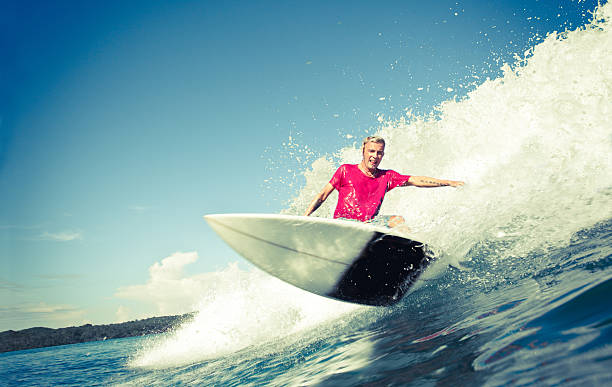
Let’s be real. The core of surfing is simple: you, your stick, and the ocean. For decades, the true surfari meant a beat-up van, questionable tacos, and sleeping in the dirt for first light on a secret point. It was, and still is, a beautiful, gritty pilgrimage. But there’s a new wave in surf travel, and it’s not for everyone—and that’s exactly the point. Welcome to the world of luxury surf retreats, where the only thing you’re chasing is the next perfect set, and everything else is handled.
This isn’t about selling out your soul. It’s about evolution. You’ve put in your time. You’ve logged the dawn patrols in a 4/3 in freezing water, you’ve navigated sketchy lineups where you didn’t speak the language, and you’ve earned the right to a different kind of score. A luxury surf retreat strips away all the friction of the classic surf trip. The mission remains pure—uncrowded waves, long sessions, and that feeling of being totally spent and stoked—but the path there is paved with comfort.
Imagine this: you wake up not to an alarm, but to the smell of locally roasted coffee. Your board, already waxed and tuned by a local shaper who knows the break, is waiting by a private transport. A former CT surfer, your guide for the week, reads the tide and wind like a book, getting you in the water exactly when it’s firing. You surf until your arms are noodles, then come back to a post-surf spread that’s more than just a protein bar—think fresh poke bowls, smoothies that actually taste good, and maybe even a cold brew waiting. This is the rhythm. Surf, recharge, repeat.
The locations are dialed. We’re not talking the packed lineups of a mainstream surf town. These retreats are often tucked away on private stretches of coast in Nicaragua, nestled in the jungles of Costa Rica, or perched on a remote island in Indonesia. Access might be by boat or a 4x4 track you’d never find on your own. The luxury isn’t just thread-count; it’s exclusivity. It’s having a left-hander all to yourself with a small crew who rip, but more importantly, understand the vibe. No drop-ins, no agro, just good energy and shared stoke.
And the gear? Forget lugging your quiver through three airports. High-end retreats often partner with brands, offering demo boards from names like Firewire, JS, or local legends—the right tool for the day’s conditions. Need a different fin setup? Done. Want to try a twinny on that playful reef? It’s there. It’s a surfer’s playground where experimentation is encouraged.
But the real luxury, the thing that keeps seasoned surfers coming back, is time. Your brain completely checks out from the daily grind. No planning meals, no fixing dings, no stressing about logistics. All that mental space usually taken up by trip admin is freed up. It goes back into the surf. You talk technique with your guide over dinner, analyze the morning’s footage, and fall asleep thinking about your bottom turn, not your inbox.
So, are luxury surf retreats the “Endless Summer” dream? In spirit, absolutely. They’re still about chasing the sun, finding perfect waves, and living the dream. The vehicle for the dream has just been upgraded. It’s for the surfer who has done the dirtbag journey and loved it, but now wants to focus solely on the glide. It’s trading the van for a villa, the canned beans for a chef, and uncertainty for the guaranteed good time. Because sometimes, the ultimate luxury is simply more time in the green room.