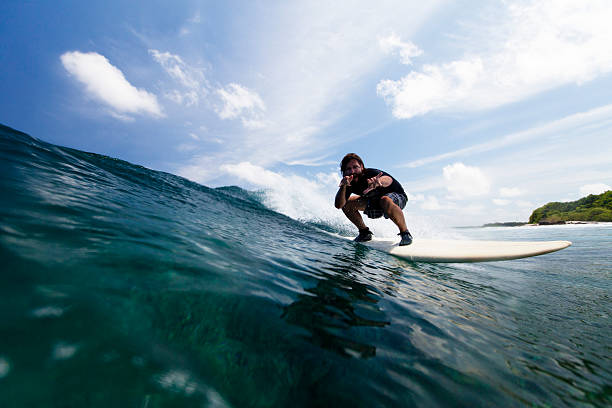
You paddle out at dawn, and the lineup tells a story. The water is cleaner than it has been in weeks, the offshore wind is glassing up a shoulder-high peak, and for a few moments, everything feels right in the world. This is the stoke we chase. This is the reason we sleep in vans, skip work for a south swell, and call the ocean our church. But if we really love this blue temple, we have to look at the footprint we leave in the sand. The surfing life is built on freedom, travel, and gear. Yet every board bag, every flight to Indo, every new wetsuit sheds a little more of the magic that drew us here in the first place. The waves are still pumping, but the ocean is sending us a message, and it’s time we listened.
Let’s talk about the quiver. That beautiful stack of polyurethane and fiberglass glistening in the garage is a guilty pleasure for most of us. Traditional surfboards are not kind to the planet. The foam is petroleum-based, the resin is toxic, and the shaping dust ends up in landfills or the air. The average shortboard takes decades to break down. That’s not a good look for a sport that preaches harmony with nature. The good news is that the industry is starting to wake up. More shapers are experimenting with recycled EPS foam, plant-based resins, and even cork and flax fibers. These boards surf differently, sometimes looser, sometimes with a different flex pattern, but they come with a cleaner conscience. Buying a board from a local shaper who uses sustainable materials is one of the best ways to reduce your personal impact. It supports craft over mass production, and it keeps the soul in the sport. Next time you order a stick, ask about the blank. The answer might change your whole approach to the lineup.
Then there is the rubber. Wetsuits are essentially neoprene, which is derived from limestone or petroleum, and they are notoriously hard to recycle. They shed microplastics every time you wash them, and they eventually end up in the very ocean you surf. But the surf industry is innovating here too. Brands are now using natural rubber from sustainable tree plantations, recycled nylon liners, and limestone-based neoprene that is less toxic to produce. Some companies even take back old suits for recycling into carpet padding or new wetsuit components. It is not perfect, but it is a step in the right direction. The real shift, though, comes from us. If you wax that three-mil for an extra season instead of buying a flashy new one, you have just kept a significant piece of plastic out of the marine ecosystem. That is a radical act in a culture that loves the next new thing.
But perhaps the biggest tension in the surfing life is the travel. The Endless Summer dream is real. We want to chase the sun, score empty reef passes in Indonesia, find that mystical left in the Mentawais, and camp on a beach in Costa Rica. The problem is that every flight from California to Bali burns about a ton of carbon dioxide per person. That is a heavy price for a wave. The hard truth is that the most sustainable surfer might be the one who learns to love their home break. There is plenty of stoke to be found in a chest-high wedge at your local beach on a Tuesday morning. You do not need a passport to experience the pure joy of a clean barrel. When you do travel, offset your flights, stay longer, travel overland when possible, and pack your own reusable kit so you are not buying single-use plastics in paradise. The localism that many of us roll our eyes at might actually be the most sustainable path forward. Love your local wave. Protect your local lineup. The rest is just icing on the cake.
Ultimately, this is not about guilt. It is about awareness. The surfing life is a gift, and the ocean gives us everything for free, the ride, the therapy, the connection. It is only fair that we give something back. That can be as simple as picking up three pieces of trash every time you leave the beach. It can mean choosing a recycled board for your next quiver. It can mean saying no to the plastic bag from the shop. It can mean supporting the local reef restoration project instead of just complaining about the crowds. The old surfers used to say, “The best surfer out there is the one having the most fun.” Maybe the best surfer out there is also the one who leaves the ocean cleaner than they found it. The swell is coming. The tide is rising. It is time for us to paddle out, yes, but also to paddle up and do our part. Keep surfing. Keep caring. The wave will still be there if we treat it right.