There’s a magic to planning a surf trip that goes deeper than just grabbing a board and a bag of sunscreen. You feel it in your bones when the charts start lighting up, when the long-range forecasts start whispering sweet nothings about a solid southwest groundswell building deep in the Indian Ocean. But knowing when to pull the trigger is the real art. It’s the difference between scoring empty, perfect barrels or sitting on a blown-out, crowded reef wondering why you didn’t wait another month. For the dreamer who lives for the endless summer, the Mentawai Islands sit right in the crosshairs of that dilemma. The best time to visit those hallowed, left-hand perfection machines is a question asked by every surfer who has ever stared at a map of Indonesia.
The Mentawais don’t have a bad season, but they have a perfect window. That window, the sweet spot where everything lines up from swell consistency to wind direction and even the vibe on the boats, runs from April through October. That’s the dry season, the time when the trade winds settle into a consistent pattern that keeps the offshore flow pumping over the west-facing reefs. Think about it. You’re paddling out at a spot like Macaronis or Lance’s Right, and the wind is kissing the face of the wave, holding it up clean and hollow. The water is warm, the sun is high, and the whole archipelago is breathing with life. That’s your target.
April is the opener. The swell season is just waking up. The big Southern Ocean storms that rattle the bottom of the globe haven’t quite hit their stride yet, but the early season brings a raw, untamed energy. The waves are a bit more forgiving, maybe a few feet smaller, but the crowds are thinner. You’ll find more open peaks and a feeling like you’re getting in on the ground floor of something special. It’s a good time for the traveler easing into the tropical rhythm, getting their sea legs back after a long winter.
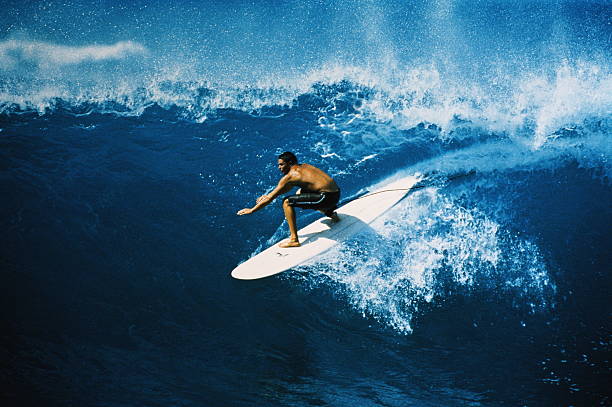
Then comes the meat of the season. June, July, and August are the heavy hitters. This is when the Mentawais are firing on all cylinders. The swell direction is consistently southwest, which lights up every reef from the north end of Sipora down to the south of Pagai. You’re talking consistent six-to-ten-foot days with the occasional pulse that pushes overhead and beyond. The trades are locked in, blowing offshore from the southeast, grooming every wave into a perfect, glassy wall. This is the time to come if you want the biggest, most challenging waves of your life. It’s also the busiest. Every surf charter boat is booked out, and the camps are full. You’ll see more sets being shared, more patience required in the lineup. But the trade-off is that you’re surfing the best waves on the planet at their absolute peak. You paddle out at a spot like Kandui or HTs, and you’re not just surfing; you’re participating in a rite of passage.
September and October are the secret handshake of the season. The swell starts to mellow out again, but it’s still pumping enough to keep the reefs working. The winds, however, can get a bit fluky. Some days the offshore breeze holds, but you might get a light onshore puff in the late afternoon. The crowds thin out as the high season travelers head home. The boats are more negotiable, the lineups more relaxed. You can score clean, empty waves if you’re willing to time the swell charts and put in a little effort. The water is still bath-warm, the tropical sun still fierce. It’s a quieter, more contemplative surf trip. You’re not fighting for every set; you’re just flowing with the ocean.
The monsoon shifts happen in the shoulder months of November through March, and that’s a different beast entirely. The wind switches around to the northwest, killing the offshore flow on the classic west-facing spots. The swell direction changes too, bringing more northwesterly energy. You can still catch waves, but it’s a gamble. Some of the east-facing breaks light up, but the consistency drops off. The whole vibe gets more humid and prone to squalls. That’s not to say you can’t have a magical session in the wet season, but you’re rolling the dice with mother nature in a way that the dry season traveler doesn’t have to.
So, when do you go? If you crave the raw power of the earth at its peak, if you want to test your limits against the best waves in the world and you don’t mind sharing the peak with a handful of other dedicated souls, lock in June, July, or August. If you want the waves to be a little more user-friendly, the travel to feel less like a mission and more like a discovery, aim for April or May, or that golden window in September and October. The best time to visit the Mentawais is the time that matches your own wave. It’s about lining up your personal calendar with the ocean’s pulse. The swell is always out there, waiting. The trick is to be there when it arrives. So check the charts, feel the wind, and go. The barrel is calling.