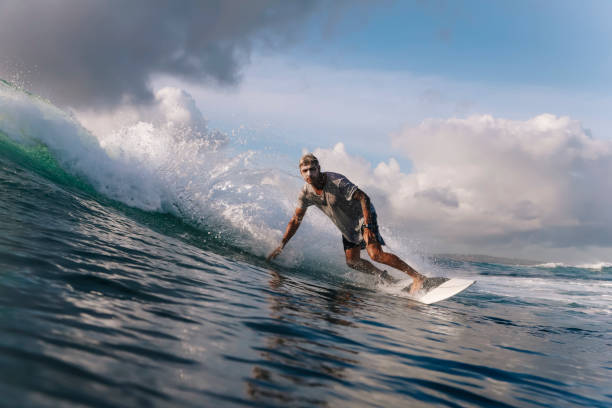
Let’s cut straight to the chase. Dreaming about that perfect, empty lineup with warm water and offshore winds is one thing. Actually making it happen without a total logistical nightmare is another. Planning a surf trip isn’t just about booking a flight to somewhere with a coastline. It’s about syncing with the ocean’s rhythm, respecting the local vibe, and making sure you’re not just staring at flat lake for a week. So grab your boardbag and your sense of adventure; here’s the straight talk on crafting a proper surf mission.
First up, you gotta answer the big question: what are you after? Are you a frothing grommet looking to get pitted in heavy reef barrels, or are you more about long, cruisy point breaks where you can find your flow? Your skill level and wave preference dictate everything. Don’t be the kook who books a trip to Pipeline because it looks cool in videos if you’re still working on your bottom turn. Be honest with yourself. A trip to a mellow beach break with consistent waves will always beat getting skunked or scared out of your mind at a heavy, expert-only spot. Research the breaks at your potential destinations. Understand the seasonal swell windows, the prevailing wind patterns, and what the crowd factor is like. There’s no worse feeling than finally arriving to find a zoo of 200 surfers on the one working peak.
Timing is everything in this game. You’re chasing swells, not just sunshine. That tropical paradise might have postcard-perfect weather in their dry season, but it could also be dead flat. Conversely, the rainy season might bring the goods with consistent south swells and morning offshores. Dive into surf forecasts and historical data. Sites with detailed charts and cam archives are your best friend. Think like a hunter; you’re tracking the swell. Flexibility is your greatest asset. If you can, give yourself a wide travel window or be ready to pivot to a different coast if the forecast calls for it. The most successful surf trips have a plan but aren’t slaves to it.
Now, let’s talk gear. This is where many a dream trip turns into a stress-fest. Your quiver choice is critical. Are you bringing one magic board and praying it works, or are you stuffing three sticks into a coffin bag? Consider the wave range. A good hybrid shortboard and a step-up for bigger days is a classic travel combo. Don’t forget the essentials that can be impossible to find or crazy expensive abroad: a proven leash, a backup set of fins with the right screws, wax, a solid repair kit, and your favorite traction pad. And for the love of all that is holy, pack your valuables—your boardies, wettie, and passport—in your carry-on. Airlines losing your luggage is a common horror story; don’t let it be yours.
But here’s the real secret sauce, the thing that separates a good trip from a legendary one: respect. You are a visitor in someone else’s ocean. The local surfers have been riding these waves their whole lives. Don’t paddle out like you own the place. Observe the lineup, understand the pecking order, and wait your turn. A few friendly nods and a humble attitude go a long way. Support the local economy—get your food from the town soda, rent a room from a family, maybe hire a local guide for the first session to show you the ropes. This isn’t just about good karma; it’s about being a part of the global surf tribe. The stories you’ll bring home won’t just be about the epic barrels you snagged, but about the people you met and the respect you earned.
So there you have it. Do your homework, time it right, pack smart, and show respect. The world is full of incredible waves waiting to be ridden, from undiscovered beachies to legendary points. It’s about the journey, the saltwater in your hair, and the stoke of finding new waves. Now go check the charts, the swell is always pumping somewhere. Your endless summer awaits.