Level Up Your Surfing: Why a Surf Camp is Your Fastest Ticket to Better Waves

Let’s be real. We’ve all been there. Paddling out session after session, feeling stuck in a rut, watching other surfers effortlessly link turns while you’re still wrestling with your pop-up. You’re hungry for progression, but between work, life, and trying to decipher the forecast, it’s hard to find the time and focus. If this sounds familiar, it might be time to consider the ultimate game-changer: a dedicated surf camp. This isn’t just a vacation; it’s an immersive boot camp for your surfing soul, designed to fast-track your skills in a way that sporadic dawn patrols simply can’t match.

Think of a surf camp as your personal portal to the Endless Summer lifestyle, condensed into a week or two of pure, unadulterated surf immersion. You’re not just dropping in for a quick session; you’re living and breathing the rhythm of the ocean. The core magic lies in structured, professional coaching. Instead of guessing what you’re doing wrong, a good coach will break down your technique on the beach, film your waves, and give you specific, actionable feedback. They’ll diagnose that wonky bottom turn, fix your paddle technique so you stop burning all your energy before you even catch a wave, and finally explain the mechanics of generating speed down the line. It’s about moving beyond just standing up and into the realm of actual surfing.

But it’s not all drill sergeant vibes. The real beauty is the environment. You’re planted right in the heart of a surf zone, often chasing consistent, beginner or intermediate-friendly breaks. No more driving for hours only to find flat spells or blown-out conditions. The camp handles the logistics—knowing the right tide, the right sandbar, the right time to go. Your only job is to suit up and paddle out. This consistent, repetitive practice in quality waves is irreplaceable. Muscle memory kicks in, and movements that felt awkward start to become second nature.

Then there’s the crew. You’re surrounded by a tribe of frothing surfers at a similar level, all sharing the same goal. The stoke is contagious. You’ll push each other, cheer each other on, and share stories over post-surf pupus. This community aspect is a massive part of the surf camp experience, forging connections that often last long after the trip ends. You’ll learn just as much from watching your new buddies as you will from the coaches.

Beyond the lineup, a great surf camp deepens your ocean knowledge. You’ll get the lowdown on reading surf forecasts, understanding swell direction and period, and identifying rips and currents. You’ll geek out on equipment, maybe demo different boards to find what really works for you, moving beyond the generic foamie. It’s a total immersion in surf culture and savvy.

So, if you’re feeling stagnant in your local break, dreaming of warmer water and longer rides, a surf camp is the no-nonsense answer. It’s an investment in your progression, stripping away the distractions of daily life and replacing them with waves, coaching, and a solid crew. You’ll return home not just with a tan and some good stories, but with fundamentally better technique, more confidence in the water, and a renewed fire for the sport. It’s the quickest way to stop just catching waves and start truly surfing them. Time to pack the boardbag and commit to the glide.
Related Posts

Live Surf Cams

Surfline Live is a 24/7 glimpse into the world’s surf.

This stream moves through Surfline's global camera network, showing spots where it’s daylight and rated Fair or better.

What's The Deal With...?

Surf History & Legends

How do female shapers influence the craft of board building?

They bring a fresh, intuitive perspective to the shaping bay. Shapers like Danielle Burt, Ashley Lloyd, and Grainne McNamara aren’t just replicating templates; they’re engineering boards from the ground up for a diverse range of surfers. They focus on nuanced details like flex, volume distribution, and rail shapes that cater to different styles and physiques. Their work ensures that getting a magic board isn’t a one-size-fits-all deal, but a personalized experience for maximum stoke.

Why did boards get so short in the late ’60s?

It was all about radical performance! Surfers wanted to rip harder, turn tighter, and fit deeper in the pocket. Inspired by Aussies and fueled by new materials, shapers like Dick Brewer and Bob McTavish started chopping down those classic long logs. The “shortboard revolution” gave us high-speed, vertical surfing. These new sticks were often under 7 feet, with pulled-in noses and multiple fins, allowing for the explosive, power-surfing we associate with modern pros. It was a total mindset shift.

Why are cold-water breaks like Iceland getting more attention?

It’s the modern search for empty lineups and pure adventure. With better wetsuit tech, surfers are chasing swells to the ends of the earth. Spots in Iceland, Norway, or Canada offer stunning, uncrowded waves in dramatic, icy settings. It’s a different kind of stoke—trading board shorts for a 6mm steamer, surfing under the midnight sun, and earning your waves with a dose of hardcore exploration.

Mastering the Waves

How Do I Choose the Right Wax?

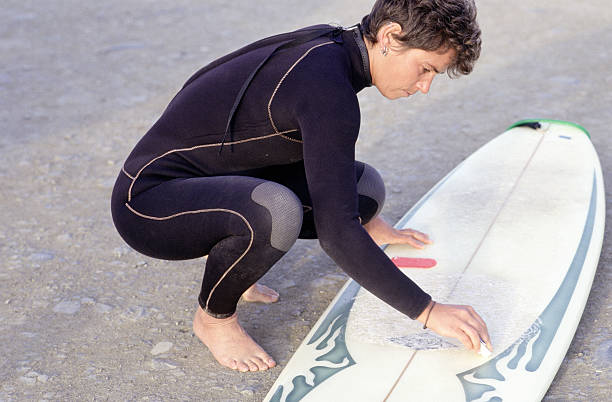
Wax creates traction so you don’t slip off. It’s all about water temperature. Cold water wax is super sticky for frigid temps. Cool water is for most winter sessions. Warm and tropical are for those balmy summer days. Using the wrong type makes it either too hard or melts into a slick mess. Start with a basecoat for a good foundation, then add a topcoat. Give it a fresh rub before each session for maximum grip under your feet.

How should I position myself on my board for the best paddle power?

It’s all about trim, bro. You want your board flat on the water—not nose-diving (too far forward) or tail-dragging (too far back). Find that sweet spot where the nose is just skimming the surface. Your chest should be up, arching your back slightly to engage your core. This position reduces drag and lets you use your bigger back and shoulder muscles for power, turning your board into a wave-seeking missile instead of a bobbing cork.

Why is the bottom turn so crucial for advanced maneuvers?

The bottom turn is your launch pad for everything! It’s where you generate all your speed and set your line for whatever’s next. A weak bottom turn means a weak carve or a lame air. A powerful, committed bottom turn stores energy like a spring. It directs your momentum up the face toward the lip for an air or across the wave for a carve. No good turn or air ever started with a bad bottom turn. It’s the foundation of every radical maneuver.