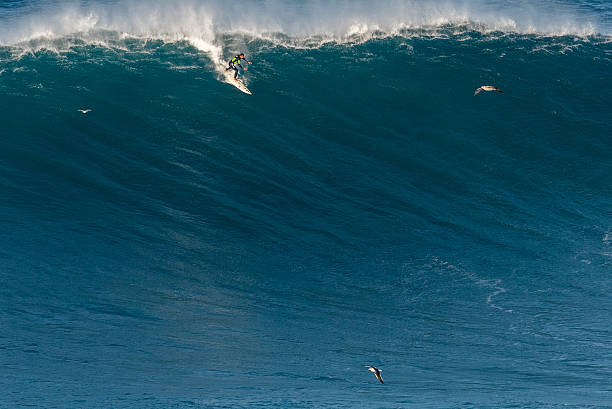
Let’s cut straight to the chase. You’ve got the stoke, you’ve got the board, and you’re dreaming of that perfect, glassy wall. But showing up to a legendary break when it’s flat as a lake or blown out by howling onshores is a surefire way to turn a dream trip into a bummer. Timing isn’t everything in surfing—it’s the only thing when it comes to travel. This ain’t about luck; it’s about reading the planetary rhythms and syncing your watch with the ocean’s clock.
First rule of the road: understand swell windows. Every coast on this blue planet faces a specific direction, and it only lights up when the swell is coming from the right quadrant. Planning a trip to Indonesia’s dry season? You’re banking on the relentless south swells generated by winter storms deep in the Southern Ocean. Dreaming of pumping Puerto Escondido? You need the potent hurricane swells or southwesterly pulses of the late summer. It’s a simple equation: right season + right swell direction = potential for epicness. Showing up in Costa Rica expecting overhead Pacific swell in September is like expecting a snowstorm in the tropics—it just doesn’t compute.
But a good swell window is only half the story. The other critical player is the wind. You can have all the swell in the world, but if it’s accompanied by a raging onshore wind, you’re in for a choppy, frustrating session. This is where the magic of trade winds and local wind patterns comes in. Most tropical destinations have a predictable diurnal pattern—glass-off conditions in the early morning, light offshore or sideshore winds, then the trades kick in by mid-morning. The savvy surfer is the one in the water at dawn, scoring clean lines before the crowd even rubs the sleep from their eyes. Places like the Mentawais or Fiji are legendary precisely because the trades blow sideshore, grooming the swell into perfect, mechanical walls instead of ruining it.
Then there’s the crowd factor, which is inextricably linked to timing. The Northern Hemisphere’s summer vacation months—June through August—mean packed lineups from California to Hossegor. If you can swing it, targeting the shoulder seasons is the local’s secret. Think early fall or late spring. The water might be a touch cooler, and the swell might be less consistent, but the chances of having a peak to yourself increase tenfold. Similarly, chasing that Endless Summer dream means understanding the flip-flop of seasons. When it’s flat and frozen up north, it’s firing down south. Your winter is Chile’s summer, and that south swell magnet is humming.
Don’t sleep on tide charts, either. A break can be a world-class barrel at low tide and a dangerous, surging closeout at high tide, or vice versa. A reef pass might only work on a pushing tide. This is local knowledge gold, and a bit of research or a friendly chat with a shop owner can unlock it. Pair the right tide with the incoming swell and favorable wind, and you’ve hit the trifecta.
Ultimately, scoring on a surf trip is about respectful alignment. It’s aligning your dates with the ocean’s natural cycles, not just your vacation calendar. It means doing the homework, reading the forecasts, and understanding that the ocean doesn’t run on human time. It’s about patience, flexibility, and having a quiver of options on a coast so you can pivot when the wind switches. Get the timing right, and you’re not just visiting a surf spot; you’re having a conversation with it. You’re there when it’s speaking its best language, ready to get a few words in edgewise between set waves. So study the maps, watch the charts, and time your strike. The perfect wave is out there, waiting for you to show up at the right moment.