Surf Technique Deep Dive

Live Surf Cams

Surfline Live is a 24/7 glimpse into the world’s surf.

This stream moves through Surfline's global camera network, showing spots where it’s daylight and rated Fair or better.

What's The Deal With...?

Legendary Surf Spots

How do you handle the crowd at a spot like First Point?

Patience and respect are key. The peak can be a zoo, so it’s about picking your spot and not dropping in. Sometimes, sitting further inside and picking off the reform can score you fun waves without the hassle. Understand the pecking order; locals and seasoned regulars have it dialed. A friendly attitude goes a long way. Or, just dawn patrol it—the early crew often gets the cleanest waves and the chillest vibe before the summer masses roll in.

How do I respect the local community and environment?

This is huge. Always pack out your trash—leave zero trace. Support the local businesses, eat at the family-run taco stands, and be cool to everyone. Water is precious down there, so keep those showers short. When driving on dirt roads, go slow to avoid dust and respect any private property signs. We’re guests in their backyard. Keeping the place clean and showing respect ensures this slice of paradise stays epic for the locals and surf pilgrims for years to come.

When is the prime time to score good waves there?

Summer and early fall are magic. Southern Hemisphere swells light it up, and the prevailing offshore winds (the famous “Malibu airflow”) kick in in the afternoon, grooming the surface to glassy perfection. Swell direction is crucial; you want a solid south or southwest swell to wrap into the cove. Winter can have its days with west swells, but it’s less consistent. Honestly, a sunny summer afternoon with a south swell is the iconic Malibu experience.

Surf Lingo & Slang

What’s the difference between a mushy wave and a hollow one?

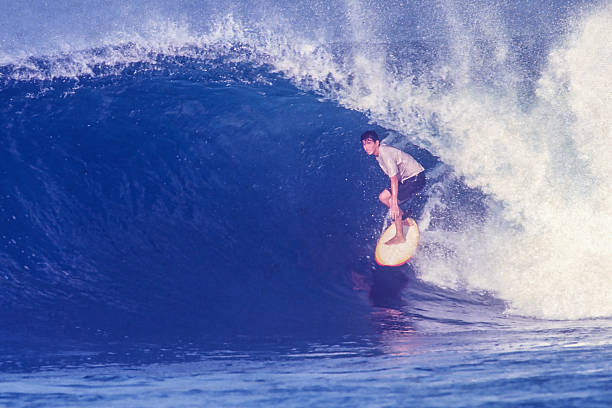
Mushy waves are slow, crumbly, and lack power, often from a weak swell or a gently sloping bottom. They’re great for beginners on longboards. Hollow waves, or barrels, are the dream—steep, fast, and with a pitching lip that creates a tube. They come from powerful swells hitting a steep reef or sandbar. Mushy is for cruisy turns; hollow is for getting shacked. You need different boards for each, and a whole different mindset when the waves start throwing.

How do I choose the right board for a reef vs. beach break?

For a punchy, hollow reef, you often want more board under you—a step-up or good-wave shortboard with extra paddle power and hold to get in early and handle the speed. For a softer, crumbly beach break, you can go with a more forgiving, wider, and maybe slightly thicker board to help generate speed in weaker sections. It’s about matching the tool to the wave’s power. Always error on the side of caution at a reef; you want confidence paddling into those set waves.

How does swell direction affect my local break?

Every break has a favorite swell direction. A beach with a south-facing cove will light up with a south swell but be flat on a west swell. It’s about how the energy wraps into the coastline and interacts with the underwater terrain. A “direct hit” from the right swell direction means more size and power. Checking the swell angle on the forecast is crucial. You might drive past your usual spot to chase a swell that’s hitting a different angle somewhere else.