Forget just paddling out and chasing the first bump you see. That’s a quick ticket to getting caught inside, winded, and watching the real session happen without you. The true difference between a kook and someone who knows what they’re doing isn’t just the bottom turn; it’s what happens before they even stand up. It’s all about wave set awareness. This isn’t some mystical sixth sense—it’s a practical, learnable skill that’s the bedrock of smart surfing.
So, what’s a set? It’s the ocean’s rhythm. Waves don’t just roll in randomly; they come in groups, or sets, with a lull of smaller waves in between. The biggest waves are usually in the middle of the set. Missing this pattern means you’re surfing blind. You’ll be the one desperately scratching over a building wall of water while the crew on the shoulder just nods and lets it roll through, knowing the good ones are right behind it. Reading these sets is about understanding the pulse of the ocean on that particular day, at that particular spot.
It starts before your feet even get wet. Park the car, grab your board, and just watch. Don’t just stare blankly. Count. How many waves are in a set? Three? Five? Seven? How long is the lull between sets? A minute? Three minutes? What’s the interval—the time between wave peaks in the open ocean? A longer interval (like 17 seconds) usually means more powerful, well-defined waves. A short interval is often choppy and weak. This five-minute scout session gives you the cheat sheet. You’re not just seeing waves; you’re learning the timing.
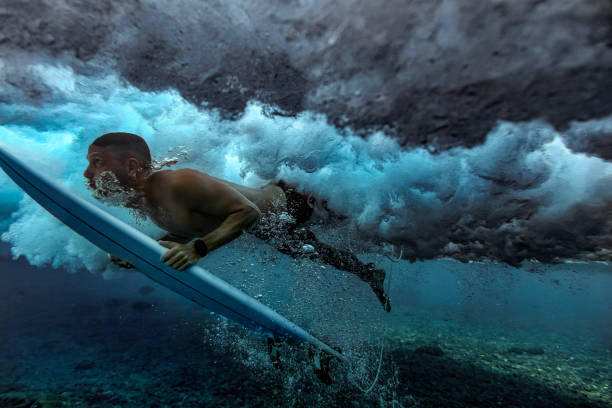
Now you paddle out, and the real-time application begins. Your position in the lineup isn’t static. It’s a dance based on what you observed from the beach. See a set looming on the horizon? Don’t panic and paddle straight out. That’s a battle you’ll lose. The key is to paddle around the impact zone, towards the channel or a shoulder, or if you’re caught, to dive deep and early. After a punishing set rolls through, that’s your golden window. The ocean is taking a breath. That’s the moment to punch through the inside and get to the lineup without wasting all your energy.
Once you’re out back, the game becomes strategic positioning. The crowd is antsy after a lull. The first wave of the new set might be the smallest. The experienced surfer might let it go, sliding slightly further inside or outside to be in the perfect spot for waves two or three, which are often the juiciest. This is called “letting the set develop.” It’s about patience and trusting your read. You’re not just reacting; you’re anticipating.
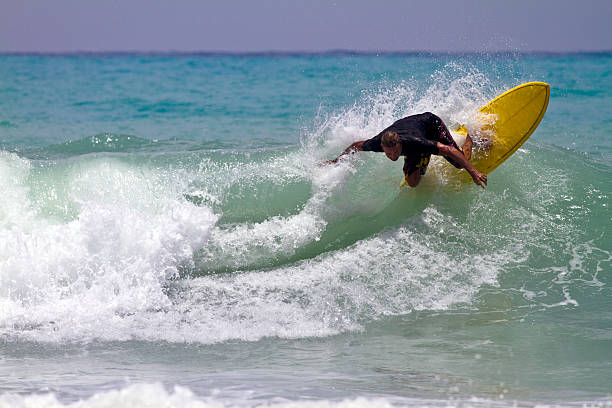
This awareness also dictates which wave you take and how you ride it. Knowing another, potentially bigger wave is right behind you changes everything. It means you might opt for a speedy down-the-line run instead of a slow, carving turn in the pocket. It tells you when to kick out early to avoid getting cleaned up by the next monster in the set. You’re surfing not just the wave under your feet, but the entire energy pattern of the ocean.
Mastering wave set awareness turns surfing from a chaotic workout into a flowing, strategic dance. It conserves your energy, gets you better waves, and keeps you safe. It’s the ultimate sign of respect for the ocean—you’re not just taking from it; you’re listening to it. So next time, don’t just rush out. Watch, count, learn the rhythm. Then paddle out and sync your soul to the set. That’s when you really start surfing.