The Art of the Bottom Turn: The Foundation of Every Great Ride

Forget the airs, the barrels, the fancy cutbacks you see in the clips. If you want to talk real surfing, you gotta start at the bottom. Literally. The bottom turn isn’t just a move; it’s the alpha and omega, the first word and the last word in setting up your entire ride. It’s the moment you stop falling down the face and start surfing across it. Mess this up, and your wave is over before it begins. Nail it, and the whole ocean opens up.

So, what is it? After you’ve paddled, popped up, and are angling down the line, you hit the flats. This is the critical zone. The bottom turn is the powerful, intentional carve you make at the base of the wave to redirect all that downward energy into forward, horizontal speed. It’s your launch pad. Without a solid bottom turn, you’ll be a passive passenger, sliding aimlessly along the shoulder. With it, you become the pilot.

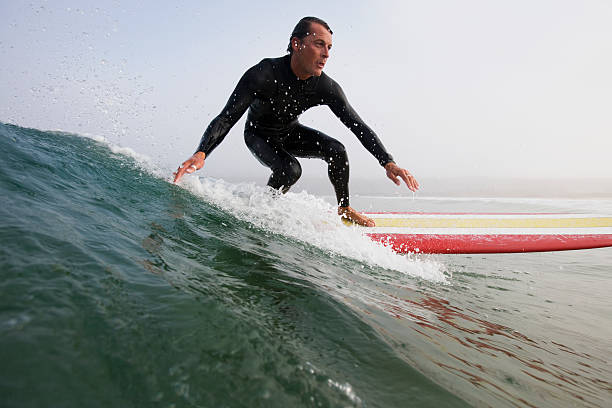
The setup starts even before your feet hit the wax. It’s about reading the wave. As you’re taking the drop, your eyes aren’t on your toes—they’re down the line, scoping the section you want to hit, identifying the pocket of power. Your brain is already calculating the turn. As you hit the trough, it’s go time. Compress your legs. Get low. This isn’t a timid little wiggle; you’re loading the spring. Your inside rail is your best friend here. Lean on it, drive your weight through your back foot—usually your heel for a forehand turn, your toe for backside—and initiate the carve from your core.

Think of it like drawing a powerful, sweeping line on the wall of the wave. You’re not just turning to go straight; you’re projecting yourself down the line, building momentum with every inch of the arc. A weak turn gives you weak speed. A deep, committed bottom turn, where you really lean into the rail and feel the water grip, generates the thrust you need to make the next section, set up for a snap, or race into a pitching barrel. It’s physics, pure and simple. You’re exchanging the wave’s vertical energy for your horizontal velocity.

And here’s the real secret: the bottom turn dictates everything that follows. The angle of your bottom turn sets the line for your entire ride. A late, steep drop might require a tight, aggressive bottom turn to avoid getting caught behind the section. A softer, mushier wave might need a wider, more drawn-out turn to generate enough speed to get going. Want to smash the lip? Your bottom turn needs to be vertical and explosive, projecting you up the face. Dreaming of a deep tube? Your bottom turn needs to be smooth and high, setting a high line right under the curl.

It’s the difference between reacting and responding. A kook reacts to the wave, flailing to stay ahead of the whitewater. A surfer responds to the wave, using the bottom turn as a conversation starter. It says, “Okay, I see you. Now watch this.” It’s the foundational grammar of surfing language. Every cutback, floater, and air reverse is just a punctuation mark in a sentence that began with that first, critical turn at the bottom.

So next time you’re out there, chasing that endless summer feeling, don’t just focus on the fancy stuff. Master the basics. Spend a session just working on your bottom turns. Feel the rail engage, watch where you project, and see how the wave opens up for you. Because in surfing, as in life, it’s all about how you set up your ride. Get the bottom turn right, and the rest is just style.
Related Posts

Live Surf Cams

Surfline Live is a 24/7 glimpse into the world’s surf.

This stream moves through Surfline's global camera network, showing spots where it’s daylight and rated Fair or better.

What's The Deal With...?

Legendary Surf Spots

What’s the history behind J-Bay’s discovery?

The legend starts in the 60s. While the GQ crew were doing the Endless Summer thing, they missed it! It was actually a few pioneering South African surfers, like John Whitmore and Gary Koopman, who first paddled out and discovered the perfection in the late 60s. Word spread like wildfire after a surf movie featured it. By the 70s, it was on the global map. The first contest was in 1977, cementing its status. It grew from a remote secret to a must-surf destination that defines high-performance pointbreak surfing.

Are there surf camps or should I go DIY?

Surf camps and charters are highly recommended, especially for your first mission. They have the local knowledge, boats, and logistics dialed to get you to the best waves with the tide and wind. Going totally DIY is a serious challenge due to the remoteness, difficult access, and need for local guidance. A good camp provides not just waves but safety, camaraderie, and a base in the wilderness. It lets you focus purely on surfing while they handle the rest.

What else is there to do when the surf goes flat?

No stress! The Dingle Peninsula is an adventure playground. Hike Mount Brandon for insane views, explore the Slea Head Drive, or visit the ancient Gallarus Oratory. Hit the Fungie statue (RIP legend) and maybe spot his dolphin pals on a boat tour. The local music scene is world-class—find a trad session in a pub any night. Check out the countless archaeological sites, or just cozy up with a book by a turf fire. A flat day here is just an invitation to explore the magic on land.

Surf Lifestyle & Travel

What’s the deal with crocodiles and other wildlife in the lineup?

Yeah, you might see some salty crocs in river mouths and estuaries—so don’t surf near them! Stick to well-known breaks and listen to locals. You’re more likely to see turtles, dolphins, and rays, which is epic. On land, watch for monkeys stealing your snacks and iguanas sunbathing. It’s their home, we’re just visiting. Use common sense, don’t leave food out, and enjoy the fact you’re surfing in a jungle paradise. It’s part of the wild charm that makes Costa Rica so special.

How does J-Bay fit into surfing’s history and culture?

J-Bay is hallowed ground. Its global fame exploded after being featured in The Endless Summer, showcasing a perfect wave many dreamers didn’t believe was real. It became a pilgrimage site, a staple on the World Tour, and the stage for iconic performances by legends like Shaun Tomson and Kelly Slater. It represents the pursuit of the perfect, endless ride and is a cornerstone of surf travel culture—a must-surf destination that connects every generation to the soul of the sport.

How do I balance the surf with the craic?

It’s the perfect combo! The rhythm is simple: dawn patrol, followed by a full Irish breakfast. Maybe another session, then explore ancient ruins or epic coastal walks. Evenings are for the craic—live music in a trad pub, swapping stories with salty locals, and planning the next day’s mission. The Irish surf trip is as much about the warm land culture as the cold water stoke. It’s a total immersion, not just a surf check.