In the endless dance between surfer and wave, there are moments of pure, unadulterated flow, and then there are moments of punctuation. The cutback is that punctuation. It’s the exclamation point, the semicolon, the decisive shift in the narrative of your ride. It’s not just a turn; it’s a statement. It’s the move that says you’re not just running away from the whitewater, you’re engaging with the entire canvas of the wave. Forget just trimming down the line. Mastering the cutback is about changing direction with power, purpose, and a whole lot of style.
Think of it like this: you’ve taken off, you’ve made the drop, and you’re flying down the line, the section ahead starting to race away from you. The wave is threatening to turn into a closeout, or maybe you’re just getting too far ahead of the pocket—the sweet spot where the wave has the most energy. This is the cutback’s call to arms. It’s your tool to get back to that power source. You’re not abandoning the wave; you’re reconnecting with its heart. A proper cutback is a powerful, carving turn that takes you from racing along the shoulder back up towards the curling lip or the critical section of the wave. It’s a redirection of momentum, a way to reset and set up for your next maneuver, whether that’s a re-entry, a floater, or just setting a new line.
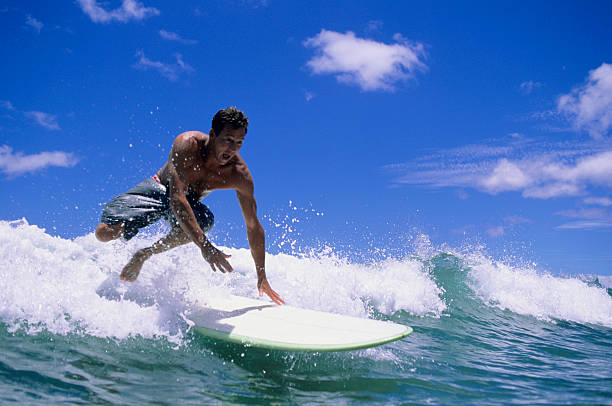
So, how do you throw one down with authority? It starts way before you even think about turning. You need speed. You can’t carve a powerful arc if you’re bogging in the flats. Generate that momentum by pumping down the line, feeling the wave push you. As you approach the section you want to hit, your eyes and head lead the charge. Look back up towards the top of the wave, towards where you want to go. Your body will follow. Initiate the turn by compressing your legs and really driving your inside rail—the rail facing the wave—into the face. This isn’t a skidded, tail-slide turn. This is about rail-to-water connection. Drive off your back foot, engage that rail, and let the board carve a tight, clean arc.
The magic happens in the middle of the turn. This is where style separates the kooks from the craftsmen. A rushed, jerky cutback looks desperate. A smooth, committed one looks effortless. Keep your body low and centered over your board as you carve through the bottom of the turn. Don’t just stand up and watch it happen; feel the G-force and guide the board around. Then, as you complete the arc and start heading back up towards the pocket, extend your legs, absorb the energy of the wave face, and spot your exit. The finish is crucial. You want to come out of the cutback with your speed maintained or even accelerated, ready for whatever the wave serves up next. A weak finish where you lose all momentum means you’ve just parked yourself in the flats. A strong one sets you up for the next section, linking your ride together in a fluid sequence.
From the classic, soul-arching arcs of a longboarder like Joel Tudor to the explosive, vertical snaps of a CT pro, the cutback is the universal language of style. It’s the move that turns a straight-line sprint into a conversation with the wave. It’s the foundational maneuver that every other advanced trick is built upon. Without a solid cutback, your surfing stays one-dimensional. With it, you unlock the wave’s full potential. So next session, don’t just run for the shoulder. Listen to the wave. Feel the rhythm slow, then set your line back to the power. Dig that rail in, commit to the carve, and change your direction with style. That’s where the real ride begins.