Solo Surf Travel Tips

Live Surf Cams

Surfline Live is a 24/7 glimpse into the world’s surf.

This stream moves through Surfline’s global camera network, showing spots where it’s daylight and rated Fair or better.

What’s The Deal With…?

Surf Travel Adventures

Embrace the adventure! Flat days are for exploring—rent a moto, hike to a viewpoint, or just chill in a hammock with a good book. Use the time to maintain your gear, study the coastline for new spots, or practice pop-ups on the sand. Connect with the local culture beyond the surf; learn some phrases, try the food. The journey isn’t just about the waves, it’s about the whole experience. The swell will come.

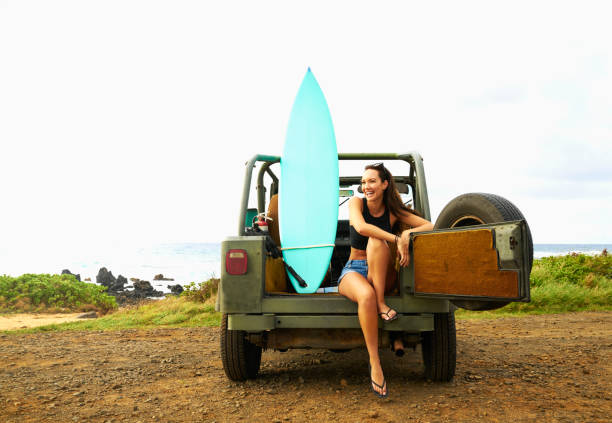
It’s a hassle, but doable. A good double or triple board bag with wheels is worth its weight. Pack clothes and soft gear around your sticks for padding. Know your airline’s fees and policies inside out—some are more surf-friendly than others. Consider renting a vehicle you can sleep in, turning your ride into a mobile board locker. Sometimes, shipping a board ahead via a specialized service is less stressful than airport carousels.

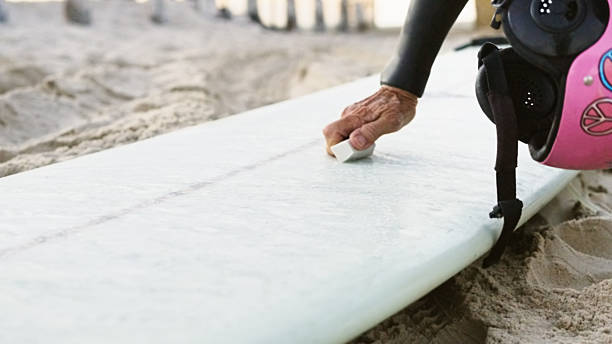
Beyond your stick and a solid travel bag, pack a mini repair kit (solarez, duct tape, fin key). A good, compact first-aid kit is non-negotiable. Bring multiple leashes and enough wax for the trip. Don’t forget a lightweight changing robe for beach parking lots. Most importantly, a positive attitude is your best gear—it’ll help you make friends, handle travel snafus, and appreciate those solo dawn patrols even more.

Surf Travel Adventures

The key is research and local stoke. Before you go, check reliable surf forecasts and cam sites. Once you land, skip the generic spots and head straight to the local surf shop. Buy a wax or a leash, chat with the shapers, and score the real beta. These cats know the hidden gems and the daily rhythm of the breaks. It’s about respecting the community and they’ll often point you to less crowded peaks perfect for a solo mission.

Proximity to the break is huge for dawn patrols. Look for places with secure board storage—a locked room or rack. A place with a kitchenette saves cash and lets you fuel up properly. Check if they have a rinse area for gear. Hostels are great for social vibes, but a private cabana or van camp might offer more flexibility. Read reviews from other surf travelers; they’ll mention the crucial details.

Always prioritize ocean smarts. Spend at least 20 minutes observing from the beach—check the rips, the crowd vibe, and the entry/exit points. Tell someone back at your hostel or camp where you’re paddling out. Consider surfing near a lifeguard station if possible. Trust your gut; if something feels off about the conditions or the locals are giving heavy vibes, it’s cool to sit it out. The ocean will always be there tomorrow.