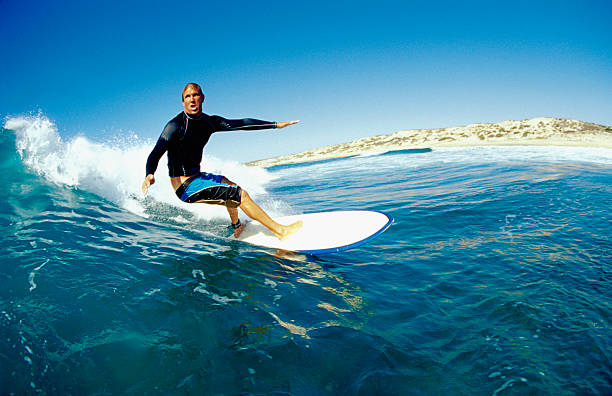
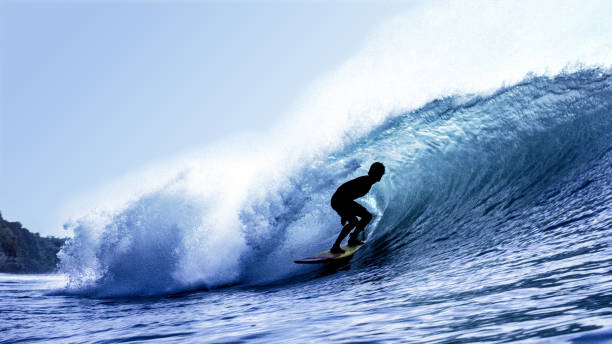
There’s a magic that happens when the whole crew is in the lineup together, bobbing like a pod of sea lions, grinning from ear to ear under the morning sun. A family sandbar isn’t just a place where the waves peel soft and forgiving—it’s a state of mind. It’s that stretch of coast where the outside set rolls in as a gentle swell, not a freight train. The water turns glassy in the late afternoon, and the only thing you hear is the hiss of foam and your own kid hollering “Woo-hoo!” as they drop in on their first green wave. Finding that spot is like discovering buried treasure, except the treasure is a shared moment that stays etched in your soul forever.
We’ve all heard the horror stories about crowded breaks with angry locals and waves that jack up out of nowhere. That’s not what you’re hunting for when you’ve got a grom on a foamie and a grandpa who still prefers a heavy longboard. You’re looking for the wave that breaks over sand, not reef or rock. A sandbar that has shifted just right, forming a gentle shoulder that crumbles and reforms, giving every family member a runway to practice their cross-step or their first cutback. The key is to read the ocean like a friend, not an adversary. Check the tide charts, peek at the swell direction, and ask the old-timers sipping coffee on the beach. They’ll point you to the inside corner where the wave lingers a little longer, the place where even a two-year-old can ride the whitewater on a boogie board while you shoot your last wave right beside them.
The real stoke of a family surf vacation isn’t about scoring the most hollow barrel or pulling into a freight-train tube. It’s about the party wave that comes when everyone paddles for the same left and somehow all make it—your sister on her mini-mal, your dad hanging ten, you on your fish, and your mom riding a borrowed soft-top with pure joy on her face. That’s the dream. That’s the moment you realize surfing isn’t just a solo sport; it’s a language your whole family can speak. And once you find that family sandbar, you’ll never want to leave.
But finding it takes a bit of instinct and a whole lot of patience. You’ve got to watch the swell intervals, not just the wave height. A long-period swell wrapping into a sheltered cove can turn a ordinary beach into a magical classroom. You want the wave that breaks with a soft, forgiving lip—not the scary, hollow kind that snaps like a whip. Look for the spots where the sandbars shift after a big storm, creating a new playground that nobody knows about yet. That’s the jackpot. That’s when you get the whole lineup to yourselves, a private arena for the family to trade rides and laughs. And don’t forget the golden rule of family surfing: the early dawn patrol is your best friend. The wind is offshore, the surface is like a mirror, and the sandbar is at its prime. Plus, you beat the afternoon crowd and the same-day choppy mess.
Then there’s the unsung hero of any family surf trip: the lunch break. After a solid morning session, when everyone’s arms are noodles and the smiles are stretched wide, you slog through the shore break, haul your boards over the dry sand, and crack open a cold coconut. The talk around the cooler is always the same—“Mom caught the longest ride of her life!” “I finally stood up on the yellow board!”—and that chatter is the heartbeat of a family sandbar. It’s not about the dozens of waves; it’s about the one wave that mattered, the one where granny got her second wind and rode all the way into the shallows.
The evening session is the cherry on top. As the sun begins to melt into the horizon, the sea turns to liquid gold. Your family paddles out one more time, riding the glassy faces that seem to smile back at you. The shore break is gentle now, and the lineup is empty except for your tribe. You look at your kid’s face, lit up with the pure, unfiltered stoke of a life spent chasing waves, and you know you’ve nailed it. That family sandbar isn’t just a place on a map—it’s a feeling you carry with you long after the tan fades. It’s the inside joke, the shared secret, the reason you’ll start planning next year’s trip before you’ve even unpacked the boards. So go find your sandbar, love the ocean, and let the waves bring your family closer than any group project ever could. That’s the good stuff. That’s the endless summer, shared with the people who matter most.