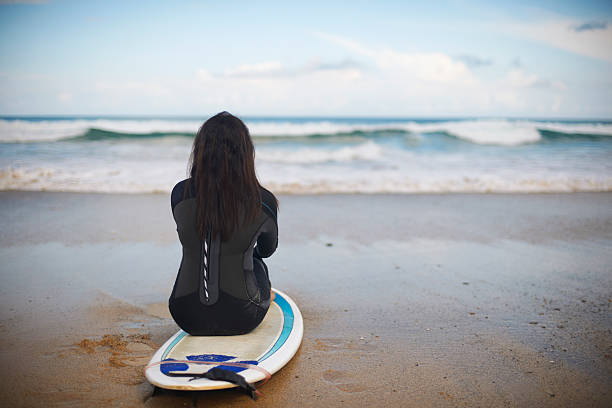
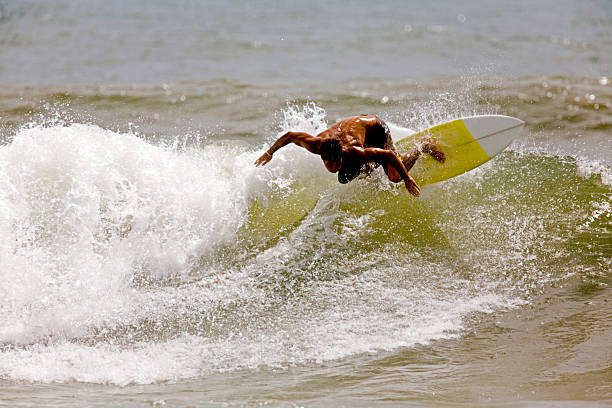
There comes a point in every surfer’s journey when the crew gets busy, the schedules don’t align, or you just get that itch that can only be scratched by paddling out into the unknown with only yourself to rely on. That’s the solo surf trip, and let me tell you, it’s a whole different kind of stoke. It’s not always easy, but it’s always worth it. You learn more about the ocean and yourself in a single solo dawn patrol than you might in a year of surfing with the same faces every weekend.
First off, the fear factor is real, but it’s also your greatest teacher. When you paddle out alone, especially at a new break, that little voice in your head gets loud. It’s asking about rips, reef hazards, and localism. Don’t ignore it, but don’t let it keep you on the beach. Spend a solid half-hour just watching the lineup. Count the sets, trace the current with your eyes, and see where everyone is sitting. Respect is currency in the water, and the easiest way to build it quickly is by not dropping in on anyone and by giving a friendly nod. A simple “how’s it goin’?” goes a long way. Most solo surfers are the friendliest cats in the rip because they’ve been where you are.
Logistics become your lifeline. You don’t have a buddy to grab an extra leash or a tube of wax, so you’ve gotta be your own caddy. Pack a quiver of one or two boards that you know like the back of your hand. This isn’t the time to test drive a new, shifty high-performance fish in a hollow reef. Stick with your go-to, the board that feels like an extension of your body. Travel light but smart. A basic repair kit with some resin and cloth, a spare fin key, and a towel that doubles as a pillow can save the day. And for the love of all that is sacred, always have a backup plan for food. A soggy banana and a bag of trail mix can fuel you through an epic afternoon session when the lunch truck is closed.
The social side of solo surfing is a beautiful paradox. You might start the day feeling alone, but you rarely stay that way. Strangers in the water become temporary soul brothers and sisters. I’ve shared some of the deepest conversations of my life with a random longboarder sitting next to me between sets, discussing the perfect peel of a wave and the meaning of life in the same breath. After the session, the best move is to hit the local surf shop or the taco stand near the beach. Ask the shop guys about the swell forecast for tomorrow. They respect the solo traveler who’s hungry for knowledge. You’ll get the beta on the secret sandbar that only works on a mid-tide drop, and that’s information you can’t find in any guidebook.
There’s also a specific kind of freedom in being completely untethered. You don’t have to negotiate when to paddle out or when to come in. If the wind shifts and makes the waves glassy and perfect, you can stay until your arms feel like overcooked noodles. If you eat it on a closeout and take a nasty one on the head, you can call it a day without feeling guilty about dragging someone else out of the water. You move on your own time, driven only by chasing the sun and the next good set.
Of course, it’s not all sunset barrels and peace. There will be lonely nights in a hostel where the Wi-Fi is out, and you’ll miss your friends back home. The swell might pump for three days straight, and you’ll have no one to high-five after the wave of the session. But that’s the trade-off. In those quiet moments, you find your own rhythm. You realize that the ocean doesn’t care if you’re alone or with a crowd. It just offers the same raw energy, waiting for you to paddle into it. And when you finally ride that long, walled-up right-hander with only the sound of water peeling off your board in your ears, you understand why the solo safari is a rite of passage. It’s not about escaping people; it’s about finding yourself in the lineup, wave by wave, session by session, under the endless sun.