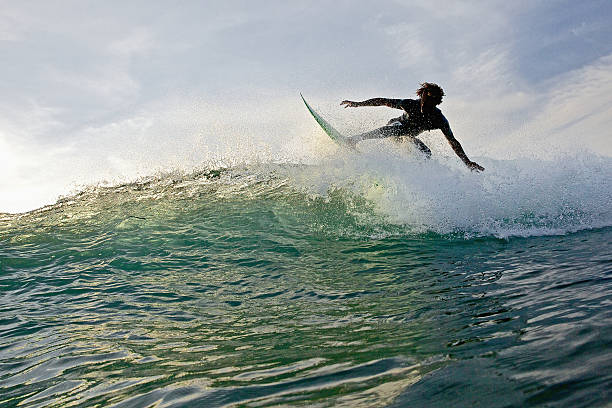
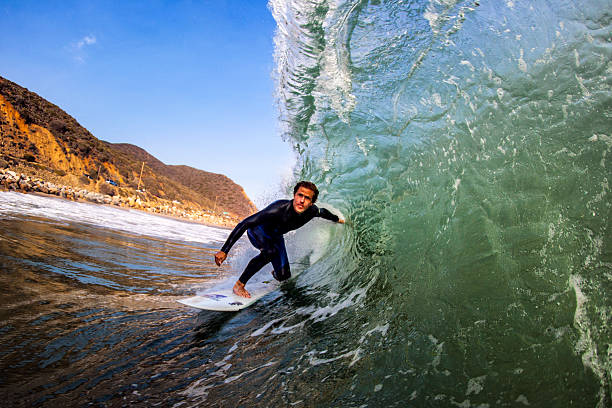
There’s a special kind of magic that happens when you paddle out alone at first light. No one to split the peak with, no one to yell “party wave,“ just you, your board, and the ocean humming like a tuning fork. Solo surf travel isn’t just about scoring more waves—it’s about stripping away the noise and getting raw with the elements. But rolling into a new break by your lonesome takes more than a full quiver and a hunger for barrels. It takes awareness, humility, and a whole lot of patience. Here’s how to make the most of your solo missions without becoming a cautionary tale told over beach bonfires.
First thing you gotta do is ditch the ego at the airport. When you’re traveling alone, there’s no crew to back you up if you drop in on the wrong local. Every lineup has an unspoken code, and as a solo surfer you’re already an outsider. Spend your first session just watching. Sit on the sand, trace the ripples, clock the peaks, and map the paddle-out channel like you’re studying a tide chart for an exam. Watch who’s getting waves and who’s sitting deepest. Then paddle out like you belong—calm, quiet, and respectful. Give the regulars space. Let the next set roll through without banging for the inside. After a couple waves that you earned, not stole, you’ll feel the tension thaw. A nod, a chin lift, and suddenly you’re not a stranger anymore. That’s the golden rule of solo surfing: the ocean gives you waves when you give the lineup respect.
Your gear becomes your lifeline when you’re traveling alone, so pack with intention. That means leaving the “maybe” boards at home. One trusty all-rounder that paddles well and handles a bit of juice is way better than a coffin-shaped quiver you have to drag through three airports. And don’t forget the little things that turn a bad day into a good story: a leash string you can count on, a fin key that actually fits, and a repair kit with enough resin to patch a ding in a pinch. Solo travel means no one’s gonna loan you wax or a coil of duct tape when you’re stranded at a remote point break. Throw a lightweight dry bag in your backpack for your phone, keys, and a few bucks, then strap it to you or stash it somewhere sneaky on the beach. Never leave your valuables under a towel while you’re out—that’s just feeding the petty thieves who patrol tourist spots.
Safety is your second shadow. When you surf alone, there’s no one calling 911 or dragging you onto a reef when things go sideways. That means you listen to your gut hard. If the swell looks doubly overhead and the current’s ripping sideways like a river, that wave will still be there tomorrow. Your job is to be there too, so pick your days and pick your spots. Learn to read the rip currents before you paddle out. Find the channel, use it to escape the impact zone, and always keep a mental note of the nearest exit point on the beach. If you’re surfing a remote break with zero cell service, tell someone—a hostel owner, a fisherman, a random dude walking his dog—exactly where you’re going and when you plan to be back. It takes ten seconds and it can save your life. And for the love of Neptune, wear a leash that’s kitted to the conditions. A broken leash in a six-foot sea with no buddy on the beach is how you end up as driftwood.
The real gift of solo surf travel, though, is the headspace. When you’re alone on the water, your mind has no choice but to settle into the rhythm of set waves and deep breaths. You start noticing things you’d miss in a pack—the way the swell bends around a reef, the telltale dark water that marks a deep channel, the timing of the phantom lull before the set. You become a better surfer because you’re not chasing the guy next to you; you’re chasing the line that feels right. Lean into that stillness. After your session, find a quiet cliff or a coffee shack, sit with your board, and write down what you saw. The tides, the wind, the vibe of the place. That’s your own personal surf journal, and it’s worth more than any glossy spot guide.
Solo travel also forces you to connect in ways you wouldn’t if you had a crew. You’ll eat dinner alone at a beachside grill and end up swapping stories with a crusty local who offers to show you a secret right-hander tomorrow. You’ll paddle up to another solo wanderer, share a lull, and split a mango on the sand. These moments aren’t tokens of luck—they’re the currency of openness. So smile easy, ask good questions, and give back to the places that give you waves. Pick up a piece of plastic drift on the beach. Support the mom-and-pop surf shop. Leave every break the way you found it, or better.
In the end, solo surfing isn’t about being alone—it’s about being enough. You bring your own stoke, your own respect, and your own willingness to wait for the set that counts. The ocean will meet you halfway. The waves might be clean, or they might be gnarly, but the connection you build out there with the sea and yourself is the real reward. So grab one board, pack light, paddle out with an open heart, and let the empty lineup fill you up.