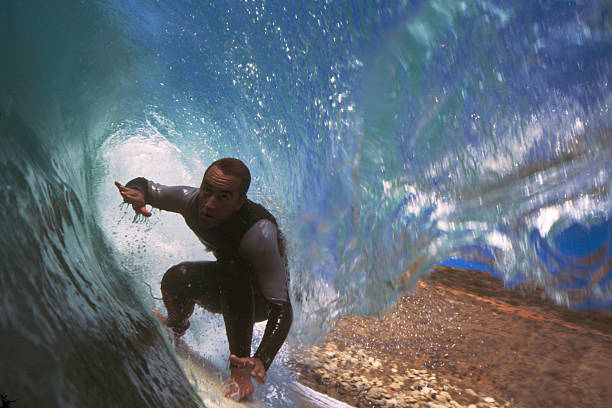
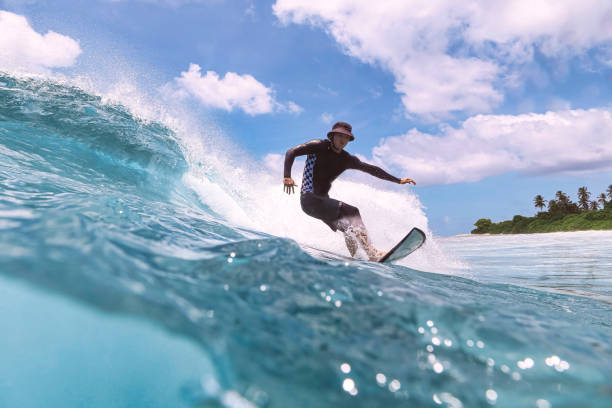
Every surf trip starts long before you dip a fin into saltwater. The real session happens in the bedroom at midnight, staring at a board bag that somehow has to hold the difference between a summer reef pass and a winter beach break. Packing for a surf expedition is an art form learned through the school of hard knocks. It is equal parts stripping away the unnecessary and knowing exactly what you need when the horizon lines up and you have twenty minutes of light left. The goal is not to bring everything you own. The goal is to arrive with just enough to paddle out feeling clean, loose, and ready for whatever the ocean decides to throw at you.
The first decision is the quiver. You cannot bring five boards, a foil, and a funshape to a wave that barely knows you exist. Choose one board that does everything decently, maybe a groveler with a little extra foam and a pulled-in tail, or a step-up if the forecast shows real juice. A board that paddles well and lets you catch waves early beats a high-performance shred stick that needs a groomed, sand bottom point to even feel alive. One board means you learn it. You learn how it sits in the water, how it releases off the bottom turn, how it gets a little skittish when the swell jumps. That connection is worth more than a rack full of shapes you have never ridden in actual surf.
The board bag matters more than most people admit. A quality travel bag with thick padding and a stiff nose tail block is a cheap insurance policy against the baggage gorilla who sees your board as a wrestling opponent. Wrap the board with a couple of towels around the rails, slide it in with the fins out or carefully packed, and close the zipper as if you are sealing a treasure chest. Do not forget to put a paper note, not a digital one, inside with your name and destination. If the airline loses the bag, that little paper might save the whole mission.
Beyond the board, keep the gear minimal but intentional. A travel board bag is also your closet. Stow wax and a comb for warm water, a good changeable fin set if your board allows, and a fin key taped to the stringer because keys always disappear. For cold water, pack a quality wetsuit that is thick enough for the dawn patrol but not so thick that you sweat through the midday lull. If you are chasing tropical dreams, bring two boardshorts and a rash guard that doubles as sun protection. The rash guard should be a long sleeve, because reef passes have no mercy on your back when you are paddling against a current that thinks it is in charge.
Repair kit is non-negotiable. A tube of Solarcure resin, a little sandpaper, and some duct tape can turn a ding that would end a trip into an hour-long coffee break instead of a tearful goodbye. You do not need to be a glassing wizard. You just need enough skill to patch a pressure ding and tape a fin box until you get home. Reefs will find you. Rocks will find you. The bottom of a rental van’s roof rack will absolutely find you. Be ready.
The less obvious part of packing is the mental list. Passport, visas, cash, insurance card, weird foreign adapters, and a small dry bag for your phone and keys. Tuck those into the same place every time. The beach has a way of swallowing unattended belongings, but a dry bag clipped to your board bag handle is your lifeline to the world after sunset. Do not pack too many clothes. Nobody on the coast cares if your T-shirt has wrinkles. Pack one good pair of sandals, one hat, and one pair of sunglasses that float, if that magical item exists.
Then leave room for the intangibles. An open mind for a wave that breaks differently than the forecast showed. Patience for flat spells and crowded takeoffs. Gratitude for the ocean that gave you a barrel even if you ate it on the inside. When the bag zips up and you lift it over your shoulder, the real weight is not the board or the rubber. It is the anticipation of putting your feet in warm sand, sniffing the salt breeze, and staring out at a horizon you have never seen before. That is the true gear. The rest is just logistics.