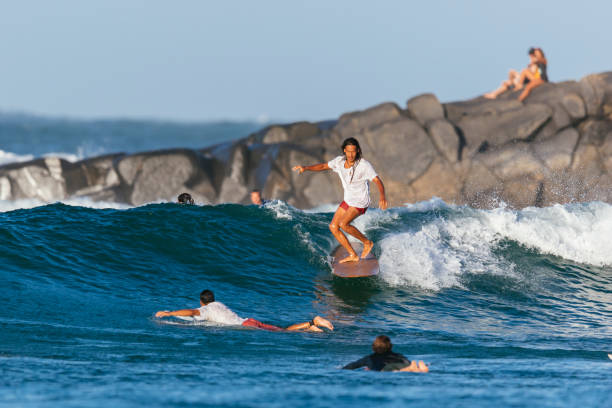
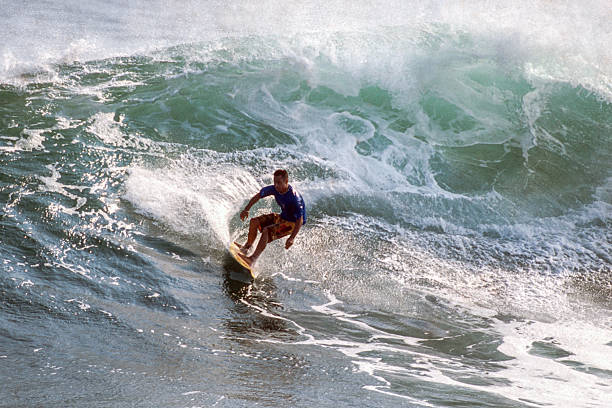
There’s a certain magic in showing up to a far-flung break with nothing but a single board under your arm. No board bag the size of a small kayak, no quiver full of options that you’ll second-guess every morning, no frantic decision at dawn about whether to ride the groveler or the step-up. The quiver of one is a minimalist philosophy that forces you to commit, to adapt, to feel out the ocean with the same stick no matter if it’s a playful waist-high crumbler or a heaving reef slab. When you’re packing for a surf expedition, this approach isn’t just a style choice—it’s a liberating act of trust in your own instincts.
Now, I know the counter-argument. Every frother worth their wax has dreamed of the multi-board travel quiver, that bulging coffin-shaped bag with every shape and size for every conceivable swell. But let’s be real. Dragging three boards through airport terminals, bus depots, and potholed dirt tracks gets old faster than a blown-out morning. Excess baggage fees eat into your taco budget. And the real kicker? You spend more time worrying about your boards than actually surfing them. When you go with a single board, you strip away that noise. You’re left with pure stoke and a deeper connection to the waves you find, because you’re not constantly wondering if another board would’ve been better. You just paddle out and make it work.
So how do you pick that one board for a trip that might span countries, climates, and radically different swells? The answer is all about compromise, but not in a wimpy way. You’re looking for a magic middle—something with enough volume to paddle comfortably in mushy, semi-glassy conditions, yet with a rail and rocker that can hold a critical turn when the reef bowls up. A classic shortboard with a slight swallowtail, or a hybrid fish with a bit of extra foam, often does the trick. Think around your own height plus four to six inches, with a thruster setup that you’ve ridden enough to know inside out. That’s your trusty steed. You don’t need the gnarliest step-up; you need a board that feels like an extension of your body when you’re tired, jet-lagged, and paddling into a foreign lineup at first light.
Once you’ve got your stick, the real packing choreography begins. Your board bag isn’t just a piece of luggage—it’s a sacred vessel. Invest in a padded day bag that meets most airline size limits, but don’t think the padding alone is enough. Wrap your board in a layer of soft clothes—t-shirts, board shorts, a hoodie or two. That not only protects the glass job from dings and dents but also saves you from bringing a separate suitcase. This is the old traveler’s trick: your board bag becomes your primary luggage, carrying everything but the essentials you’ll need on the plane. Roll up a reef bootie in the nose, stuff a few leashes along the rail, and wedge your wax and comb in a side pocket. Every cubic inch matters when you’re rolling with the quiver of one.
Now, let’s talk about the stuff that lives inside that bag alongside your board. First, a solid repair kit. Minor dings can happen no matter how careful you are. A tube of sun-cure resin, a few sheets of fiberglass cloth, some sandpaper, and a squeegee will cover most emergencies. You don’t need a full shaping bay, just enough to patch a pressure ding or a crease until you get home. Also pack an extra fin or two—those little losses can ruin a session quicker than a ripping current. And for the love of all things glassy, throw in a universal fin key even if your board uses the tool-free system, because trust me, you’ll meet some surfer who needs one.
Your wetsuit strategy depends entirely on the destination, but for a single-board expedition, you want versatility over warmth. If you’re chasing tropical or equatorial waves, a spring suit or even a rash guard will do. For that endless summer vibe, pack a 3/2 chest zip that breathes in the morning chill and doesn’t feel like a sauna by midday. Roll it, don’t stuff it—rolling prevents creases that break down the neoprene over time. And remember that rash guards double as sun protection, so bring a couple even if the water feels warm.
The mental side of traveling with one board is where the real reward lives. You stop overthinking the conditions and start reading the ocean with fresh eyes. That slab might be a bit slabby for your foamy hybrid, but you find the corners, the second peak, the sneaky shoulder that everyone else misses. You’re forced to surf smarter, not harder. And when the swell cranks up beyond your comfort zone, you learn to respect the lineup, watch how the locals handle it, and catch a few bombs on your trusty stick because you’ve got no other option. That’s how you level up.
So as you pack for your next expedition, resist the siren call of the overloaded quiver. Embrace the quiver of one. Let your board become a traveling companion, not a piece of fragile cargo. Toss in the essentials, treat your bag like a treasure chest, and paddle out with the faith that one good board is still better than three uncertain ones. The waves will still show up. The stoke will still flow. And you’ll land back home with memories of a journey that felt light, focused, and deeply connected to the endless summer you chased.