Surf Technique Deep Dive

•

Live Surf Cams

Surfline Live is a 24/7 glimpse into the world’s surf.

This stream moves through Surfline’s global camera network, showing spots where it’s daylight and rated Fair or better.

What’s The Deal With…?

Surf Technique Deep Dive
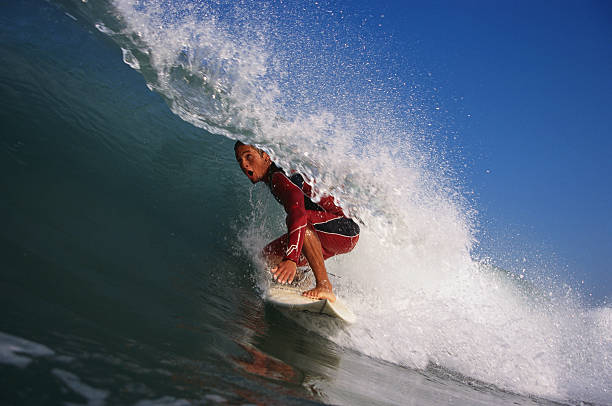
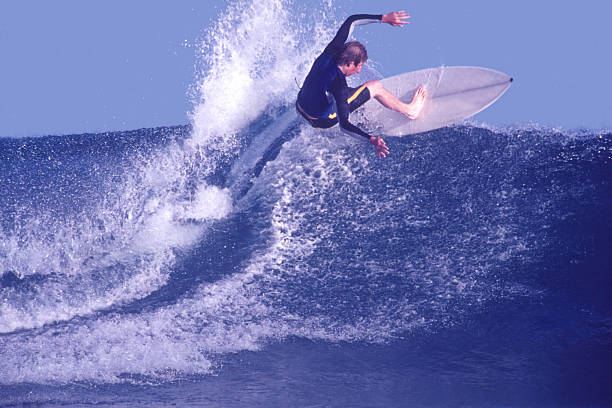
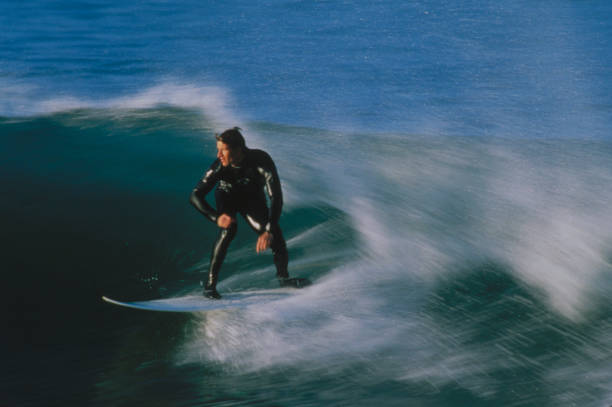
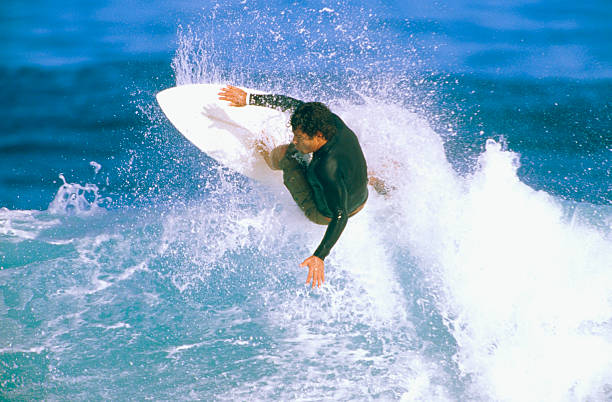
The bottom turn is your foundation for everything else. As you hit the bottom of the wave, compress your legs, look where you want to go—usually back up towards the pocket—and engage your rail with a solid, committed turn. It’s all about generating speed and setting up your next maneuver. A weak bottom turn means a weak next move. Practice really driving off that back foot and feeling the rail bite. It’s the launchpad for your entire ride.

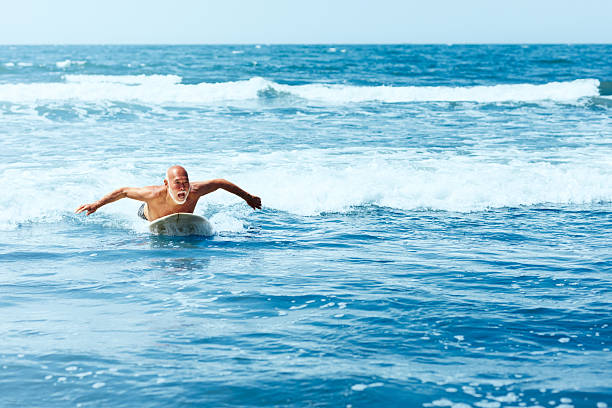
Smoothness and one fluid motion. From your paddling position, place your hands flat under your chest (don’t push up too high). In one explosive move, push your upper body up while bringing your back foot to where your knees were. Your front foot then lands between your hands. Think “pop,“ not a slow push-up. Practice this on the beach until it’s muscle memory. A jerky pop-up kills your momentum and balance before you even stand.

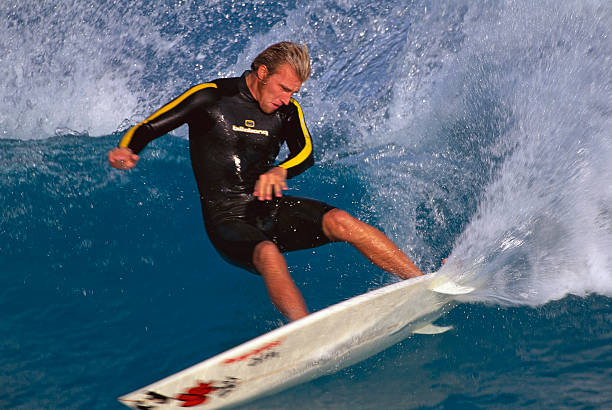
Your foot placement dictates everything: speed, turning, and stability. Too far back and you’ll stall; too far forward and you’ll nose-dive. Generally, for speed, shift weight forward. For a turn, press on your back foot and the tail. It’s a constant, subtle dance. Feel the board under your feet and adjust based on the wave section. Good surfers are always micro-adjusting their stance. It’s about connecting with your stick and the wave’s energy, not just standing there.

Surf Technique Deep Dive
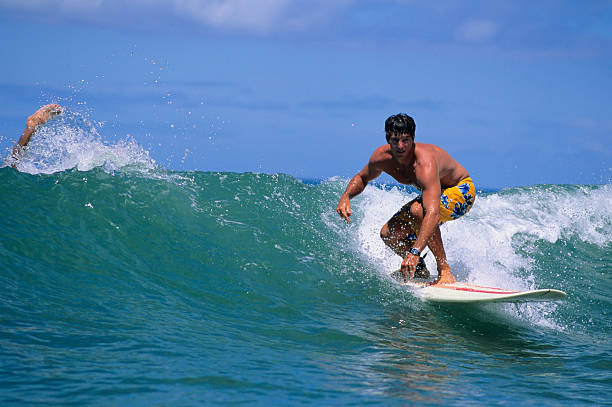
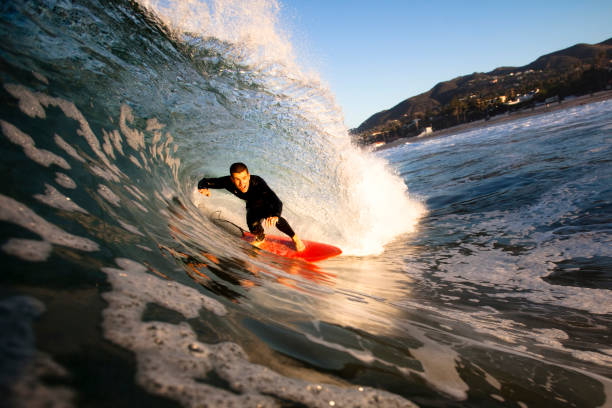
To generate speed, think “pumping.“ It’s not just wiggling; it’s a controlled, rhythmic compression and extension of your body, using the wave’s face like a skateboarder uses a half-pipe. Push down on your front foot as you go down the face, then shift weight to your back foot as you go back up, unweighting the board. This “S” carving motion converts the wave’s energy into forward momentum. Stay in the pocket, the steepest part, for maximum thrust.

Pearling, or nosediving, usually means you’re too far forward on your board or you’re not angling enough. As you feel the wave lift you, take a few strong, deep strokes and then quickly slide your chest back a few inches to get the nose up. Also, start paddling at a slight angle, not straight toward the beach. This helps the board plane on the water instead of digging in. It’s a timing and positioning thing—you’ll get the feel.

Reading a wave means predicting how it will break before it does. From the lineup, look at the horizon line. A lump that suddenly gets dark and steep is about to peak. Watch the angle of the swell, the wind, and the reef or sandbank below. The more time you spend just observing, the better you’ll get. You’ll start to see if it’s a left or right, if it will wall up or section, and where to take off.