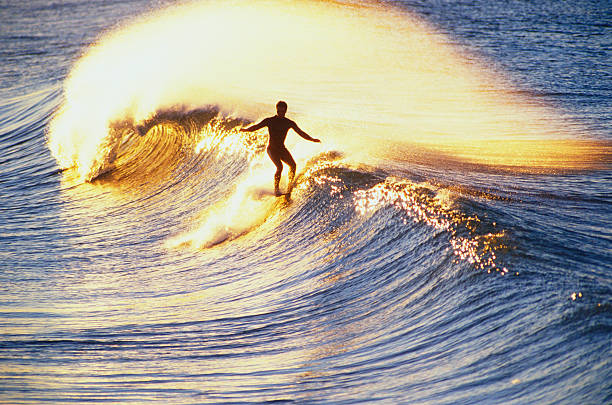
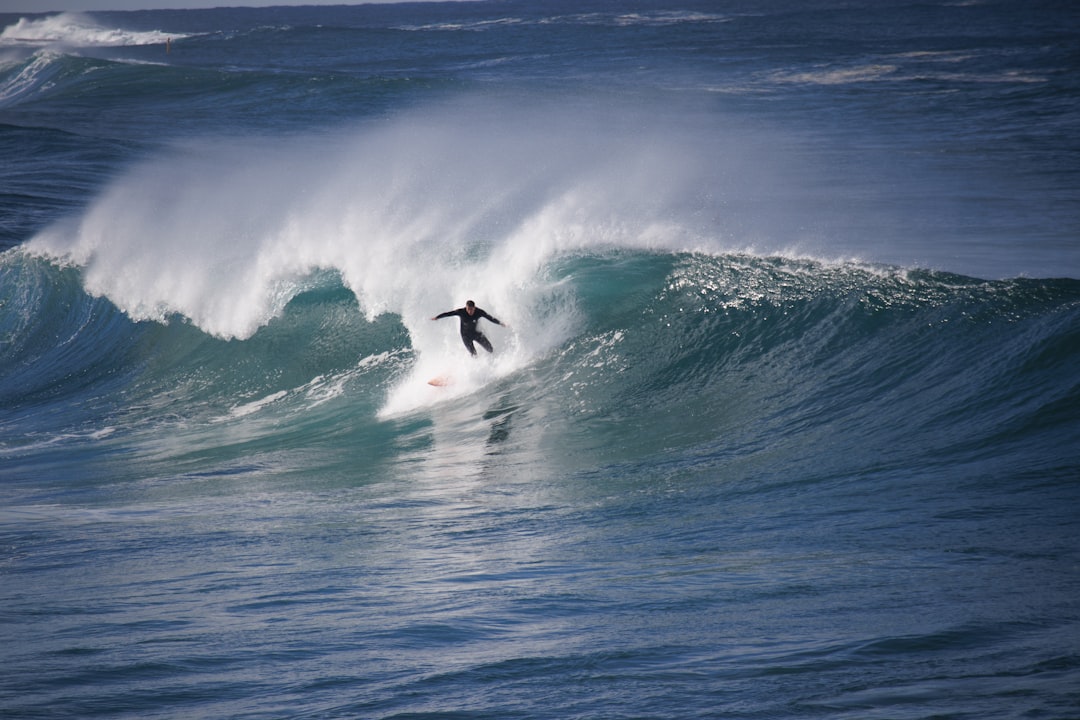
You know that feeling when you’re sittin’ out in the lineup, the ocean is glassy, and a solid set rolls in from the horizon. Your heart starts pumpin’, you pivot your board, and you start diggin’ for all you’re worth. But half the time, you either paddle too early and stall out, or you wait a split second too long and the wave just passes underneath you, leaving you bobbin’ in the whitewash, muttering some choice words. Catchin’ more waves ain’t just about raw paddle power—it’s about knowin’ exactly when to unleash that power. The secret sauce is the paddle burst, a short, explosive sprint that matches your acceleration to the wave’s energy. Get this right, and you’ll be sliding into the pocket more often than you’re watchin’ from the shoulder.
First, let’s talk about position. Paddlin’ power means nothin’ if you’re parked in the wrong spot. You gotta read the ocean, watch how the swell bends around reefs or sandbars, and figure out where the peak is gonna feather. Most beginners paddle too far inside, tryin’ to catch every ripple, and then they’re stuck in the soup. The real trick is to sit a little deeper than you think, maybe ten to twenty feet outside the main takeoff zone, where the swell first starts to stand up. When you see a wave that has your name on it, don’t just start strokin’ like a maniac. Instead, give it a couple of calm, deep paddle strokes to get your board moving, then wait. Yes, wait. Let the wave come to you. The moment the wave’s face begins to lift your tail, that’s when you burst.
The paddle burst itself is a short sequence of maybe five to eight strokes, but they gotta be heavy and fast. Think of it like a sprinter out of the blocks—you’re not runnin’ a marathon. Use your whole body, not just your arms. Drive your chest down, twist your torso, and pull water with the full length of your paddle stroke, from the nose of the board all the way past your hip. Keep your head down and your eyes on the wave face, not on the horizon. A common mistake is lookin’ back at the wave, which throws your weight off and slows you down. Trust your peripheral vision to feel the wave’s push. When you feel that sudden lift—that familiar bump that says “you’re in”—that’s your cue to stop paddling. Keep your hands on the rails, pop up smooth, and let the wave do the rest.
Now, here’s where many surfers lose the wave: they paddle too hard for too long. Overpaddling is a real stoke-killer. Once you’re committed, the wave will accelerate you. If you keep diggin’, you’ll either outrun the wave and nose-dive, or you’ll miss the timing of the drop-in. The paddle burst should end just as the wave is about to take over. You want to feel that sweet spot where the wave’s slope matches your momentum. If you’re paddling a shortboard with less volume, you’ll need a sharper burst; on a longboard or a foamie, you can ease into it. The key is to match your acceleration to the steepness of the wave. A steep, fast-breaking wave demands a sudden, powerful sprint. A softer, mushy wave needs a longer, more gradual build-up. Train your eyes to read the wave’s shape as it approaches—if you see it jacking up quickly, start your burst earlier and make it count.
Another factor that kills paddle efficiency is your board’s trim. If your nose is too far underwater, you’re just creating drag. Keep your chest slightly lifted and your weight back just enough to let the board plane. As you start your burst, shift your weight forward gradually to flatten the board on the water. This “trim paddle” reduces resistance and lets you cover more distance with each stroke. Practice this on flat days: paddle hard and feel how changing your weight affects glide. The more you can streamline your body, the more of your energy goes into moving forward instead of pushing water.
Finally, don’t forget about breathing. A lot of surfers hold their breath when they paddle burst, which tenses up their shoulders and kills endurance. Exhale forcefully with each stroke, like you’re blowin’ out a candle. This relaxes your upper body and keeps oxygen flowing to those muscles. Combine that with a calm mind and a solid read of the ocean, and you’ll be scratchin’ into waves that used to slide right by. The paddle burst isn’t just a physical move; it’s a dance with the wave’s rhythm. Once you feel that connection, you’ll catch more waves, surf longer, and leave the lineup with a grin that only a perfect drop can give you.