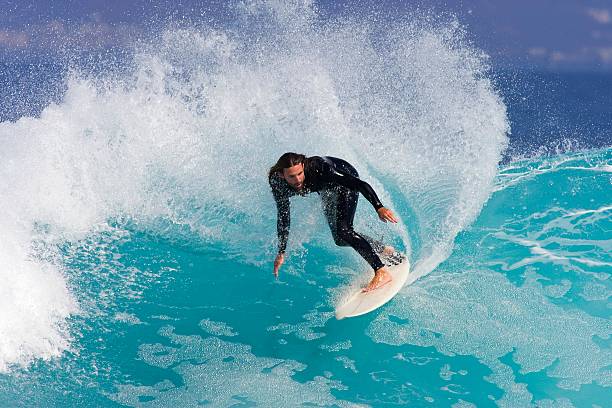
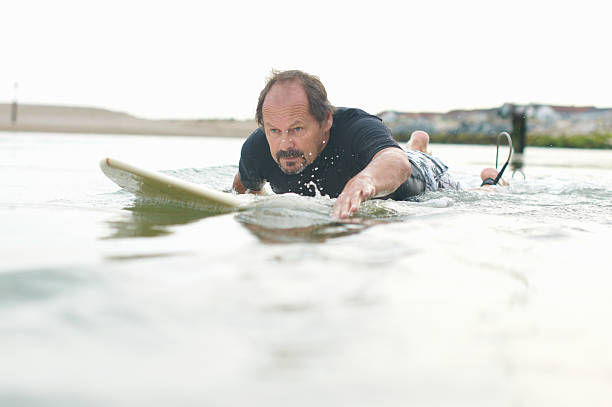
There is a certain magic to a reef break that a beach break just cannot touch. It is not just the crystal clarity of the water or the vibrant marine life that flashes beneath your board as you paddle out. It is the consistency, the promise the ocean makes that if you sit in the right spot, the wave will form with a predictable, almost mechanical precision. But that promise comes with a price. Reading a reef break is not the same as scanning a sandy bottom. The reef is a fixed, unforgiving landscape, and understanding how that landscape shapes every single pulse of swell that rolls through is the difference between scoring the ride of your life and taking a trip to the coral doctor.
The first thing you have to wrap your head around is that the wave you see breaking is a direct result of what is happening three, four, or even ten feet below the surface. A sudden, steep wall that seems to appear out of nowhere? That is a shallow, jagged coral head that is forcing the swell to jack up violently. The only way to survive this takeoff is to commit hard. You cannot hesitate. Your pop-up has to be explosive, and your eyes have to be locked on where you want to go, not on the sharp, brain-coral looking up at you from below. Hesitation on a reef break gets you pitched into the impact zone, which is a place where the water is shallow enough to let you kiss the reef on the way down.
You have to learn to read the different lines of the wave. On a reef, the swell will hit the bottom and peel in a very specific direction based on the angle of the reef’s slope. If the reef shelves off steeply to the right, you are looking at a fast, down-the-line rights that require a lot of rail work and a tight bottom turn to get into the barrel. If the reef runs flat and then drops off, you get those thick, powerful wedges that are perfect for a deep, drawn-out carve. Watching the water for the first twenty minutes of a session is not a waste of time. It is reconnaissance. You are looking for the deep green sections that indicate a deeper channel, and the white, boiling foam that marks the danger zones where the reef is closest to the surface.
Your takeoff position changes constantly as the tide moves. At high tide, some sharky-looking reef breaks become surprisingly mellow because the water cushion is thick enough to let you glide over the hazards. You can take off a little later, a little deeper. But when that tide drops, the whole dynamic shifts. The wave gets steeper, faster, and much more critical. The channel you used to paddle out becomes a churning washing machine of whitewater. You have to be aware of the tide schedule as much as you are aware of the swell period. A six-foot swell at low tide on a shallow reef is a very different beast than the same swell at high tide.
The biggest trick to mastering a reef break is learning to use the wave’s structure against itself. You want to find the “pocket,“ the most powerful part of the wave where the energy is concentrated. On a reef, this pocket is usually more defined because the bottom contour forces the wave to hold its shape. You have to be willing to sit deep, to take a few on the head while you find the exact spot where the peak is standing up. When you catch the wave, you do not just drop in. You commit to the line. You let the reef, the swell, and your gut feeling guide your board down the face. The best reef riders look like they are dancing with a partner that has sharp teeth. They know when to push, when to stall, and when to straighten out.
The exit is just as important as the takeoff. On a sandy beach, you can kick out anywhere and tumble. On a reef, kicking out into the whitewater can drop you right onto a dry shelf. You have to ride the wave all the way to the channel. You have to find the deep water, the escape route. This is where the board is your lifeline. You use your fins to pivot, your body to lean, and your brain to calculate the safest place to fall if you have to.
Respect the reef. It does not care about your bravery or your style. It is a rock garden that grows waves. The surfer who learns to read its language, who understands its moods and its shifting water levels, is the surfer who will find the barrel. The rest will find a fresh set of reef rash and a wounded ego. So next time you paddle out at a reef break, spend the first five minutes just looking at the water. Feel the bottom under your feet if you can. Understand the canvas before you try to paint it.