Surf Lingo Explained

Live Surf Cams

Surfline Live is a 24/7 glimpse into the world’s surf.

This stream moves through Surfline's global camera network, showing spots where it’s daylight and rated Fair or better.

What's The Deal With...?

Mastering the Waves

How important is board design for carving and airs?

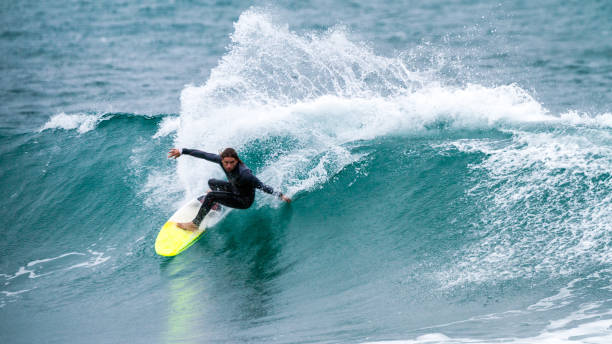
Totally crucial, dude! For carving, you want a board that holds a rail—something with a defined edge and often a bit more rocker. For airs, you typically want more rocker in the nose and tail to help with the pop off the lip, and lighter construction helps you get airborne. Performance shortboards are built for this. But don’t get too gear-focused; a good surfer can rip on anything. The right board just makes it easier to progress and feel that sweet, sweet release.

What’s a good dryland routine for when I can’t get in the water?

Keep the stoke alive! A solid dryland routine includes paddle simulations with resistance bands, pop-up drills, core circuits (planks, leg raises), and balance work on a Indo Board or even a rolled-up towel. Don’t forget mobility flows and yoga to maintain that surfer flexibility. This isn’t just about maintaining fitness; it’s about sharpening the neural pathways so when you finally hit the brine, your body remembers exactly what to do.

What’s the difference between “onshore” and “offshore” wind?

Onshore winds blow from the ocean toward the land. They chop up the wave face, make it mushy, and can cause it to close out. It’s generally junk conditions. Offshore winds blow from the land out to sea. They hold the wave face up, smooth it out, and help create hollow barrels by pushing against the lip. A light offshore is the surfer’s best friend—it makes waves cleaner, sharper, and more powerful. Always check the wind direction before you paddle out!

Surf Gear & Brands

How do I choose the right boardshorts for everyday use?

Go for a pair with a secure, comfy waistband—usually a drawstring and a solid fly. Key features include a stretchy, quick-drying fabric and a gusseted crotch for full mobility when you pop up. For everyday use, you want a versatile length and a design that works just as well on land. Check for durable stitching and consider recycled materials; many core brands are eco-conscious these days. Basically, they should handle a dawn patrol and then look good hanging out.

Why are some boards so much more expensive?

You’re paying for materials and labor, bro. High-end boards use premium, lighter blanks, stronger epoxy resins, and hand-laid glass jobs with intricate designs. Custom shaping is hours of meticulous handwork by a master craftsman. Mass-produced “pop-outs” are cheaper but often heavier and less refined. Think of it like a custom guitar versus a factory model. That extra cash gets you a responsive, lively board that’ll become your favorite travel buddy.

Can I get my board repaired at a local shop, and is it worth it?

Totally, and absolutely! A good ding repair crew can work magic, making a nasty crunch disappear. They’ll assess if it’s a quick fix or needs serious glassing. It’s almost always worth it to save a trusted stick—it has the dings and memories that make it yours. Plus, repairing is way more sustainable than tossing a board. Supporting that skill keeps the art of board building alive in your town.