Mushy: A Soft, Slow Wave

In the endless chatter of the lineup, you’ll hear all kinds of descriptions flying around. There’s “pumping,” “firing,” and “epic.” But then there’s the other end of the spectrum, a word delivered with a shrug and a knowing smile: mushy. It’s not an insult, not really. It’s just the honest truth about the conditions underfoot. Understanding this bit of surf lingo is key to managing expectations and, sometimes, finding a whole different kind of fun.

So, what exactly is mushy? Picture a wave that lacks punch. It doesn’t throw itself over with a hollow, pitching lip. Instead, it kind of lumbers in, a soft, rolling mound of water that’s more about gentle push than explosive power. The face is often fat and walled, without a clean, defined shoulder to race down. When you drop in, you don’t get that crisp, down-the-line drive. You have to pump, generate your own speed, and work with what the wave gives you, which often isn’t much. It’s the opposite of a hollow, barreling wave. That’s mush.

Mush typically happens on certain types of days. When the swell is small and the tide is a bit too high, waves can lose all their shape and just sort of flop over. Soft, sandy bottoms, as opposed to shallow reefs or point breaks, are classic mushmakers. The wave energy just gets absorbed and spread out, creating those slow, forgiving walls. Onshore winds are the usual culprit, too, chopping up the face and destroying any chance of a clean line. It’s the kind of day that makes shortboarders groan as they endlessly pump for a section that never really comes. Their high-performance sticks, built for speed and snap, just sink in the lack of power.

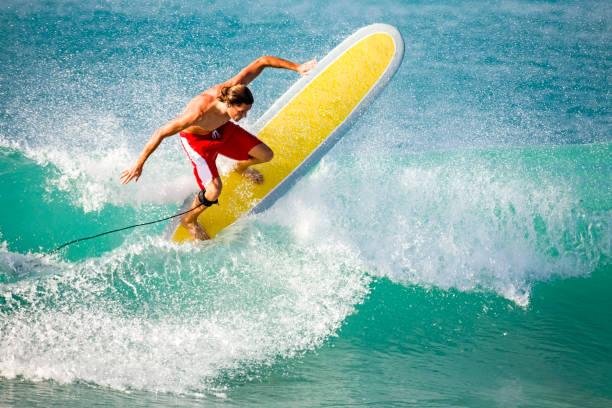
But here’s the thing: mushy isn’t always bad. It’s all about your equipment and your attitude. This is where the longboarders, the mid-length riders, and the funboard crew get their time to shine. A big, floaty board needs less wave power to get going. What feels like a dead, mushy wall to a guy on a potato chip is a perfect, crumbly canvas for a noserider. You can walk to the front, hang ten, and practice your cross-stepping without the fear of a pitching lip taking you out. For beginners, mushy waves are a gift. They’re slower, less intimidating, and more forgiving for practicing pop-ups and just getting a feel for the glide.

It’s a different approach to surfing. On a firing day, it’s all adrenaline and reaction. On a mushy day, it’s about patience, style, and making something out of not much. It’s trimming, finding little pockets of energy, and maybe pulling a slow, drawn-out turn. You learn to read the wave differently, looking for the slightest hint of a corner or a soft shoulder. It teaches you to generate speed from your own movements, a skill that pays off big time when you get back on a better wave.

So next time you paddle out and it’s not quite “epic,” don’t just write it off. Check the tide, feel the soft push, and acknowledge the truth with a laugh: “Yeah, it’s a bit mushy out here.” Then, adjust. Grab a bigger board, lower your expectations, and enjoy the mellow vibe. Because chasing the sun isn’t always about chasing perfection. Sometimes, it’s about enjoying the soft, slow waves just as much as the hollow ones. That’s the real endless summer—finding the stoke in all kinds of surf.
Related Posts

Live Surf Cams

Surfline Live is a 24/7 glimpse into the world’s surf.

This stream moves through Surfline's global camera network, showing spots where it’s daylight and rated Fair or better.

What's The Deal With...?

Surf News & Updates

How can I surf more consistently?

Consistency is about linking turns and flow down the line, not just random maneuvers. Focus on your fundamentals: generate speed by pumping down the line, set your rail on bottom turns, and project toward the next section. Practice connecting a solid bottom turn into a crisp top turn. Watch footage of yourself. It’s about making every wave count, turning a section into a canvas for expression.

What’s the best website or app for checking forecasts?

It depends on your region, but many surfers swear by a combo. Surfline is the giant for cams and detailed reports. Magicseaweed (now owned by Surfline) has great global charts. Windy is phenomenal for visualizing wind and swell models. For hardcore data nerds, websites like SwellInfo or the NOAA buoys provide the raw info. Most of us check a few to get a consensus. The key is learning which forecast works best for your local breaks and trusting it.

How do I actually get better when I’m stuck in a rut?

First, watch your own surfing! Get a mate to film you. You might think you’re laying down a sick bottom turn, but the video shows a wobbly mess—it’s a humbling game-changer. Second, mix up your equipment. Borrow a log if you normally ride a shorty; it’ll teach you about flow. Finally, surf with people better than you. Their lines and timing will rub off, pushing you to step up your game without even realizing it.

Surf Culture & Community

Are there eco-friendly surfboards and gear?

For sure! The shaper community is getting super innovative. You can now score boards made from recycled foam, bio-resins, and sustainable woods like paulownia. Look for wetsuits crafted from natural limestone rubber or recycled materials. Even your wax and board shorts can be eco-conscious. Supporting brands that prioritize the planet means your quiver has a lighter footprint. It’s a solid way to respect the ocean that gives us so much.

How do surf magazines help me improve my surfing?

Beyond sick action shots, they’re packed with knowledge. You’ll find breakdowns of pro’s techniques, gear reviews on the latest sticks and wetsuits, and tips for reading different breaks. Interviews often reveal how surfers approach specific sections or mental preparation. It’s like getting a free coaching tip from the best in the game every month. By studying the sequences and advice, you can visualize new maneuvers and understand equipment better, which you can then take directly into your next session.

Do surf magazines cover more than just pros and contests?

For sure, brah! While the pro tour gets ink, core mags celebrate the entire surfing life. You’ll find features on shapers, environmental issues, surf history, local legends, board design, wave science, and the everyday surfer’s journey. They document the culture—the music, the art, the road trips, the environmental fights. It’s a whole universe beyond the jersey, focusing on why we live this lifestyle in the first place. The soul of surfing is in these pages.