Surf Lingo Explained: Speak the Language of the Lineup

You paddle out, the salt water’s cool, the horizon’s dotted with your tribe. Then you hear it: “That set was so shacked, but the kook on the inside blew the takeoff and got worked.” Nodding along, you think, “Got it.” But do you? Speaking the local lingo isn’t about being cool; it’s the key to understanding the vibe, the warnings, and the stoke. It’s the unwritten rulebook of the lineup. Let’s break down the essentials so you can talk the talk, not just paddle out.

First up, the cast of characters. A grom or grommet is a young, frothing surfer, all energy and no fear. An old-timer or salt has been around, knows every peak, and has earned their place. Then there’s the kook. This isn’t just a beginner; it’s the surfer whose antics disrupt the flow—paddling right into the peak, ditching their board blindly, or wearing their leash on the wrong ankle. Don’t be a kook. Observe, learn, respect.

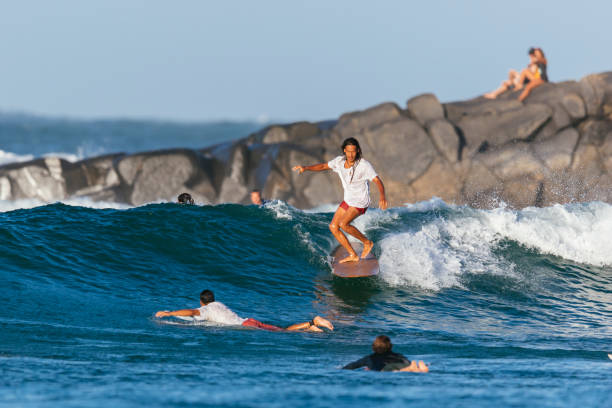
Now, let’s talk about the wave itself. You don’t just catch a wave. You take off on a left (breaking left from the surfer’s perspective) or a right. The peak is where it starts breaking. The lip is the curling, throwing top part. When that lip throws out completely over the wave face, creating a tube or cylinder, that’s the barrel—the holy grail. Getting shacked means you made it inside that barrel. If the wave is hollow and fast, it’s gnarly or heavy. A close-out is when the whole wave breaks at once, offering no rideable shoulder. A set is a group of bigger waves, and the cleanup set is the biggest one that wipes everyone off the inside.

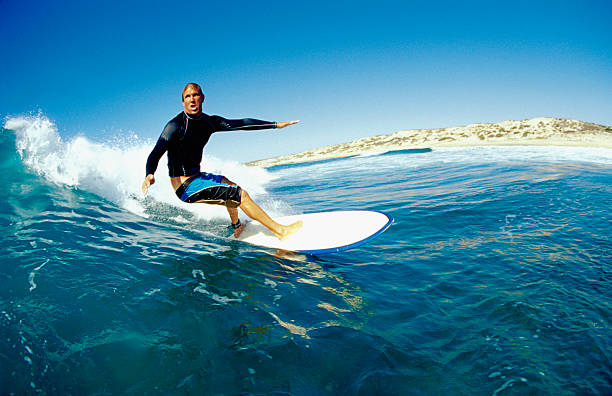
The action has its own vocabulary. Paddling out is your journey through the whitewater. Duck diving is pushing your board underwater to get under a broken wave. Snaking is the cardinal sin—paddling around someone to steal their right of way. When you pop up, you’re getting to your feet. Trimming is riding along the open face, while a bottom turn is that critical first turn at the base to set up the rest of your ride. A cutback is a sweeping turn back toward the breaking part of the wave. If you pull in, you’re committing to the barrel. Getting worked, eaten, or pitched means getting utterly demolished by the wave. We’ve all been there.

Finally, the general vibe. Stoke is the pure, infectious joy of surfing. It’s the fuel. Charging means going hard, taking on the big stuff. If someone’s surfing switch, they’re riding with their opposite foot forward. Dawn patrol is that early morning session before the world wakes up. Goofy foot means right foot forward (left is regular). When the waves are perfect, it’s epic, firing, or pumping. When it’s flat, it’s doldrums. And the dream? A secret spot or going on a surari—that endless chase for perfect, uncrowded waves, living the spirit of The Endless Summer every single day.

So there you have it. This isn’t about memorizing a list; it’s about absorbing a culture. Use these words with respect, listen more than you speak in a new lineup, and let your surfing do most of the talking. Now get out there, score some shacks, and share the stoke. Just don’t snake anyone.
Related Posts

Live Surf Cams

Surfline Live is a 24/7 glimpse into the world’s surf.

This stream moves through Surfline's global camera network, showing spots where it’s daylight and rated Fair or better.

What's The Deal With...?

Surf History & Legends

What Was the Original Hawaiian Surfboard Called?

The OG boards were called papa heʻe nalu. Chiefs rode massive olos, carved from wiliwili or koa wood, sometimes reaching 18 feet long. The commoners rode shorter, more maneuverable alaia boards. These weren’t just toys; they were sacred craft, shaped with stone tools and blessed by kahuna priests. Riding waves was deeply spiritual, a way to connect with the ocean’s mana (power) and show your skill and grace. It was way more than just a sport, brah.

How are they influencing everyday surf culture?

Their influence is dripping into every lineup. The way they blend high-performance surfing with a unique, often more relaxed personal style is key. They’re making progressive maneuvers seem accessible, pushing everyone to try new things. Their fashion, music tastes, and even the way they talk about stoke spread through edits and posts. They remind us that while competition is fierce, the core of surfing is still about pure fun, expression, and living the dream. They’re the new heartbeat of the culture.

What kind of board did Duke ride, and how does it compare to my shortboard?

Night and day, bro! Duke rode olo boards—monsters made from native koa wood, stretching 16 feet and weighing over 100 pounds. They were insanely heavy and had no fins, so steering was all about dragging your foot or hand. Compare that to your lightweight, thruster-finned shortboard designed for ripping turns. His board was about grace, straight-line speed, and simply being on the wave. It’s a humbling reminder of our roots. Try riding a log to connect with that old-school feeling.

Surf Culture & Community

Why do some surfers stick with one board brand for life?

It’s a trust thing, like a favorite local shaper who just gets your style. Each brand has a distinct “feel”—a certain rocker, rail shape, or flex pattern. When you find one that matches your approach to the wave, you form a partnership. You know exactly what you’re getting under your feet, which lets you focus on your surfing, not your equipment.

How do I stay safe and respectful in the lineup?

Know the rules! The surfer closest to the peak has right of way. Don’t drop in, don’t snake, and never ditch your board near others. Paddle wide around the peak, not through the heart of the lineup. Observe who’s in the water and give respect to get it. Understanding surf etiquette isn’t just about safety; it’s the foundation of good vibes and ensures everyone gets their share of waves.

What makes a great surf photograph?

It’s all about capturing the soul, not just the action. Sure, a perfect barrel shot is epic, but the best photos tell a story. They show the concentration on a surfer’s face, the spray of the lip, the way light dances on the water. It’s about the mood—the dawn patrol glow, the camaraderie in the lineup, or the sheer power of the ocean. A great surf photo makes you feel the wave.