Stoked: The Ultimate Feeling and the Language That Describes It

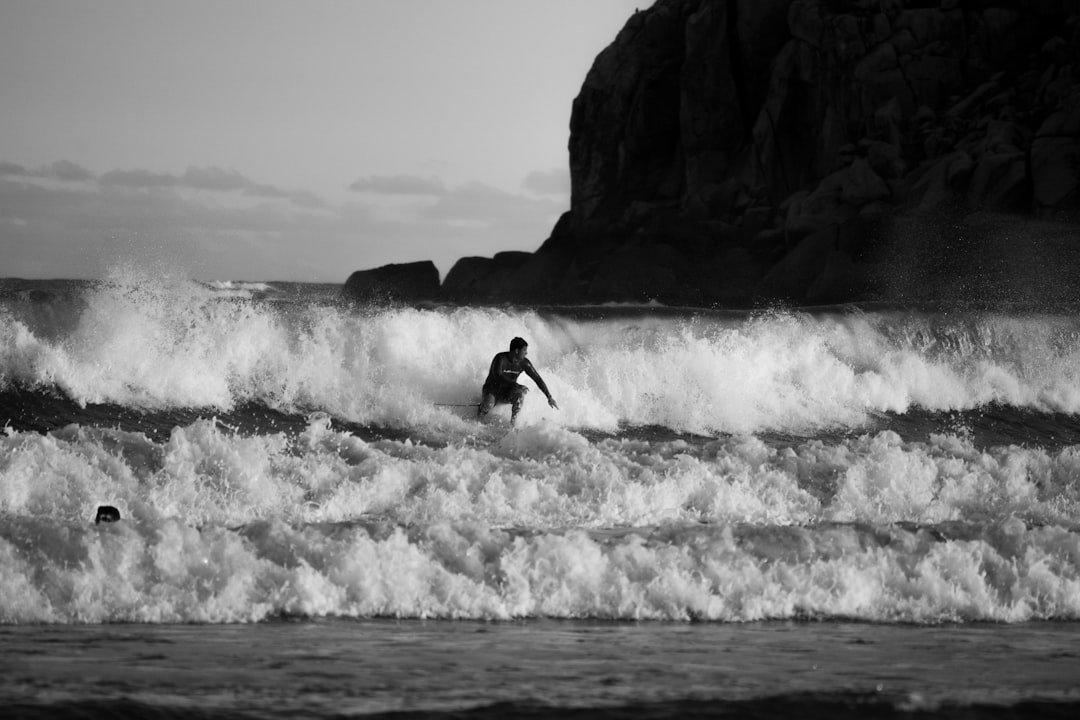
You paddle out, the morning sun glinting off the water, and you feel it. That buzz, that electric hum in your chest. You’re not just happy or excited. You’re stoked. This isn’t just a word; it’s the entire ethos of surfing condensed into a single, perfect term. It’s the feeling we’re all chasing, the reason we sacrifice sleep for dawn patrol and paddle through icy closeouts. And just like the sport itself, the language of surfing—the lingo—is a living, breathing thing that paints a picture of our world. It’s not about sounding cool; it’s about communicating the stoke in a language that gets it.

Let’s break down the basics, the phrases you’ll hear bobbing in the lineup or shouted from the shore. First, the conditions. It’s not just “big waves.“ When it’s firing or pumping, that’s when the ocean is delivering the goods—clean, powerful, rideable waves. If it’s flat or dirty, you might be better off waxing your board. A closeout is a wave that breaks all at once, offering no rideable face, a total bummer. But when you see a set—a group of larger waves—approaching, that’s when you get ready. You’ll hear someone call “Outside!“ meaning a bigger set is coming from beyond the normal break.

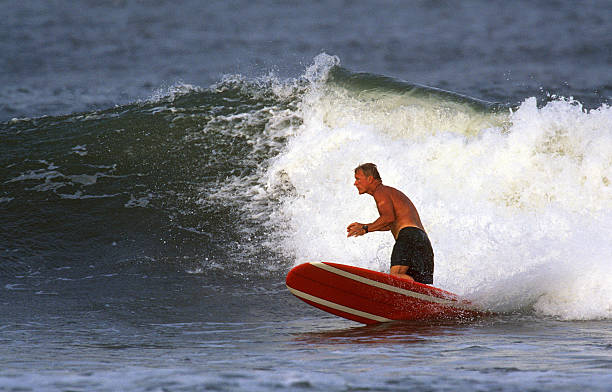
Now, the action. Dropping in is that committed moment you take off down the face. If someone drops in on you, they’ve taken off on a wave you’re already riding—a major breach of surf etiquette, a real kook move. A kook isn’t just a beginner; it’s someone who, through ignorance or arrogance, disrupts the vibe. We were all beginners once, but we listened and learned. When you’re riding, you might trim along the face for speed, or hit the lip—the top curling part of the wave—for a snap or a cutback. If you get pitched or eaten, you’ve been thrown by the wave, sent over the falls for a washing machine tumble. It happens. You just get back on your stick (your surfboard) and paddle back out.

The gear has its own poetry. Your quiver is your collection of boards for different conditions. A gun is for big, scary waves, a fish is for small, mushy days, and a log is a classic longboard for noseriding and smooth style. You don’t just put on a wetsuit; you suit up for a dawn patrol session before work. And after a long session, when your arms are noodles, you’re surfed out—happily exhausted.

But the real soul of surf lingo isn’t in describing objects or maneuvers; it’s in describing the vibe. Stoked is the kingpin, the ultimate prize. It’s post-session beers with your crew, telling stories about that one perfect wave. It’s the stoke you share when a grommet—a young surfer—catches their first green wave. It’s the dream of chasing the sun on a surf trip, living the endless summer fantasy, searching for an uncrowded peak that’s just going off.

This language connects us. It’s a shorthand for a shared experience, for understanding the difference between a good day and a glassy, epic one. It’s about respect—for the ocean, for the locals, and for the sheer, unadulterated joy of riding a wave. So next time you’re in the water, listen. Hear the calls, the laughter, the stoke. Because speaking surf isn’t about slang; it’s about speaking from the stoke that brought us all here in the first place. Now get out there. Hope it’s firing
Related Posts

Live Surf Cams

Surfline Live is a 24/7 glimpse into the world’s surf.

This stream moves through Surfline's global camera network, showing spots where it’s daylight and rated Fair or better.

What's The Deal With...?

Surfboard Evolution

How have surfboard shapes changed from old logs to modern designs?

Dude, it’s been a radical evolution. We went from heavy, single-fin “logs” focused on straight-line trim to short, light, multi-fin rockets. The 70s shortboard revolution was the game-changer—shorter lengths, sharper rails, and lighter materials allowed for insane vertical turns and tube-riding. Modern designs are hyper-specialized: from groveler wide-tails for small waves to high-performance shortboards and tow-in guns for Jaws. It’s all about matching the plank to the wave and your style, allowing way more radical, critical surfing than the old mals ever could.

What sparked the shift from longboards to shortboards?

The late 60s saw surfers craving more radical, vertical maneuvers. Long, heavy logs were great for nose riding but limited in the pocket. Inspired by Bob McTavish and George Greenough, shapers started chopping off feet, adding rocker, and finning boards differently. This created lighter, more responsive crafts that could rip across the wave face, carve hard off the lip, and handle hollow juice. It was a pure desire for performance that changed the game forever.

What’s the deal with the classic thruster setup?

The thruster, three fins of equal size, is the universal standard for a reason. It gives you the perfect blend of speed, hold, and responsiveness. That center fin locks you in on the face, while the two side bites let you carve and snap with control. It’s the go-to for everything from small waves to overhead barrels. You really can’t go wrong with a thruster; it’s the trusty all-rounder that made modern high-performance surfing possible.

Surf Lingo Explained

What’s a grom’s role in surf culture?

Groms are the lifeblood—they’re the future. They keep the culture alive with pure, unjaded stoke. They’re the ones trading stickers, dreaming of Indo trips, and keeping board shorts companies in business. They push progression with fearless new tricks. A healthy surf community nurtures its groms, passing down knowledge, local history, and respect for the ocean. They remind everyone why we started surfing in the first place: for the sheer, uncomplicated joy of riding waves.

What’s the difference between getting barreled and just making a section?

Getting barreled means you’re fully inside the hollow part of the wave—the tube—with the lip curling over you. Making a section is just riding along the open face to get past a crumbling part. The barrel is the ultimate goal; it’s the green room, the place where time slows down. Making a section is just survival to keep your ride going. One is pure soul, the other is practical. You’ll know the difference when the curtain wraps around you and you see that circular view.

How do I truly embrace the surfing lifestyle?

It’s not just about time in the water. It’s the pre-dawn checks, the wax smell in your car, the repaired dings. It’s about environmental stewardship—leaving the beach cleaner. It’s the camaraderie in the lineup and the post-surf feed with your crew. It’s living with the rhythms of the swell and wind, and finding that balance where surfing fuels the rest of your life, not consumes it.