Wipeout: The Inevitable Fall

Let’s be real for a second. No matter if you’re a fresh-faced grom or a salty old charger, there’s one universal truth in surfing: you will eat it. Hard. The wipeout isn’t just a mistake; it’s a rite of passage, a brutal teacher, and the great equalizer out in the lineup. It’s the moment the ocean reminds you who’s boss. So let’s break down the lingo, the lore, and the lessons behind the inevitable fall.

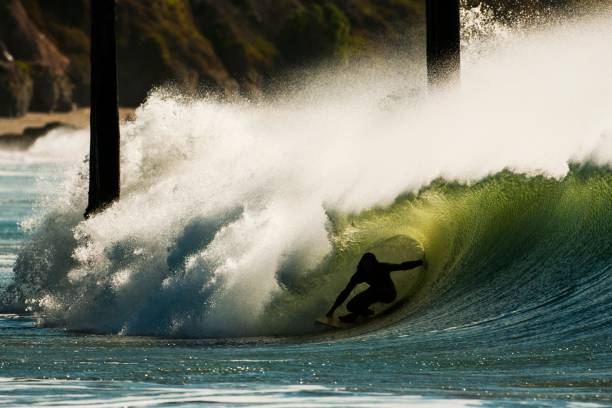
First off, the terminology. A simple wipeout is your garden-variety bail. You lose balance, you pitch off, and you get a good dunking. It’s the surf equivalent of stubbing your toe—annoying, sometimes painful, but you shake it off. Then you’ve got the go over the falls or getting sucked over. This is the big one, the moment of truth on a heavy day. You don’t just fall off the wave; the lip pitches out, the wave throws you up and over its peak, and you get driven straight down into the pit. It’s a washing machine on spin cycle, a freefall into chaos where up and down cease to exist for a few terrifying seconds. You’re in the impact zone, the no-man’s-land where broken waves unleash all their energy.

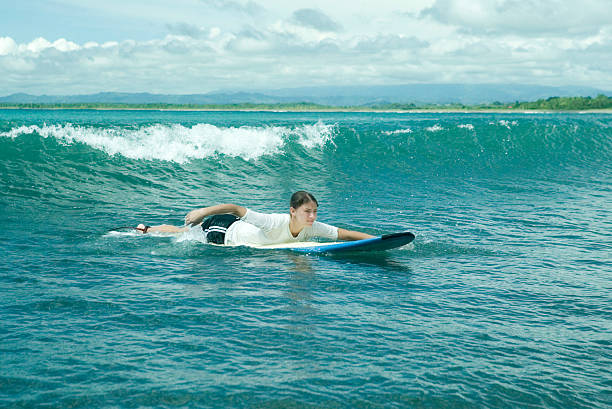
The aftermath has its own vocabulary. Getting worked or ragdolled means you’re being tossed around underwater with zero control, your body flapping like a sock in a dryer. If you hit the bottom, well, that’s self-explanatory and something you want to avoid at all costs, especially over reef. The goal is to resurface, grab a gasp of air, and locate your stick (your board), which is usually attached to your ankle by the leash—a modern invention that has saved countless paddles back to shore but also created its own hazard of getting tangled.

But the wipeout is more than just a physical event; it’s woven into surf culture. You haven’t really surfed until you’ve had a proper drubbing. It’s a badge of honor, a story to tell back on the beach. “Did you see that set? I got absolutely smoked!” It’s the foundation of respect. When you see someone take a horrific wipeout on a massive wave and pop up laughing, you know you’re in the presence of a true waterman. It shows resilience, a respect for the ocean’s power, and a willingness to pay the price for chasing those moments of pure glide.

The psychology is key. Learning to wipeout well is a skill. It’s about staying calm when every instinct screams to panic. It’s about covering your head, going limp to avoid injury, and trusting that the ocean will spit you back out. The fear of the wipeout can be a kook’s biggest barrier, but for those who charge, managing that fear is part of the thrill. You learn to read the wave, to know when to pull back and when to commit, understanding that a committed drop, even if it ends in disaster, is better than a hesitant bail any day.

So next time you’re out there and you see someone take the drop only to get shut down by a collapsing lip, don’t just wince. Nod in solidarity. We’ve all been there. The wipeout humbles us, teaches us our limits, and makes the rides we do make that much sweeter. It’s the dark contrast to the light, the pounding on the shore that defines the shape of the beach. You can’t have the endless summer without a few brutal winters in the impact zone. So embrace the fall, learn from it, and paddle back out. The next wave is always coming.
Related Posts

Live Surf Cams

Surfline Live is a 24/7 glimpse into the world’s surf.

This stream moves through Surfline's global camera network, showing spots where it’s daylight and rated Fair or better.

What's The Deal With...?

Mastering the Waves

How does board volume and shape affect my paddling?

Totally crucial, bro! More volume (width, thickness, length) equals more float and easier paddling. A high-volume board gets you planning quickly and is stable. But once you’re skilled, a lower-volume, more refined shape paddles through the water more efficiently, letting you duck dive easier and position yourself precisely. It’s a trade-off: float helps beginners, while performance shapes demand stronger technique. Choose a board that matches your skill and the waves you’re chasing.

What’s the Deal with Different Wetsuit Thicknesses?

It’s all about water temp, brah. Thickness is in millimeters, like 3/2 (3mm torso, 2mm limbs). Ice-cold winter juice? You’ll want a 5/4 hooded suit. Mild winter or dawn patrol in cooler spots, a 3/2 is your go-to. Summer seshes often just need a spring suit (short arms/legs) or a rashguard. The right thickness keeps you warm without feeling like a stuffed seal, so you can paddle freely and stay in the water longer. Match it to your local break for maximum stoke.

Why is paddling power so crucial for surfing?

Paddling is your engine. Without a strong, efficient paddle, you can’t catch waves, get out back, or position yourself properly. It builds shoulder and back endurance, which is key for long sessions. Think of it as your foundation; everything else—the pop-up, the ride—depends on getting to the wave first. Training with a swim paddleboard or even just consistent swimming will massively boost your stamina and get you catching more set waves instead of watching them roll by.

Surf Culture & Community

Why are the photos in magazines so much better than what I see online?

It’s all about craft and curation. Magazines invest in top surf photographers, giving them assignments and time to get that perfect, timeless shot. The printing process brings out insane detail and color you lose on a pixelated screen. Every image is carefully chosen to tell a story, not just to get quick clicks. Holding a double-page spread of a perfect barrel is an experience that a tiny Instagram square just can’t match. It’s pure, undiluted art.

What’s the ultimate mindset for a surfer in the water?

It’s all about respect and stoke. The Spirit of Aloha means sharing waves, respecting the locals and the ocean, and simply finding joy in the session, whether you’re getting shacked or just connecting with the saltwater. It’s not about being the most ripping person out there; it’s about good vibes, patience, and appreciating the glide. Paddle out with a smile, hoot for your friends, and leave the lineup better than you found it. That’s the true soul of surfing.

Are surf magazines good for keeping up with new gear?

Absolutely, they’re a trusted filter. Instead of wading through endless online ads, mags provide honest, in-depth reviews of the latest boards, wetsuits, fins, and tech from people who actually surf. They test gear in real waves and break down what works and for whom. You get comparisons, tech insights from shapers, and a clear idea of what that new rocket sled might actually feel like under your feet. It’s the best way to shop for your next quiver addition without the marketing hype.