Ripper: A Skilled Surfer

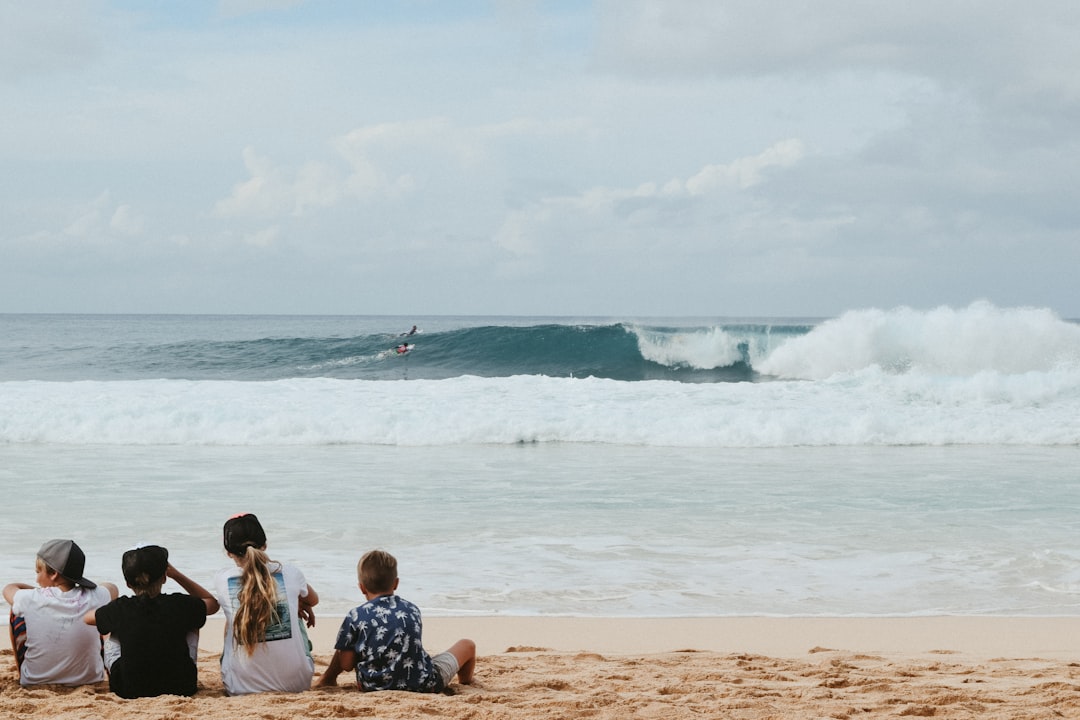
You hear it yelled from the beach, hooted from the shoulder, and dropped casually in surf shop conversations: “That guy’s a total ripper.“ In the lexicon of surfing, few terms carry as much weight or universal respect. Calling someone a ripper isn’t just a casual compliment; it’s an acknowledgment of a surfer who has graduated from simply riding waves to truly dominating them. It’s the ultimate badge of honor in the lineup.

So, what exactly makes a ripper? It’s not just about catching waves. Any kook can luck into a set wave on a soft day. The ripper distinction is earned through a combination of power, style, and an almost intuitive connection with the ocean. A ripper attacks the wave with purpose. They don’t just go down the line; they tear it apart. Think explosive top-turns that send a spray of spit into the sky, critical snaps right in the pocket, and deep, committed carves that draw a line of whitewater up the face. They make the difficult look effortless and the impossible look like just another Tuesday.

The term itself is pure surf speak, born from the action it describes—to rip a wave apart. It’s about aggressive, high-performance surfing. You’ll see rippers in their element when the conditions get heavy. They’re the ones charging double-overhead barrels at Pipeline, threading through heaving sections at Teahupo’o, or finding speed where there seems to be none on a mushy day. They have a deep quiver of maneuvers and the confidence to pull them off under pressure. A ripper isn’t just reacting to the wave; they’re dictating the dance, pushing their equipment to the limit and often redefining what’s possible.

But here’s the crucial nuance: being a ripper isn’t just about aggression. Style is the silent partner to power. There are surfers who hack at the wave with frantic energy, and then there are rippers who flow with a potent, controlled grace. It’s the difference between noise and music. Think of the smooth, powerful arcs of a surfer like Mick Fanning or the innovative, explosive approach of John John Florence. They combine raw ability with an aesthetic that makes you want to watch. A true ripper’s style is their signature.

It’s also important to separate the local ripper from the pro ripper. Every break has its local ripper—the surfer who knows that particular reef or beach break like the back of their hand. They get the best waves, understand the secret currents, and surf it with a home-field advantage that is deeply respected. The pro ripper takes that mastery on a global scale, adapting their high-octane approach to any wave on the planet. Both command respect in their own arena.

In the end, the label “ripper” is bestowed by the community. It’s not something you can claim for yourself. It’s earned through years of dawn patrols, wipeouts, and moments of pure stoke. It’s seen in the way other surfers watch them when they paddle out, giving them a nod of respect and maybe a wider berth on the peak. So next time you’re on the beach and see a surfer linking turns with power and precision, driving through sections with undeniable speed, you know what to call them. Just don’t call them a kook. They’re a ripper, plain and simple, and they’re the ones setting the standard for what it means to really surf.
Related Posts

Live Surf Cams

Surfline Live is a 24/7 glimpse into the world’s surf.

This stream moves through Surfline's global camera network, showing spots where it’s daylight and rated Fair or better.

What's The Deal With...?

Surf Gear & Brands

Are expensive boardshorts really worth it?

Sometimes, yeah. A higher price tag often gets you better tech: superior four-way stretch, lighter yet tougher fabrics, more eco-conscious materials, and cleaner seam construction that prevents rub. It’s about performance and longevity. But a mid-range pair from a core surf brand can be totally epic, too. Don’t just pay for the logo. Pay for the features that matter to you—like a specific fit, a sustainable build, or proven durability. The best pair is the one that feels invisible in the water and lasts more than one summer.

How can a shop help me choose the right board for my skill level?

Walk in and talk story! The groms working there have seen every kook and charger in the water. They’ll ask about your experience, the waves you typically surf, and what you’re dreaming of riding. They’ll let you feel the difference between a fish and a gun, explain why volume matters, and might even point you to a local shaper for a custom stick. It’s personalized advice you can’t get from a dropdown menu online, ensuring you get a board that progresses your surfing, not hinders it.

What’s the proper way to install a traction pad?

Keep it simple. Clean the deck with rubbing alcohol so it’s bone dry and grease-free. Don’t peel the whole backing at once—start with the tail kick, align it perfectly with the board’s tail, and press it on. Then slowly work your way forward, smoothing out bubbles as you go. Take your time to get it straight; a crooked pad is a permanent buzzkill. Let it cure for a few hours in the sun before you paddle out for the best bond.

Surf Culture & Community

How do surf shops contribute to the local vibe?

They’re the clubhouse, brah! Beyond selling wax and boardshorts, they’re the info hub. You get the latest report, hear stories, and feel the community pulse. Staff are usually frothing locals who’ll give you honest beta. They host demos, movie nights, and contests, bringing everyone together. Supporting the local shop keeps the scene alive and independent. It’s where you go to truly plug into the culture of the place.

What is surf therapy and how does it help?

Surf therapy is about healing through saltwater and stoke. Organizations use surfing as a tool to help veterans, at-risk youth, or people with disabilities. The ocean’s rhythm, the focus needed to pop up, and the pure joy of riding a wave build confidence, peace, and resilience. It’s not about shredding; it’s about the therapeutic power of connection—to the sea, to a board, and to a supportive community. The results are often life-changing.

What makes each surf spot’s culture so different?

It’s all about the recipe, dude. The wave itself—point break, beachie, or reef—sets the foundation. Then you add the locals, the town’s history, the water temp, and even the access. A chilly NorCal point breeds a different vibe than a busy SoCal beach break or a remote Indo lineup. It’s the mix of terrain, community, and pure stoke that creates a spot’s unique soul. Respect that, and you’ll always score better waves and better times.