Cutbacks: Changing Direction with Style
Live Surf Cams

Surfline Live is a 24/7 glimpse into the world’s surf.

This stream moves through Surfline’s global camera network, showing spots where it’s daylight and rated Fair or better.

What’s The Deal With…?

Surf Technique Deep Dive

You want a board with good rail-to-rail agility and hold. Rounded pin or squash tails offer pivot and release. A bit of rocker through the tail helps you stay in the face during the turn. Ultimately, a board with clean curves and defined rails will give you the bite you need to really lay into it.

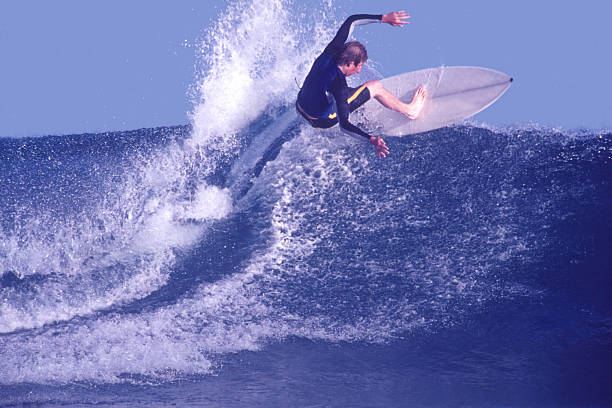
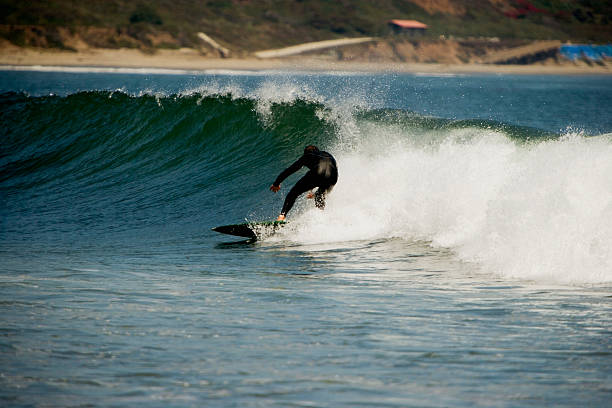
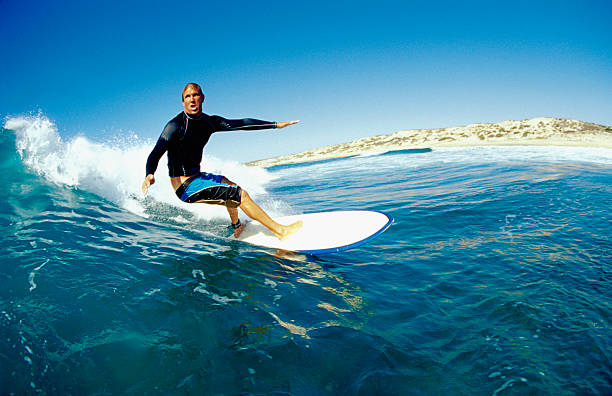
Totally! Old-school 70s soul-arcs were drawn-out, graceful carves. The 80s saw more vertical, aggressive re-entries. Modern high-performance cutbacks are often combined with snaps or preceded by an aerial. Each era’s equipment and philosophy shaped the style—from noseriding longboards requiring big, sweeping turns to shortboards allowing explosive redirections.

They usually rush it or don’t commit. The classic error is just doing a weak, off-the-top turn without really driving the rail back toward the energy. You gotta wind up and really project back toward the foam ball. Another common flub is looking down at your feet—your board follows your eyes, so look where you want to go!

Surf Technique Deep Dive

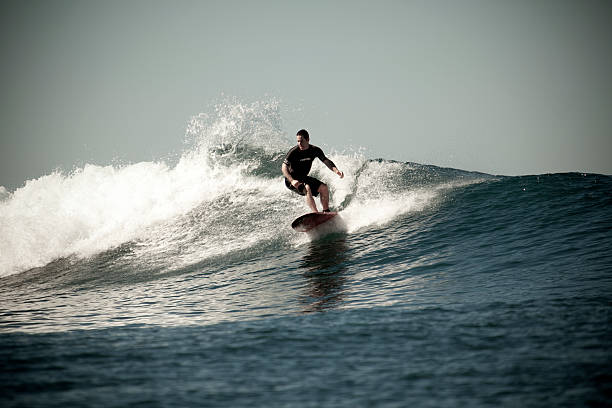
On a fast, hollow wave, your cutback needs to be snappy and high-performance to get back to the pocket quickly. On a slower, mushy wave, you can draw it out more, laying into a big, carving, soul-arc turn. Reading the wave’s speed and section is key to timing it right so you don’t lose all your momentum.

The cutback is the ultimate connector. A classic flow is a bottom turn, a snap off the lip, then a cutback to reset. Or, after a deep cutback, you can rebound off the whitewater for a re-entry or set up for a floater. It’s the punctuation in your wave-riding sentence that lets you start a new one.

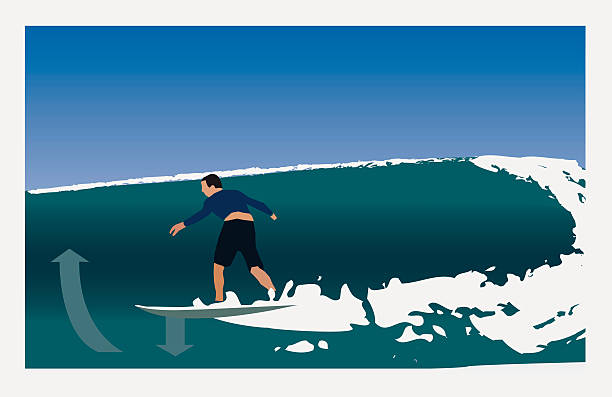
All cutbacks are carves, but not all carves are cutbacks. A carve is any turning maneuver where you dig your rail. A cutback is a specific type of carve where you turn back toward the breaking part of the wave. It’s a directional change to get back to the juice, while a carve can be any turn down the line.