All Articles

Live Surf Cams

Surfline Live is a 24/7 glimpse into the world’s surf.

This stream moves through Surfline’s global camera network, showing spots where it’s daylight and rated Fair or better.

What’s The Deal With…?

Mastering the Waves

Match the leash length to your board size, generally. A 7-foot board needs a 7-foot leash. Bigger waves or guns demand a thicker cord (like 9mm+) for extra strength so it doesn’t snap on a heavy wipeout. Coiled leashes are great for longboards to avoid tangling. A good leash has a solid swivel to prevent tangling and a comfortable calf strap. Remember, it’s your lifeline to your board—don’t go for the cheapest option. It keeps you and others in the lineup safer.

They’re scoring commitment, degree of difficulty, and innovative, powerful surfing. It’s not just about one big move. Judges want to see a combination of major maneuvers—critical snaps in the pocket, deep tube rides, progressive aerials, and powerful carves. Flow and variety are key; linking turns with style and speed. A perfect 10 is usually a near-impossible barrel or a sequence of radical, committed moves. It’s about making the hardest stuff look effortless.

Stoked you want to bring the vibe home! Check out local galleries in coastal towns—they often feature amazing artists. Online, sites like Etsy or Society6 have tons of independent creators selling prints. Don’t forget about vintage surf magazine posters or high-quality prints from legendary surf photographers. Even a well-loved, sun-bleached old board mounted on the wall is the ultimate art piece. Support artists who live the life!

The Surfing Life

Think about your local breaks and what you want to ride. Every board has a purpose. A good shortboard for good days, a funboard or longboard for smaller days, and maybe a step-up for bigger, heavier waves. Don’t just get what the pros ride. Talk to local shapers—they know what works for your beaches. Your quiver should evolve with you. It’s about having the right tool for the conditions to maximize your water time.

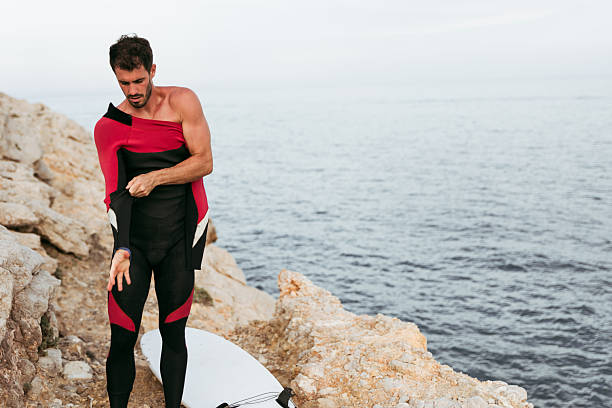
It’s all about water temp, dude. In chilly zones (below 58°F/14°C), you’ll want a 4/3mm or even a 5/4mm with boots, gloves, and a hood. For most temperate climates, a 3/2mm is the go-to year-round suit. In tropical or summer water, a 2mm spring suit or just boardshorts and a rashguard will do. Being too cold is a session killer, so when in doubt, go a mm thicker!

They used what the ‘āina (land) provided, brah. After selecting the right tree, they’d use hand-held basalt stone adzes to rough out the shape. Smoother stones and coral blocks were used for sanding, and finally, they’d finish with a polish using natural oils from plants or even the kukui nut. It was a slow, sacred process, often accompanied by prayers. The craftsmanship was next-level, turning a log into a functional art piece through sheer skill and patience.