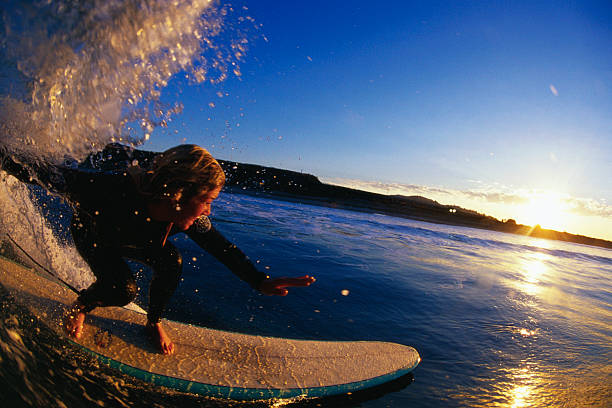
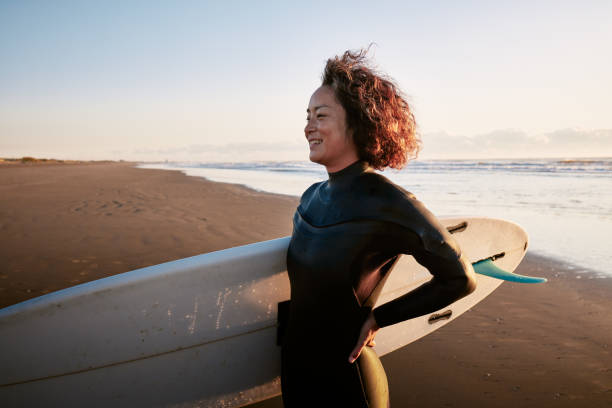
When you paddle out on a crystal clear morning and the lineup is buzzing with that electric energy that only a solid swell can bring, the last thing on your mind is the thin, coiled piece of urethane wrapped around your ankle. But that humble strip of plastic, that simple surf leash connecting you to your stick, is the difference between a session that lives in legend and a morning spent doggy-paddling after a runaway board while the rest of the crew picks off wave after wave. Let’s talk about the leash, because this essential extra is way more than just a cord keeping you from becoming a kook swimming for the channel.
Back in the day, before the leash became standard issue for every shredder from Malibu to the North Shore, losing your board meant a serious swim. The old-school legends, the guys who rode those heavy, glassed-in logs with no forgiveness, they had to be able to body surf their way back to shore if they got pitched. Dragging a tether was considered a sign of weakness, a crutch that kept you from really learning how to control your stick. But then came the age of shorter boards and more radical maneuvers, and suddenly, having a board fly back at the pier or into a buddy’s noggin became a real problem. Enter the leash, the unsung hero that quietly revolutionized the sport.
The modern leash isn’t just a piece of cord; it’s a carefully engineered piece of surf gear that can save your session and your life. You’ve got your straight leashes, which are heavy-duty and built for big waves where you need minimal drag and maximum connection to your board when you get rag-dolled in the impact zone. Then you’ve got your coiled leashes, the go-to for everyday surfing on smaller days. That coil isn’t just for looks; it keeps the leash out of the water when you’re paddling, reducing drag and keeping that slack from tangling around your ankles like a sea monster. For the daily grind, for chasing the sun and logging a few hours of soul surfing like those guys in The Endless Summer, a good coiled leash keeps things clean and hassle-free.
Choosing the right leash is about matching it to your quiver and your conditions. If you’re riding a big gun out at a reef pass or a heavy beach break, you want a thick, 8mm or 9mm cord with a serious cuff and a strong swivel. That thing has to withstand the torque of a ten-foot wave trying to rip your board away from you. For your everyday shortboard or a fun fish, a 7mm or 8mm straight or coiled leash is the sweet spot. And if you’re on a longboard, a longer, thinner coiled leash keeps the board close without that heavy tug. The cardinal sin, the move that marks you as a true kook, is running an old, beat-up leash with a frayed cord or a rusted swivel. That’s a failure waiting to happen right when the biggest set of the day rolls in.
The most critical function of the leash, beyond saving you the swim, is safety. Sure, it keeps your ride from washing up on the rocks, but it also keeps the lineup safe. A loose board in a crowded lineup is a potential disaster. That piece of foam and fiberglass hitting the water with the energy of the wave behind it becomes a projectile. Having a leash means you’re keeping your gear, and by extension your fellow surfers, out of harm’s way. It’s the difference between being a considerate member of the tribe and being the guy everyone secretly groans about when they see you heading for the water.
Don’t neglect your leash. Rinse it with fresh water after every session, especially if you’ve been in saltwater all morning. Check the rail saver, the little piece of fabric or plastic that protects your rail from the leash knot. Make sure the Velcro on the cuff is still sticky and holding tight. A leash is a consumable piece of surf gear, like a fin or a traction pad. When it starts showing signs of wear, when that urethane gets brittle or that swivel gets stiff, swap it out. It’s cheap insurance for a full day of chasing waves.
So next time you wax up that stick and tie on that rail saver, give your leash a little respect. It’s the quiet gear that lets you take risks, push your limits, and surf with confidence. It’s the essential extra that makes the whole endless summer possible, keeping you connected to your board so you can focus on what really matters: the next wave, the next glide, and that feeling of freedom that only comes from being locked in with the ocean.