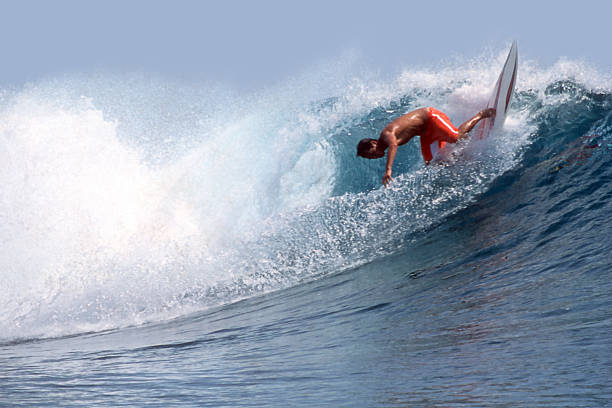
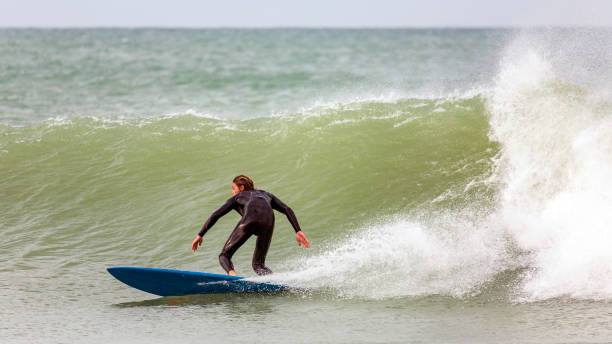
You paddle out at dawn, the water glassy and clean, the sets rolling in like they were made just for you. You’re stoked, fully present, feeling the pulse of the ocean beneath your board. But before you even dropped in on that first wave, you slapped on a coat of protection against the sun. Good on you. But here’s the rub: that lotion you’re wearing might be doing more harm than good to the very lineup you love.
We surfers live in the ocean. It’s our church, our gym, our chill spot. We owe it everything. And yet, a lot of us are unknowingly polluting the waves with ingredients that are straight-up bad news for the reef. It’s time to talk about the stuff we’re smearing on our skin before we paddle out, because what’s good for your shoulders isn’t always good for the water.
The main problem comes down to two chemical compounds: oxybenzone and octinoxate. These are common active ingredients in many mass-market sunscreens. They work by absorbing UV radiation and converting it into heat, which then leaves your skin. Sounds fine, right? Not for the coral. When these chemicals wash off your body into the ocean, even in tiny amounts, they cause coral bleaching, deformities in juvenile coral, and damage to coral DNA. In places like Hawaii, where the waves are sacred and the reefs are the heartbeat of the island, these sunscreens have been banned outright. Places like Palau, the U.S. Virgin Islands, and parts of Mexico have followed suit. That’s not just a local rule; it’s a wave of change we all need to catch.
Now, you might think a little sunscreen can’t hurt. But when thousands of surfers, swimmers, and tourists are all waxing up and hitting the shore, that “little” becomes a big problem. The chemicals don’t just vanish. They hang around in the water column, they get sucked up by filter-feeding organisms, and they accumulate in the food chain. That same reef that holds up the waves you love? It’s suffocating.
So what’s a surfer to do? The answer is simple and it’s called mineral sunscreen. Also known as physical sunscreen, this stuff uses zinc oxide or titanium dioxide to create a physical barrier on your skin that reflects UV rays. It doesn’t seep into your bloodstream or into the coral. It sits on top of your skin like a shield. And when it washes off, it settles as inert particles that don’t mess with marine life. That’s a trade-off you can feel good about.
But not all mineral sunscreens are created equal. You want to look for “non-nano” zinc oxide. The nano-sized particles are so small that some marine organisms can still ingest them. Non-nano particles are larger and stay where they belong. Also, check the label for “reef-safe” certification from a reputable source like the Protect Land + Sea certification. Trust the brands that surfers actually use and respect. Companies like Manda, Sun Bum (check for their reef-friendly line), and All Good make mineral formulas that don’t leave you looking like a ghost. They go on a little thicker and might leave a white cast at first, but rub it in good and it blends. Plus, that white nose stripe is a classic surfer look anyway.
Application matters, too. Don’t just glob it on at the car and hit the beach. Put it on at least fifteen minutes before you get in the water. That gives it time to set and bond with your skin. Reapply every two hours, or more if you’re wiping out a lot or sweating up a storm during a summer session. And use a generous amount. The average adult needs about a shot glass full to cover their whole body. Skimping means you’re not protecting your skin or the reef.
Also, think about what you’re wearing. A good wetsuit or rashguard covers a lot of real estate. That means less sunscreen needed. If the water’s warm, throw on a long-sleeve sun shirt. You’ll stay cooler, avoid sunburn, and keep the chemicals out of the water. It’s a win-win.
Here’s the deeper takeaway. Surfing isn’t just a sport. It’s a lifestyle built on respect for the ocean. That means respecting the life within it. Every time you paddle out, you are a guest in a living ecosystem. The reef is not just the bottom of the wave. It is the wave. Without healthy coral, you lose the structure that shapes the swell, the habitat for the fish, and the clarity of the water. It’s all connected.
The next time you grab your board, check your sunscreen first. That small choice, the choice to go mineral and reef-safe, is a silent act of aloha. It’s a way of saying that you care about tomorrow’s waves as much as today’s. And when you’re sitting out the back, waiting for the next set, you can look down through the crystal water at the coral below and know you’re not killing it. That’s a feeling better than any barrel.
So wax up, suit up, slather on the good stuff, and drop in. The ocean will thank you.