Surf Travel Adventures

•

Live Surf Cams

Surfline Live is a 24/7 glimpse into the world’s surf.

This stream moves through Surfline’s global camera network, showing spots where it’s daylight and rated Fair or better.

What’s The Deal With…?

Surf Travel Adventures
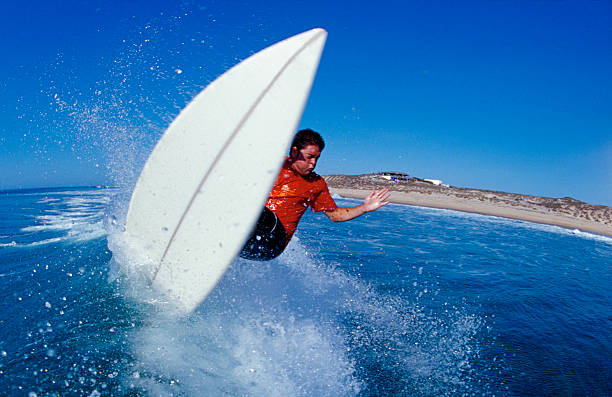
It totally varies, dude. Point breaks often have a more established lineup hierarchy, while beach breaks can be more spread out and chill. Reef breaks demand respect and local knowledge. The golden rule everywhere: don’t drop in, don’t snake, and always apologize if you mess up. Spend time watching from the beach to suss out the pecking order and the take-off zone. A friendly attitude and a smile go a long way in any lineup.

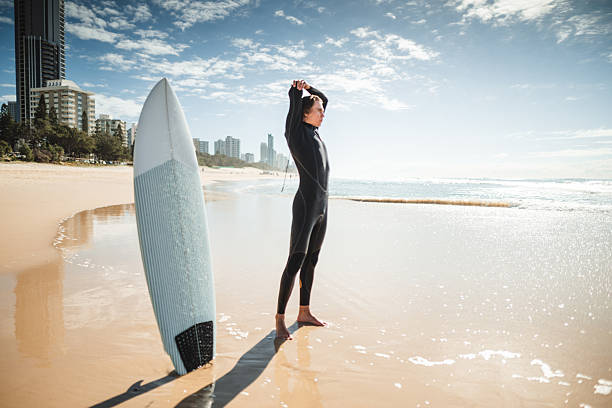
Invest in a good, padded travel bag—it’s a game-changer. Use a board sock for each stick, and pack clothes and towels around the nose, tail, and rails for extra cushioning. Remove your fins and leash, and pack ’em in your luggage. Don’t forget to check the airline’s fee structure; some are way more surf-friendly than others. A pro tip: throw in a few extra fin screws and a ding repair kit, just in case.

The key is to do your homework and get adventurous. Study swell charts for spots that need a specific direction, look for places a bit of a trek from the main parking lot, and consider traveling in the shoulder seasons. Dawn patrol is always your best friend, even on a trip. Sometimes the best sessions come from just driving and exploring a coastline with a few trusted mates, keeping an eye out for that sneaky little peak no one’s on.

Surf Travel Adventures
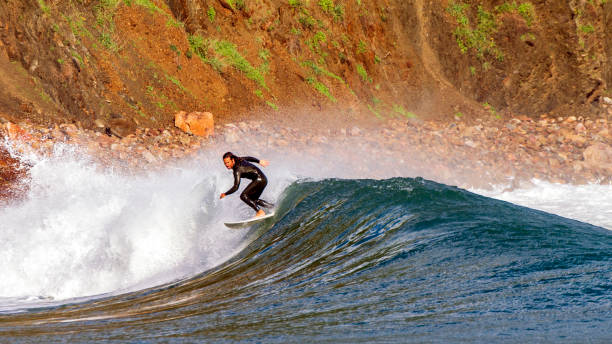
A reliable ride, a solid roof rack, and a sense of adventure. Pack a solid first-aid kit, extra leash strings, wax, and a repair kit. Keep your schedule loose to chase the swell. Camping gear lets you stay close to the action. Most importantly, bring the right mindset: it’s about the journey, the empty lineups you discover, and the weird roadside snacks, not just the destination. Score some waves, but soak in the whole experience.

Observe before you paddle out. Give respect to get it. Don’t mob the peak with your whole crew. A simple greeting can work wonders. Support local businesses—buy food, rent gear, pay for parking. Leave the beach cleaner than you found it. Understand that you’re a guest in their ocean. It’s not just about waves; it’s about people. This good karma often leads to better waves and cooler connections in the long run.

Match your quiver to the forecast if you can. Bring a good daily driver, but consider a step-up for bigger days and maybe a fish or groveler for smaller ones. If you can only bring one board, make it an all-rounder. The real trick is to paddle out with confidence but also humility—watch for a set or two first. Every wave has its own rhythm; take your time to learn it instead of just charging straight in.