There is a moment when you are standing on a cliff above the Atlantic, watching a set pulse in from the northwest, and you realize that time is not measured by clocks or calendars but by the movement of the ocean itself. Morocco is a place that humbles you with its raw beauty and rewards you with waves that have been breaking since long before any of us picked up a board. For the traveling surfer, timing is everything, and the question of when to point your van toward the North African coast is one that deserves real thought. The best time to visit the surf spots of Morocco is not simply a matter of looking at a chart and circling a month. It is about understanding the rhythm of the swell, the dance of the wind, and the heartbeat of a culture that welcomes surfers with mint tea and open arms.
The prime window for a Moroccan surf adventure begins in the northern hemisphere autumn and stretches through the winter, roughly from October through March. This is when the North Atlantic cranks up its production of groundswells, sending long-period energy hurtling toward the coast of Essaouira, Taghazout, and the legendary point breaks that curl around the headlands. The water temperature stays mild enough that a good 3/2 wetsuit will keep you right, and the air holds that crisp, clean feeling that makes paddling out at dawn feel like a religious experience. The lineup at spots like Anchor Point and Boilers can get crowded during the peak of winter, especially when word gets out that the swell is pumping, but the sheer abundance of waves means that anyone willing to paddle a little further or walk a little more can find a peak to themselves.
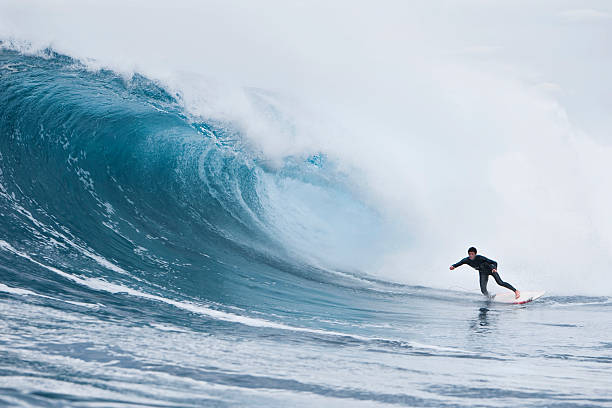
What makes the autumn months so special is the transition. The summer crowds have thinned out, the intense heat has softened, and the first serious swells of the season start rolling in with a consistency that makes you want to cancel your return flight. October is often a sleeper month, with wave heights building through November and December. The wind tends to cooperate more during these months as well, with offshore breezes grooming the faces of the waves into glassy perfection for the early morning sessions. By January and February, you are in the heart of the winter swell season, and the sets can get serious. This is not a time for beginners to be charging the outer reefs, but for the experienced surfer who loves a bit of size, it is pure stoke.
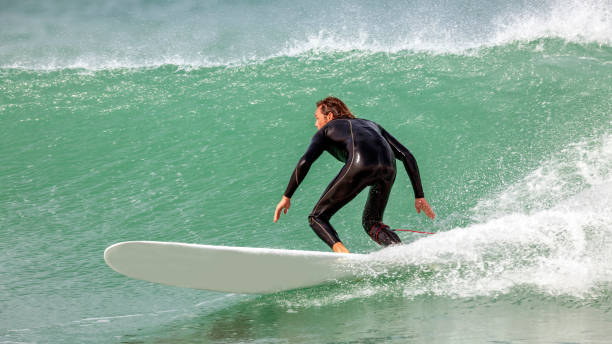
The spring months of March and April offer a different kind of magic. The swells are still rolling in, but they become less predictable, mixing in some smaller days that are perfect for logging or cruising on a funboard. The days grow longer, the sun sits higher in the sky, and the whole vibe mellows out. This is a great time for a trip if you are looking to avoid the winter crowds and still catch some solid waves. The trade-off is that you might have to wait a few extra days for a big swell to fill in, but that just gives you more time to explore the souks, drink the local tea, and soak in the landscape that makes Morocco feel like another planet entirely.
Perhaps the most important factor to consider is the wind. The famous Levante wind can blow hard and onshore during certain parts of the year, chopping up the waves and making conditions difficult. The best window tends to avoid the strongest Levante periods, which is another reason why autumn and early winter are favored. When the wind is right, and the swell is lined up, there is no place on earth that feels more alive. The mountains rise up behind the beaches, the camels walk along the shore at sunset, and you find yourself sitting in the channel, watching the next set approach with a grin that does not fade.
To truly experience the endless summer that every surfer carries in their heart, you have to be willing to chase the conditions, not the dates on a calendar. Morocco gives you that opportunity in a way that few places can match. The best time to visit is when the ocean calls you, and you have the courage to answer.