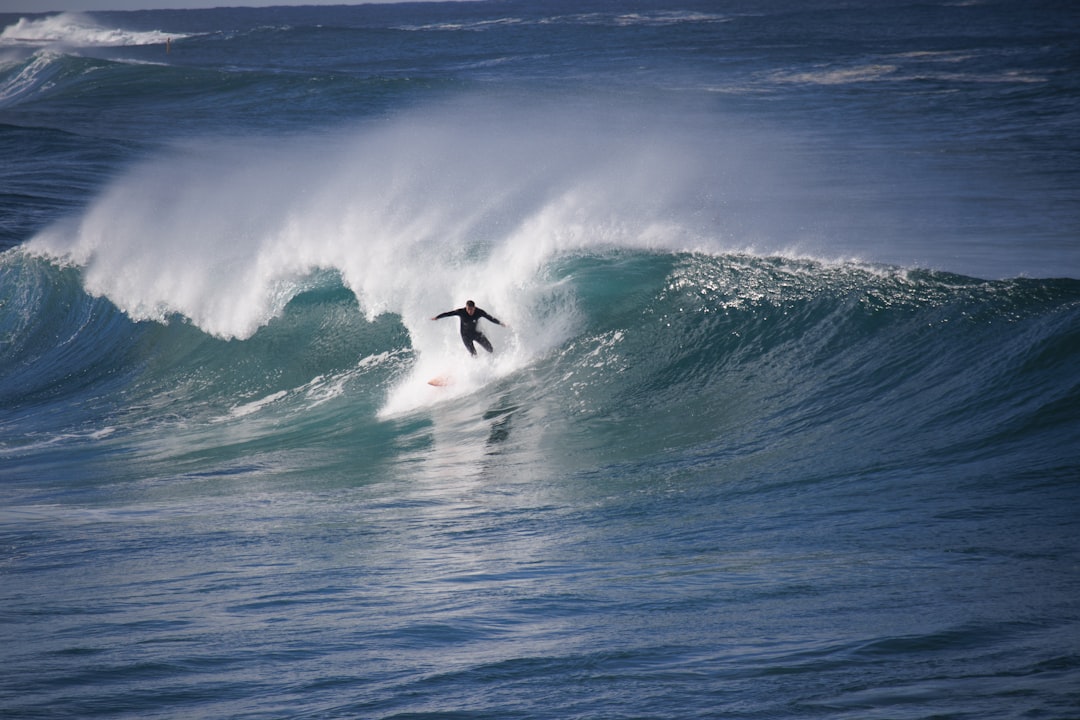
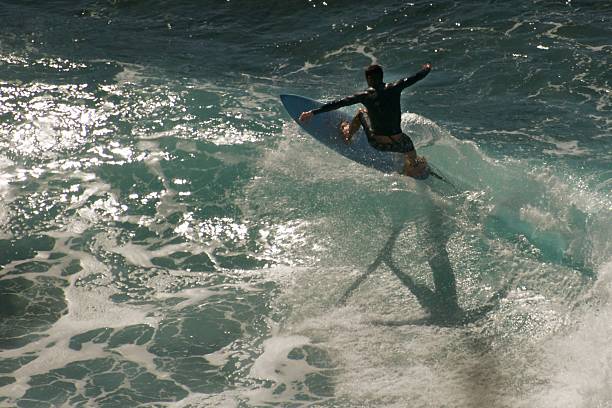
There is something sacred about waking up with the sun already on your face, the sound of a peeling right-hander filtering through the mesh of a tired tent, and the smell of salt and coffee mixing in the cool morning air. It is the purest form of surf travel, stripped of all the shiny nonsense that the industry tries to sell you. This is the surfari camping trip, the budget traveler’s ultimate ticket to the endless summer, and it is how the soul of surfing stays alive when the wallet is flat and the wanderlust is deep.
The first rule of budget surf travel is simple: your house is on your back. You do not need a five-star resort with a swim-up bar when you have a three-season tent and a good sleeping bag. The real luxury is being parked fifty yards from a world-class beach break, knowing you will be first in the water when the offshores groom the bumps into clean, hollow walls. The cost of a single night in a mid-range hotel near a famous point break can cover a week of campsite fees in most of the world’s best surf destinations. In Baja, a spot on the sand often costs nothing more than a friendly wave to the local fisherman. In Costa Rica, the jungle campsites along the Nicoya Peninsula run on a donation basis and the sounds of howler monkeys replace your alarm clock. This is the way surfing was meant to be found: on your own time, on your own dime, with nothing between you and the ocean but a thin wall of nylon.
Of course, the surfari life requires a different kind of gear list. You do not pack board bags full of quiver options; you pick one trusty twin-fin or a versatile egg that can handle a waist-high sloppy day and a chest-high clean face alike. That board rides shotgun in the car, strapped down with bungee cords and old towels, a constant reminder of why you are out here. The rest of your trunk is a survival kit: a camp stove, a can of beans, some tortillas, a couple of wetsuits if the water runs cold, and a stack of reef booties because no one wants to spend a trip limping from sea urchin spines. You learn to read tide charts by firelight, to predict swell direction by the way the clouds stack on the horizon, and to accept that fresh water is a luxury, not a right.
The mechanical side of this life matters more than most people realize. A reliable vehicle is the foundation of any budget surf mission. It does not need to be fancy, but it needs to run cool and carry you deep into the dirt roads where the crowds cannot follow. The back of a minivan, a ravaged station wagon, or even a beat-up sedan with the seats folded flat becomes your living room, your changing room, and your dry storage for wetsuits. You learn to cook one-pot meals over a single burner, to hang a wet wetsuit from a tree branch without it ripping, and to sleep with your head downhill so the wax on your board does not melt into a sticky mess in the morning heat.
There are downsides, and any grom with a few years under their belt will tell you the hard truths. Sand finds its way into everything, from your coffee grounds to your sleeping bag liner. The wind can howl at two in the morning and collapse a cheap tent. And nothing kills the stoke faster than waking up to a full bladder and a fifty-yard dash to a questionable gas station bathroom. But the pros chew up the cons like a shaper grinding down a rocker. When you are camping on the beach in Nicaragua, tucked under a palm tree with your board leaning against a rock, and you paddle out at dawn to find a perfectly empty lineup, the discomfort fades into a distant memory.
The ultimate payoff is not just the money you save. It is the connection to the journey itself. You meet the old salt who lives in a van down by the rivermouth and knows the exact sandbar configuration for the best lefts of the season. You share a fire with travelers from Japan, Brazil, and South Africa, trading surf stories and waxing poetic about the one that got away. You learn that the best waves are not found on any map or app, but by driving until the road ends and the reef begins. That is the budget surf travel ethos, and it is the closest thing to the endless summer that a broke surfer with a full tank of gas and a dream can ever hope to find. The ocean does not care how much money you have. It only cares that you show up.