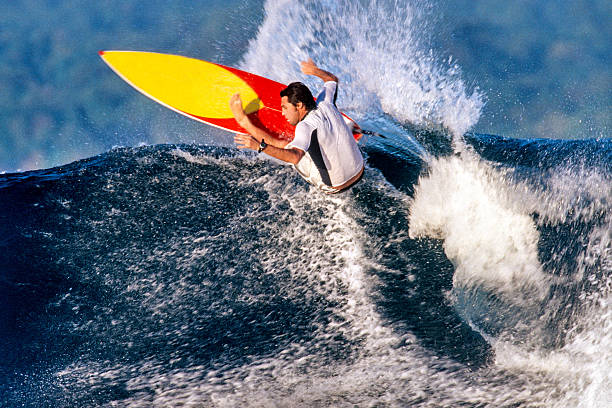
You’re sitting in the lineup at a remote reef pass, the sun doing its golden thing on the horizon, and there’s no one else out except a couple of local kids on foamy boards. The water is so clear you can see the corals swaying like they’re dancing to some ancient rhythm. You caught a sick barrel an hour ago, and the stoke is still buzzing in your veins. Then you look down and spot a plastic bag drifting past your leash. A Styrofoam cup bobs near the channel. The magic flickers, just for a second. That’s the moment you realize: the waves we chase are only as pristine as the way we chase them. Responsible surf tourism isn’t some buzzword from a glossy magazine—it’s the quiet promise that the next dawn patrol, in the next village, with the next crew of groms, can still get that same glassy moment without paddling through someone else’s trash.
Let’s be real. Surf travel is an act of privilege. You pack your boards, grab your passport, and fly halfway across the globe to a break you’ve seen in films. That flight alone dumps carbon into the sky. The accommodation, the rental car, the plastic water bottles you grab after a sweaty session—it all adds up. But the answer isn’t to stop traveling. That would be like telling a fish to stop swimming. The answer is to travel with more awareness, to leave each spot better than you found it, to turn your stoke into a force that protects the very places that fuel it. It’s about becoming a conscious wave rider, not a kook who leaves a trail of broken fins and empty chip bags.
Start with the basics, the low-hanging fruit that any surfer can grab. Bring your own reusable bottle, and fill it from a filter or a big jug at your hostel. Skip the single-use sunscreen that washes off and bleaches reefs—use reef-safe zinc, the kind that doesn’t turn the water into a chemical soup. Pack a small bag for trash, and pick up any plastic you see floating in the lineup. It’s not hard. You’re already sitting there waiting for sets. A little reach and grab is nothing. That simple act of picking up stray debris sends a ripple through the local community. They see you caring, and they start caring more too. It’s called surf karma, and it’s real.
Beyond the physical litter, think about the local surf economy. When you travel to a place like Bali, Mexico, or the Mentawais, your money can either lift the locals or lock them out of their own waves. Stay at locally owned guesthouses, hire local boat captains, eat at the warungs and taquerias that don’t have English menus. Pay fair prices for repairs, tips for boat crew, and don’t haggle like a tyrant over a few dollars that mean nothing to you but everything to a family running a small homestay. Respect the local lineup hierarchy. You might be a hotshot back home, but over here, you’re a guest in their backyard. Don’t drop in on the village elder. Don’t burn the takeoff zone. Learn a few words of the language, even if it’s just “thank you” and “great wave.” That politeness goes further than any wax job.
Another huge slice of responsible travel is reef and sand awareness. We all love that shallow barrel, but dragging your leash over live coral or planting your fins on the reef while you catch your breath destroys the very structure that creates the wave. Let go of the wave and paddle back out instead of standing on the coral. Climb over rocks on the beach, not through the sensitive dune plants. And when you’re choosing a spot to stay, pick one that’s not built right smack on the beach with erosion controlling seawalls. Ask questions about wastewater treatment and their plastic footprint. Be willing to pay a few extra bucks for a place that’s doing things right.
The deeper lesson here is that we are all connected by the same ocean. A plastic bottle tossed in South Africa can end up on a beach in Australia. A carbon-heavy flight today means higher water temps tomorrow, and rising seas that swallow the very reefs we surf. But here’s the good news: surfers have always been stewards of the sea. We were the first to protest big oil off the coast of California, the first to fight for coastal access and marine protected areas. We know that when the ocean thrives, we thrive. So carry that mentality abroad. Choose to fly less often but stay longer. Trade that weekend dash to a nearby break for a two-week immersion in a new culture. Offset your emissions by supporting restoration projects, or just plant a few mangroves with a local NGO while you’re in the archipelago. That’s the kind of engagement that makes a difference.
At the end of the day, responsible surf tourism isn’t about being perfect. It’s about being present. It’s about acknowledging that every wave we catch is a gift, and that gifts are meant to be shared and protected. Next time you’re out at that reef pass, take a look around—not just at the swell lines but at the kids on the beach, the fish below, the sky above. You’re part of something huge. Paddle lighter, travel deeper, and leave only a ripple.