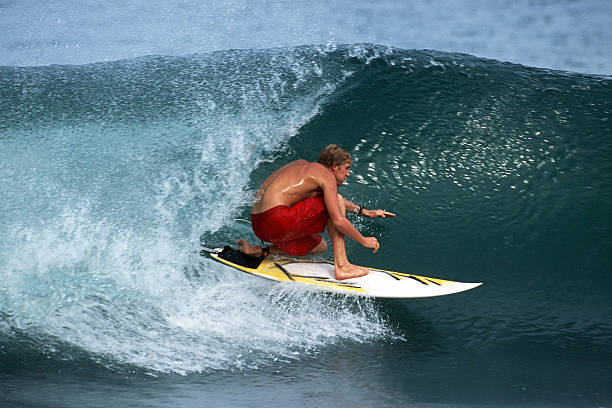
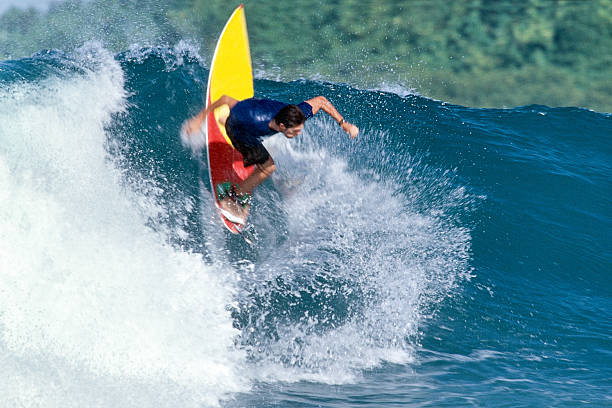
There’s a special kind of magic that happens when the only thing between you and a world-class sandbar is a little bit of gas money and a whole lot of gumption. You don’t need a five-star resort to score the best surf of your life. In fact, some of the finest waves on the planet are best appreciated from the back of a dusty van, a rattling wagon, or, if you’re really living the dream, a tricked-out minivan you scored for under two grand. This is the true soul of the surfari, the low-budget approach that gets you closer to the tide, the swell, and the raw pulse of the ocean than any hotel room ever could.
Let’s talk about the rig. You don’t need a sprinter van with solar panels and a fancy espresso machine. What you need is a flat surface and a system. A station wagon with the seats folded down is a palace. A hatchback with a roof rack and a sleeping bag in the back is a temple. The trick is to keep it simple. A memory foam mattress topper cut to size changes everything. A couple of good storage bins for your dry goods and a cooler that actually stays cold are your best friends. You keep your wetsuit in a mesh bag hanging from the headrest so it can dry out while you drive. Your sticks go up top in a soft rack or a locked tube. Every inch of space has a purpose, and that purpose is to get you to the next point break with a smile on your face.
The beauty of this kind of travel is that it strips away everything unnecessary. You aren’t worried about check-in times or room service. Your schedule is dictated by the tide charts and the wind reports. You find yourself pulling over at two in the morning because the stars are out and the road is deserted, and you know that if you push a little further, you’ll be the first one in the water at dawn. The greatest luxury is waking up to the sound of the ocean, stepping out of your car in your boardshorts, and paddling out before the crowd even finds the parking spot. That is a feeling no credit card can buy.
Of course, the budget surfari comes with its own set of challenges. You learn to surf the local conditions, not the ones you hoped for. When the north wind is ripping the face off your favorite break, you don’t pout. You drive thirty minutes to the south side of the point that is usually gutless but is now glassy and peeling. You learn the value of a good thermos of coffee and a simple breakfast of oatmeal and a banana. You learn to ask the old salt at the gas station where the waves are breaking, and you learn to trust his answer over the forecast. You learn that the best food is the food you cook over a camp stove on a beach that has no name, with sand in your eggs and salt in your hair.
This lifestyle is not for everyone. It is for the dedicated, the obsessed, the ones who understand that a good swell is a fleeting gift. It’s about chasing the endless summer on a shoestring. You meet other travelers on the same wavelength, sharing a lineup and a sunset beer, exchanging tips about a secret reef down the coast. You find a brotherhood in the struggle of the flat spell and the joy of the overhead day. You realize that a quiver of three good boards and a reliable van is a richer life than a garage full of high-end equipment you never get to use.
So if you are sitting there, dreaming of a trip but thinking your wallet is too thin, just go. Throw a bag in the car, grab your wettie, and point the hood towards the coast. The waves are waiting, and they don’t care if you arrived in a Porsche or a prius. They only care if you show up with respect and a stoke for the ride. The budget surfari is not a compromise. It is the purest form of the chase. It is the real deal, and it is yours for the taking.