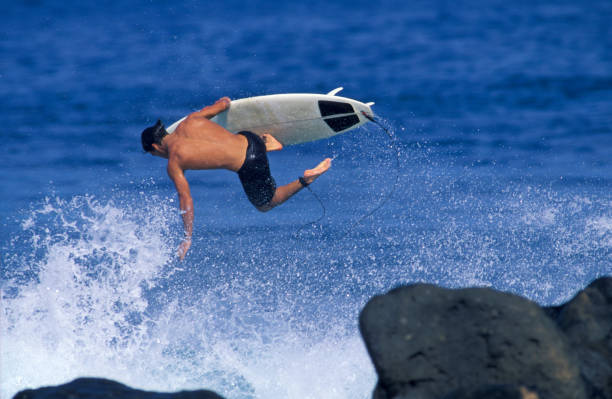
There’s a raw, undeniable pull when you paddle out at a wave you’ve only ever seen in grainy clips, halfway across the world from your home break. The water is a different blue, the reef a different shade of purple and pink, and the air smells of frangipani and salt instead of your usual diesel and damp sand. That feeling, that stoke of discovery, is the soul of the surfari. But the ultimate wave hunt isn’t just about the biggest swell or the hollowest tube. It’s about how you leave the place you just scored. The old-school vibe of just showing up, charging, and splitting is fading faster than a dying swell. The new dawn patrol is all about respect, and it starts the second you step off the plane.
Think about it. You’ve been dreaming of this wave since you saw it in The Endless Summer. You’ve saved your coin, packed your quiver, and dodged the baggage fees. You get to this perfect, left-hand point break and the lineup is twenty guys deep. Your first instinct might be to snake the inside or drop in on some local just to get a piece of the action. But that, bro, is a guaranteed way to get your fins kicked and your stoke shattered. That’s the ghost of localism past, the territorial spirit that made so many exotic breaks hostile. The world is smaller now, and that wave is their backyard. You are a guest in their living room.
Responsible surf tourism isn’t about being a passive observer. It’s about being a quiet drop-in. It starts with the simple, golden rule of the lineup: respect the pecking order. Watch. Wait. Learn the rhythm of the set. Who’s the boss wave hog? Who’s the local shredder giving away waves to the kids? You earn your keep by showing you know the code. Don’t blow the shoulder, don’t snake the inside, and for the love of all things good, don’t paddle straight to the peak like you own the joint. If you get a wave, kick out wide. That simple act of giving a bit of space builds trust. It’s the currency of the water.
Beyond the lineup, the real responsibility happens on land. The places we love to surf—Indonesia, Central America, the South Pacific—are often places where the local economy is fragile. Your travel dollars are a direct trade wind. Are you staying at a massive corporate resort that pushes local fishermen off the reef, or are you booking a family-run losmen or a bamboo shack on the beach? Are you eating imported food, or are you grabbing nasi goreng from the warung on the corner? Support the shaper in town, not the big factory brand. Buy a hand-carved fin from an old craftsman. That’s how you keep the stoke sustainable.
Then there’s the footprint. The plastic that leaves your hand on the beach ends up in the belly of a turtle in the channel. The sunscreen that washes off your back bleaches the coral that builds the wave you just rode. It’s a heavy cycle. The classic surfer’s ethos, the chase for the perfect wave, has to include the drive to protect that wave. Pack out your trash. Use mineral-based, reef-safe zinc. Refill your water bottle. It sounds basic, but when you’re in a remote spot with no waste management system, your single-use bottle is a permanent scar. It’s the ultimate kook move to trash the very paradise you traveled to savor.
And perhaps the most crucial part of the new surf travel mindset is ditching the hero complex. You’re not a conquistador of the curl. You’re a soul surfer sharing a piece of the ocean. Don’t pull out the GoPro and start filming the locals. Don’t act like you’re the first person to ever discover this wave. Odds are, their grandfather was surfing it when your dad was still trying to pop up on a foamie. Ask for advice. Ask about the tides. Ask about the best spot for fresh mangoes. Build a relationship, not a highlight reel. That genuine connection turns a surfing trip into a life-changing journey.
The best waves I’ve ever scored were never the most empty or the most perfect. They were the ones where I came out of the water with salt in my hair and a new friend’s number in my phone. They were the waves where the local kid paddled up and gave me a bashful grin, because I didn’t burn his dad on the last wave. That’s the real swell. That’s the feeling of the endless summer living on, not by chasing a line on a map, but by protecting the culture and the coast that gives us the stoke. So pack your bag, pack your respect, and paddle out with aloha. The lineup is waiting, and it’s way better for everyone when we share it.