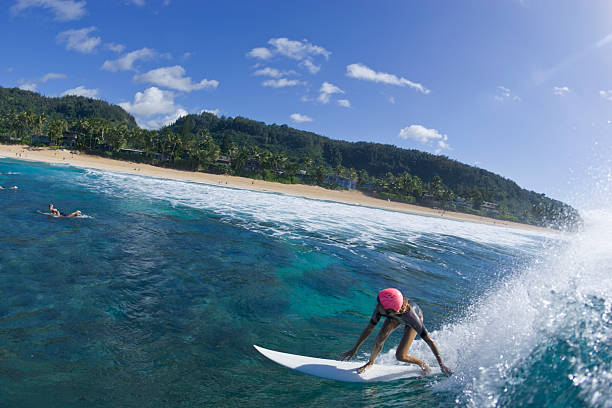
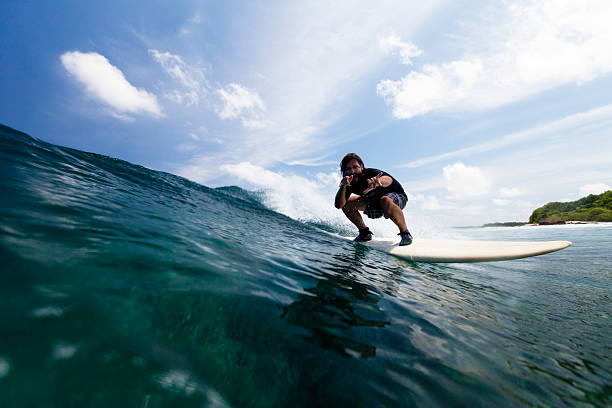
There’s nothing quite like the thrill of paddling out at a wave you’ve only ever seen in the magazines. The water feels different, the horizon stretches into unfamiliar territory, and for a moment you’re living the dream of chasing the endless summer. That same spirit that drove Bruce Brown’s iconic film still pulses through every surf traveler today. But here’s the truth—surf travel isn’t just about scoring perfect barrels or adding a new stamp to your passport. It’s about being a guest in someone else’s living room. The lineup is sacred, the local culture runs deeper than any reef, and the way you behave determines whether you’ll be welcomed back or given the stink eye from the channel. This is where responsible surf tourism comes into play—and it starts with one simple mantra: respect.
When you roll into a foreign break, you’re not just a surfer. You’re an ambassador for your own community and for the global surf tribe. The first rule is to watch and learn before you paddle out. Sit on the beach, study the peaks, and pay attention to how the locals vibe. Are they friendly? Are they territorial? Every break has its own rhythm, and the worst thing you can do is drop in on a set wave from a local shredder who’s been surfing that spot since before you were born. That’s called being a kook, and it’s the fastest way to earn a bad reputation. Instead, wait your turn, offer a nod of respect, and if you blow a wave, laugh it off. Humility goes a long way in the water. Remember that localism isn’t just about aggression—it’s about protecting a wave that generations before you have cared for. Earn your place in the lineup by showing you understand that.
Beyond the lineup, responsible surf tourism means leaving the place better than you found it. Bring a trash bag and pick up any plastic you see on the beach. Say no to single-use water bottles and pack a reusable one. These small acts of aloha ripple out into the community, showing locals that you care about their home as much as your own ride. And speaking of the ocean, be mindful of coral reefs and marine life. Dragging your fins over shallow reef, stepping on coral while walking in, or using toxic sunscreen can damage the very ecosystems that create those pristine waves you traveled so far to ride. Switch to reef-friendly zinc sunscreen—your skin and the ocean will thank you. Also, choose a stick that’s appropriate for the conditions. You don’t need a gun at a knee-high beach break, and you shouldn’t bring a foamie that’ll snag on the reef. Respect the break by riding gear that fits. If you’re on a dawn patrol, paddle out with a clear head and a spare leash to share if someone needs it.
The economic side of responsible tourism is just as important. When you support local wave shapers, surf shops run by native families, and eateries that serve traditional food, you’re injecting your travel dollars directly into the soul of the surf culture you’re enjoying. Skip the big chain hotels that bulldoze dunes and alienate local communities. Stay at a surf camp owned by a local legend, take a lesson from a lifeguard who grew up in the village, and spend your cash at the mom-and-pop taco stand. This creates a cycle of positive energy that benefits everyone. Ask where the best breaks are from a local, not from a guidebook—that builds relationships and trust. Every time you buy a board bag from a local shaper, you’re investing in the future of that wave’s community.
Also, don’t forget that the ocean doesn’t belong to any one person. The spirit of aloha isn’t just Hawaiian—it’s universal. It means greeting fellow surfers with a shaka and a smile, sharing waves, and looking out for each other in big conditions. If you see a grom struggling to get back to his board after a wipeout, paddle over and offer some help. If a surfer takes a gnarly fall, make sure they surface okay. This camaraderie is what makes surfing more than a sport—it’s a brotherhood and sisterhood of the sea. Crowded lineups are a reality of modern surf travel. Instead of getting frustrated, practice patience. Trade waves with others. The more mellow you are, the more stoke you’ll find. When an offshore wind blows the swell into shape, remember that every wave carries a shared energy.
Finally, educate yourself before you go. Learn a few words of the local language, understand the history of the place, and be aware of any cultural taboos. In Indonesia, for example, it’s considered disrespectful to point your feet at a temple. In Costa Rica, the phrase “pura vida” is a way of life, not just a slogan. By showing that you’ve done your homework, you earn trust and respect. Read about the local surf history—who discovered the break, how it’s been protected, and what environmental challenges it faces. When you understand the story behind the wave, you ride with deeper connection. That kind of awareness turns a simple session into a meaningful exchange between traveler and host.
So the next time you plan a surf trip, think beyond the swell charts. Think about the generations of surfers who have shaped that break, the families who depend on its health, and the future of surfing itself. When you ride with aloha, you become part of something bigger—a global community that values the ocean, the culture, and the stoke. Keep it mellow, respect the locals, and the waves will always welcome you home. After all, the endless summer isn’t endless unless we take care of it.