Surf Technique: Paddling to Perfection
Live Surf Cams

Surfline Live is a 24/7 glimpse into the world’s surf.

This stream moves through Surfline’s global camera network, showing spots where it’s daylight and rated Fair or better.

What’s The Deal With…?

Mastering the Waves

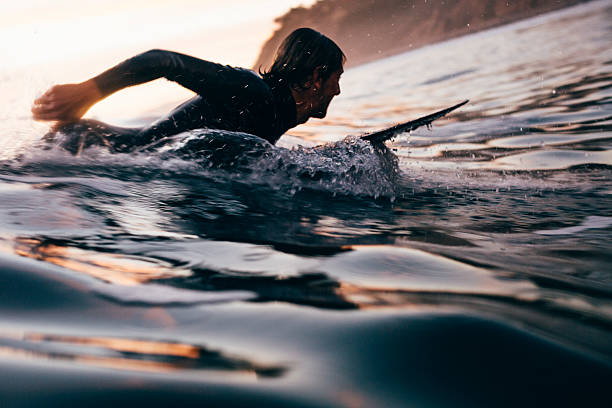
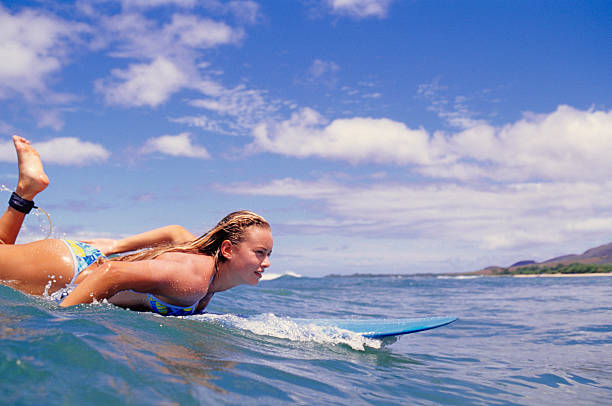
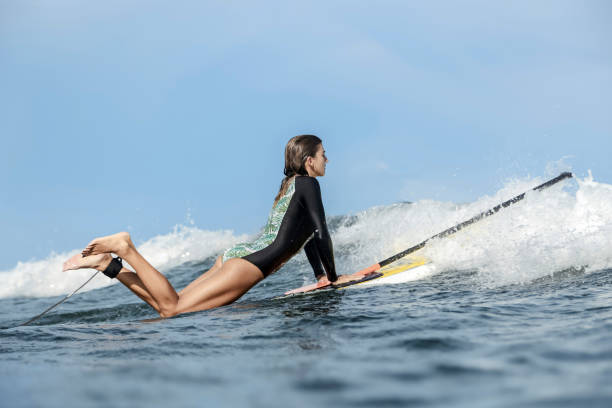
The biggest kook moves? Looking down and short, choppy strokes. Looking down sinks your chest and creates drag. Keep your head up, eyes on the horizon. Also, don’t just use your arms—engage your lats and core for each deep stroke. Another energy drain is paddling with your legs dangling or knees bent; keep ’em together and straight to streamline your body. Finally, avoid constant, frantic paddling. Learn to read the ocean and paddle with purpose.

It’s all about trim, bro. You want your board flat on the water—not nose-diving (too far forward) or tail-dragging (too far back). Find that sweet spot where the nose is just skimming the surface. Your chest should be up, arching your back slightly to engage your core. This position reduces drag and lets you use your bigger back and shoulder muscles for power, turning your board into a wave-seeking missile instead of a bobbing cork.

Dude, it’s simple: you can’t catch waves if you can’t get to ’em. Efficient paddling is your engine. It’s about conserving energy, beating the pack to the peak, and getting into waves early. Think long, powerful strokes with a high elbow, not frantic splashing. A smooth, strong paddle means you’re not gassed when you pop up. It’s the difference between watching sets roll by and being in the right spot, every time. Master this, and your wave count will skyrocket.

Mastering the Waves

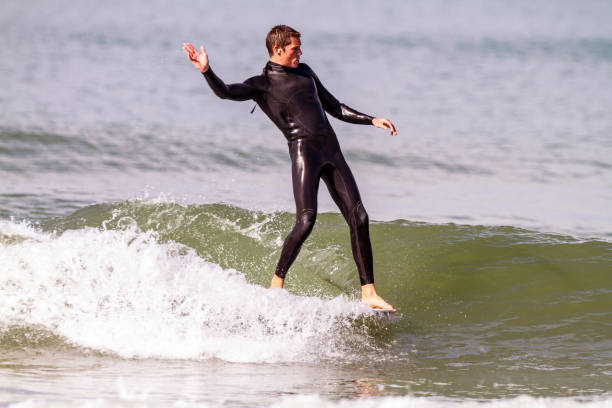
The pop-up is that magic moment you go from paddling to standing. But it starts with the paddle-in! Your final few strokes must be explosive to match the wave’s speed. As you feel the lift, plant your hands flat by your ribs in one smooth motion, then spring your feet under you. If your paddle was weak or late, you’ll miss the wave or nosedive. A powerful, timed paddle gives you the momentum and stability for a clean, fluid stand-up.

Totally crucial, bro! More volume (width, thickness, length) equals more float and easier paddling. A high-volume board gets you planning quickly and is stable. But once you’re skilled, a lower-volume, more refined shape paddles through the water more efficiently, letting you duck dive easier and position yourself precisely. It’s a trade-off: float helps beginners, while performance shapes demand stronger technique. Choose a board that matches your skill and the waves you’re chasing.

Get on the land, brah! Nothing beats actual paddling, but to build that engine, hit the gym. Focus on back, shoulder, and core strength. Rows, lat pull-downs, and planks are your best friends. Swimming is also gold—especially freestyle. Even a few minutes of pop-up practice on a carpeted floor builds that explosive muscle memory. Consistency is key; a little daily work translates to more stamina in the lineup when that dream swell hits.