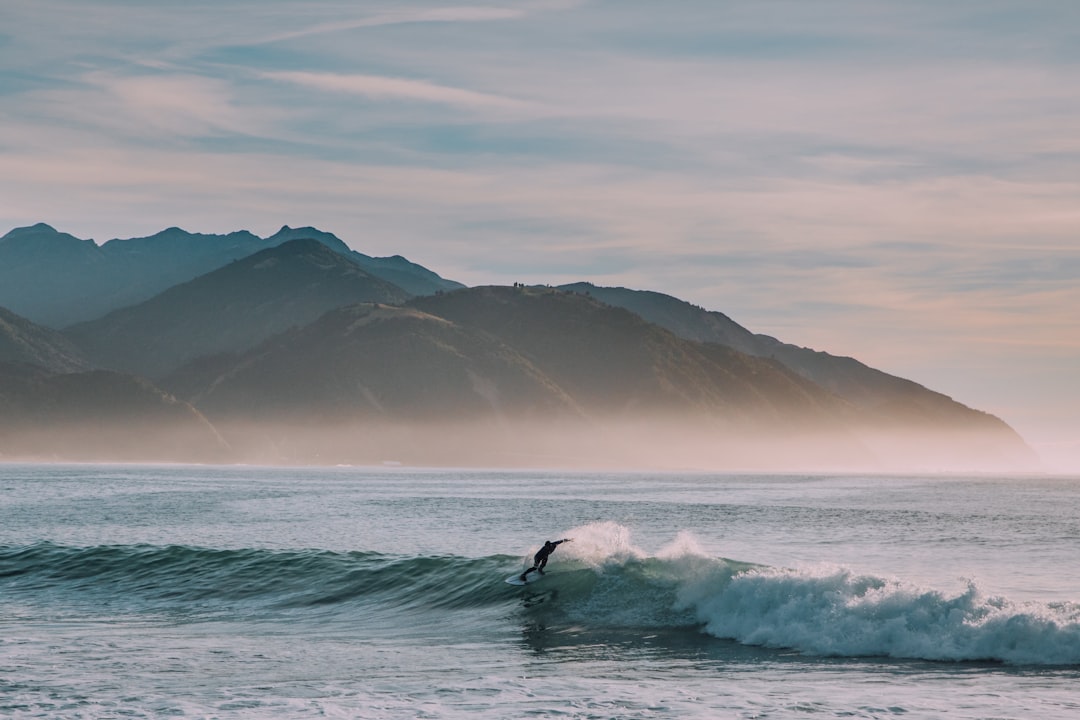
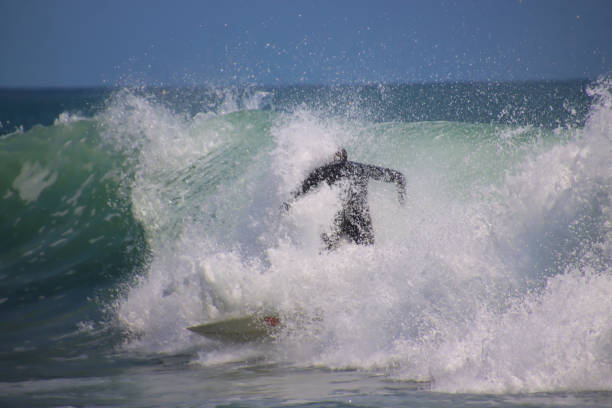
There’s a moment every surfer knows too well. You’re sitting in the lineup, board bobbing under your chest, when a set rolls through on the horizon. Your heart says go. Your instincts say huck yourself over the ledge and drop in. But the ocean? She’s telling you something else entirely. The real mastery of surfing ain’t just about shredding faces and getting barreled—it’s about reading the water like a seasoned old salt and knowing when to hold back. Avoiding the wipeout starts long before your feet hit the wax. It starts in your head, in your gut, and in the way you treat every paddle-out as a conversation with the sea, not a battle.
First up, you gotta respect the ocean’s mood. That means checking the surf report, sure, but also standing on the sand for a solid ten minutes before you even zip up your wetsuit. Watch the sets roll through. Count the waves between lulls. Spot where the whitewater is dumping versus where the shoulder is peeling clean. If you see a sandbar shifting or a rip current carving a dark channel, take note. A rip ain’t your enemy—it’s actually your freeway out the back. But if you don’t know where it is, it’ll yank you sideways straight into the impact zone. That’s how wipeouts turn into hold-downs. The old crew calls it “reading the ocean’s blueprint.” Every surf break has its own personality, from the punchy shorebreak of a beach break to the predictable lines of a point break. The more time you spend just watching—not surfing, just watching—the sharper your wave intuition gets.
Speaking of intuition, that little voice in your head? Listen to it. If you paddle out and something feels off—the water’s too murky, the current’s pulling weird, the sets are doubling up without a rhythm—that’s the ocean speaking in a language older than any surfboard. Trust it. Too many guys and gals get smoked because they feel peer pressure from the lineup or they drove two hours and refuse to turn around. Let me tell you, there will always be another swell. The ocean isn’t going anywhere. But your collarbone, your eardrums, and your ego? Those take time to heal. The smartest surfer I know once said, “The best wave is the one you don’t take.” He’s been surfing fifty years and has never blown out a knee. Coincidence? Nah.
Now, when you do paddle out, pick your entry point like a chess move. Don’t just charge straight through the whitewater where the sets are breaking hardest. Look for the rip or the deeper channel, paddle with the flow, and save your energy. If you do get caught inside and the foam is marching at you, don’t panic. Flip your board over, dive under with the nose angled down, and go deep—right to the sandy bottom if you have to. Let the turbulence pass over you. That’s the first line of defense against a wipeout: taking the hit underwater rather than on the surface. And keep your hands over your head to protect your neck. Half the wipeout injuries we see aren’t from the wave itself; they’re from guys and gals smacking into their own boards or the reef below.
Then there’s reading the wave itself. When you’re paddling for a set, don’t just look at the face. Glance at the lip—is it hulking, pitching, throwing a huge hook? That wave wants to detonate. A mushy shoulder with a soft inside section is your safer bet if you’re still working on your late takeoffs. Also check the tide. Low tide on a shallow reef? That’s a recipe for a critical hit to the head. Save those slabs for when the tide pushes in a couple feet and the water cushion is thicker. The pros make it look easy because they’ve learned to calculate dozens of variables in the blink of an eye: wind direction, wave period, swell angle, bottom contour. You don’t have to be a meteorologist, but you better know which way the offshore wind is blowing and what it’s doing to the face.
Finally, let’s talk about equipment as your safety net. A proper leash is like a surf seatbelt—it keeps your board from becoming a missile aimed at a swimmer’s head. A blunt nose board with a bit of foam under your chest gives you more control during takeoff and gets you into waves earlier, which means fewer late drops and fewer wipeouts. And if you’re surfing hollow, shallow breaks, consider a helmet or a soft impact vest. I know, they look kinda kooky, but they’ll save your dome when you get pitched six feet into a reef. The goal isn’t to never wipe out—we all eat sand occasionally. The goal is to make wipeouts a rare, exciting event rather than a regular beating. So next time you paddle out, take a breath, look around, and ask yourself: does this wave have my number or do I have hers? Stay cool, stay humble, and surf another day.