Mastering the Waves

Live Surf Cams

Surfline Live is a 24/7 glimpse into the world’s surf.

This stream moves through Surfline's global camera network, showing spots where it’s daylight and rated Fair or better.

What's The Deal With...?

Surf Lingo & Slang

Which break type is best for a beginner kook?

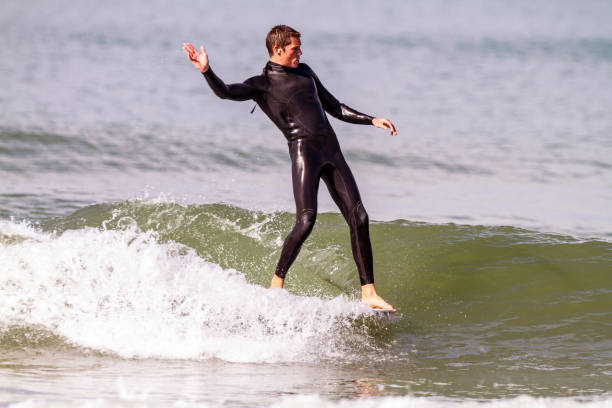
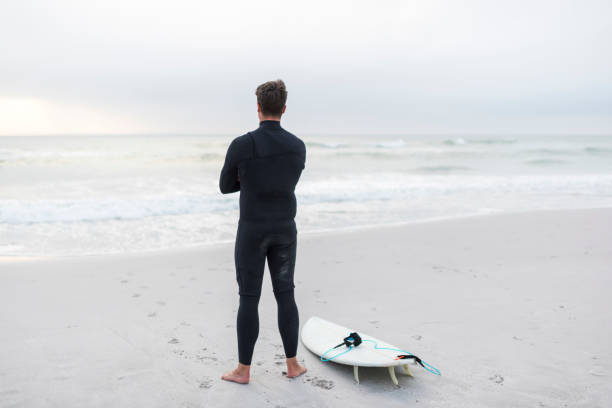
Start at a mellow beach break, one hundred percent. The sandy bottom is way more forgiving when you (and you will) eat it. Waves are generally smaller and break more gently over the shifting sand. You can focus on popping up and finding your balance without worrying about a reef below. Look for a wide, open stretch with a gentle slope. It’s all about getting your reps in, building water confidence, and having fun without the added stress of a hard bottom.

How do I go from just riding the wave to actually driving down the line?

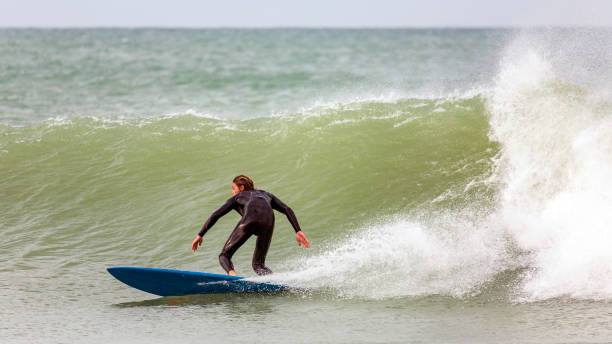
It starts with that bottom turn, brah. Don’t just go straight! After your drop, lean on your back foot and rail to carve a hard turn off the bottom of the wave, setting your line. This generates speed and sets you up for everything else. Think of it as loading a spring. A weak bottom turn means a weak next move. Look where you want to go, compress, and project down the line. This is where you stop being a passenger and start being a pilot.

Why are some waves called “closeouts”?

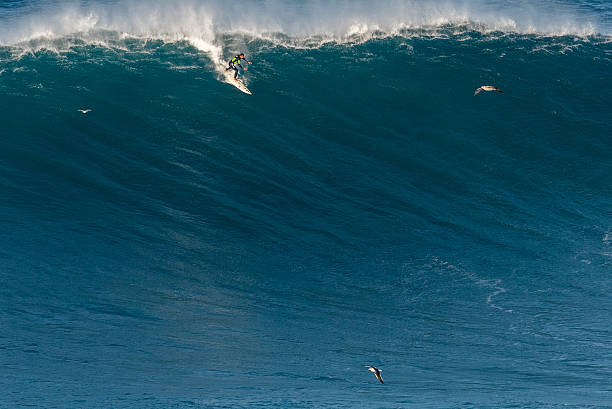
A closeout is when a wave breaks all at once along its entire length, instead of peeling left or right. There’s no open shoulder to ride, just a wall of whitewater. It happens on steep, fast beach breaks or when the swell is too big for the spot’s bathymetry. They’re frustrating—you might get a steep drop, but then immediately get swallowed. The goal is to find a “peeling” wave that breaks in sections, giving you a long, rideable wall to carve up.

Surf Lingo Explained

How important is gear choice for leveling up my game?

Hugely important, but it’s not about the latest pro model. It’s about the right tool for the waves you’re actually surfing and your current skill level. Riding a board that’s too small or advanced will hold you back. Chat with a good shaper or local shop about what you’re riding now and what you want to do. Sometimes, a simple change like a new fin set-up or a bit more volume can unlock a whole new level of speed and confidence. Don’t fight your equipment.

What’s the secret to nailing a proper cutback?

Timing and looking where you want to go. You initiate the turn by looking back at the whitewater or the breaking part of the wave. Drive off your back foot, use your rails, and project your board around. The key is to complete the turn and regain your momentum down the line. A weak cutback where you lose all your speed is a bummer. Practice on shoulder-high walls to get the full arc.

What’s the best kind of wave for a beginner to learn on, and why?

For a fresh grom, nothing beats a mushy wave. It’s the slow, crumbly, forgiving kind that gives you plenty of time to pop up and find your feet. Think of it as nature’s training wheels. You’ll want a fat, rolling wave on a sandy bottom—avoid anything steep or hollow. This mellow vibe lets you focus on your stance and balance without getting pitched over the falls. It’s all about logging water time and building confidence, so you can eventually step up to more critical sections. Start soft, charge hard later.