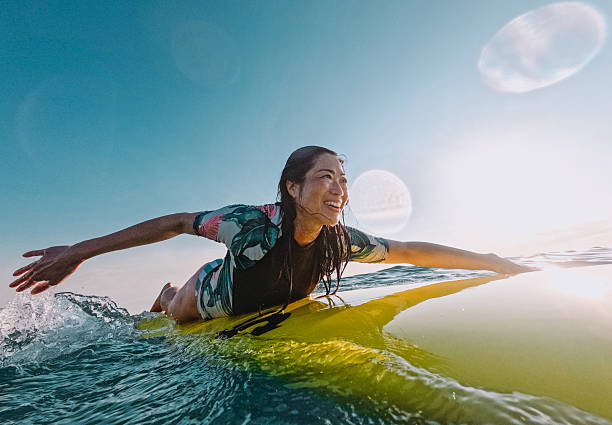
You paddle out thinking you got the ocean all figured out. The swell looks manageable, the rip is doing you favors, and you find your spot just past the break. Then you see it. A dark line on the horizon that ain’t a cloud shadow. It’s a set. And not just any set—the kind that makes the regulars paddle for the horizon like their leash depends on it. Getting caught inside is the oldest wipeout trick in the book, and the smartest surfer in the water ain’t the one doing air reverses. It’s the one who reads the set before it reads them. So let’s talk about the rhythm of the sea, the subtle cues that keep you safe, and how to avoid becoming the guy who gets worked right when everyone else is sitting cool.
The ocean doesn’t fire randomly. Swell trains move in pulses, and within those pulses you find the set waves—the bigger, more powerful ones that roll through every five to fifteen minutes. Between those sets, you got your lulls, the smaller waves or even flat spells where paddling out feels like a warm bath. New surfers make the classic mistake of paddling out during a lull and thinking they already made it. That’s when the ocean decides to send a cleanup set that puts the whole lineup on high alert. The key is to watch the horizon for a solid five minutes before you even stick a toe in the water. Count the intervals. Learn the pulse. If you see three big waves march through, wait for the lull, then sprint paddle outside. That simple patience is the difference between a mellow session and a beatdown that leaves your ears ringing and your board cracked.
Once you’re in the lineup, reading sets becomes a constant meditation. Don’t just stare at your board wax or the pretty girl on the beach. Keep your eyes on the horizon, but not just the straight-ahead glance. Tune into the subtle shifts in water color. A darker blue far out means deeper water moving your way, and that deeper water is the signature of a set wave pushing up from the bottom. Also watch the birds. Seriously. Gulls and pelicans sit on the water where it’s flat. When they suddenly scatter or lift, they know something’s coming. The sea is a telegraph system, and if you learn to read it, you’ll never be the one getting pitched off your board in the impact zone while trying to duck dive a wave that’s already broken ten feet in front of you.
What do you do when you see a set coming and you’re too deep? That’s where many wipeouts happen. You panic and try to paddle over a wave that’s too thick, or you turn and try to make it over the shoulder only to get clipped by the lip. The pro move is to commit to getting outside as fast as possible, but also know when it’s too late. If the wave is already feathering and it’s a solid five feet overhead, stop paddling out. Instead, paddle toward the channel or the rip that’s moving seaward. Use the current to pull you around the break. If you can’t, then you have to go under. But a duck dive only works if you’re square to the wave and you push the nose down deep while kicking your back foot up. If you’re angled, you’ll pearl and flip. If the wave’s too fat, you just have to take the hit. Tuck your head, cover your face with your arms, and let your leash do its thing. The ocean will tumble you, but if you stay relaxed and don’t fight it, you’ll come up spitting air and laughing, not panicking.
Another huge part of avoiding wipouts is knowing when not to paddle out at all. That’s the deepest safety move in the game. If the interval between sets is short and the swell is double overhead, the ocean isn’t playing around. No amount of set reading can save you from a shallow reef on a big day unless you truly know the break. Respect weighs more than any board you can buy. And even on normal days, always give yourself an exit line. Look at the beach and see where the rip is. That’s your freeway back out. It’s also your escape route if a set tears through. When you’re caught inside, paddling against the peak is suicide. Ride the rip out the back, then re-enter the lineup fresh.
So next time you paddle out, stop for a second. Count the sets. Feel the pulse. The ocean has a heartbeat, and if you sync yours to it, you’ll find yourself taking off on more waves than you miss. Wipouts are part of surfing, no doubt. But the ones you see coming from a mile away are the ones you can sidestep. Master the art of reading the set, and you’ll spend less time swallowing saltwater and more time trimming down the line, chasing that endless summer feeling.