Surf History & Legends

Live Surf Cams

Surfline Live is a 24/7 glimpse into the world’s surf.

This stream moves through Surfline's global camera network, showing spots where it’s daylight and rated Fair or better.

What's The Deal With...?

Surf Travel Adventures

What’s the essential gear for a family surf adventure?

Beyond boards (consider soft-tops for safety), rash guards are non-negotiable for sun and rash protection. Don’t forget reef-safe sunscreen, a solid first-aid kit, and plenty of water. A good beach tent or umbrella provides crucial shade for land-lubbers. For the groms, a properly fitted leash and maybe some surf booties if it’s a rocky entry. Pack a few extra towels—you’ll always need ’em!

Any tips for keeping my luggage under the airline’s weight limit?

Wear your heaviest shoes and jacket when checking in. Pack your carry-on with dense items like your camera gear and tool kits. Know your airline’s surfboard bag policy—weight and fees vary wildly. Sometimes, splitting gear between a board bag and a checked suitcase is cheaper than one massively overweight bag. Travel light on the non-essentials; you only need boardshorts and stoke, really.

Any advice for staying stoked during flat spells?

Embrace the adventure! Flat days are for exploring—rent a moto, hike to a viewpoint, or just chill in a hammock with a good book. Use the time to maintain your gear, study the coastline for new spots, or practice pop-ups on the sand. Connect with the local culture beyond the surf; learn some phrases, try the food. The journey isn’t just about the waves, it’s about the whole experience. The swell will come.

Surf Technique Deep Dive

How do I position my hands on the board before popping up?

Place your hands flat on your board, right under your ribs—not too wide like a push-up, and don’t grab the rails. Your palms should be planted where you can feel your chest hovering just above the deck. This gives you the best leverage to spring up, not push your upper body too high. Think of it as a quick, explosive push to create space for your feet, not a full upper-body workout. Proper hand placement keeps you centered and prevents nosedives or wobbles.

What’s the biggest mental block for beginners learning to pop up?

Overthinking it. The ocean is dynamic, and you gotta react. Many new surfers freeze or try to slowly climb to their feet, which never works. Trust your practice and commit to the explosive movement, even if you wipe out. The mental shift is from “Can I do this?“ to “I’m doing this.“ Hesitation is your worst enemy. Once you send it a few times, your brain and body will sync up, and the pop-up becomes a natural reaction to feeling the wave’s energy.

What’s a “set” and why should I care?

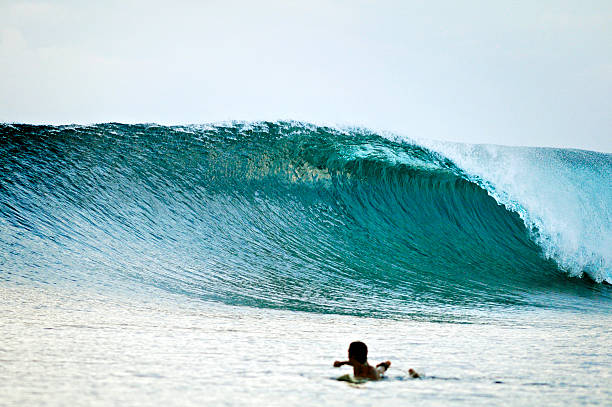
A set is a group of waves that roll in together, usually bigger than the lull waves in between. Spotting them is key because it tells you when the good stuff is coming. Paddling out? Time your dash for the lull. Sitting on the lineup? It tells you when to get ready for a bomb. Ignoring sets means you’ll get caught inside, waste all your energy, and miss the best rides. It’s the ocean’s rhythm, dude—sync up with it.