Saltwater Sagas: How Ocean Documentaries Fuel Our Surf Obsession

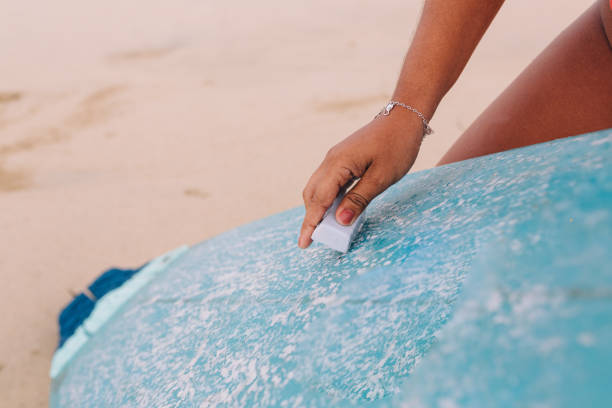
Let’s be real. We don’t just surf. We live it. It’s in the wax under our fingernails, the salt crusted on our dashboards, and the way we check the swell report before the weather. But when the wind’s onshore, the tide’s wrong, or real life gets in the way, there’s another way to get our fix: the ocean documentary. These aren’t just films; they’re visual stoke, history lessons, and soul fuel all rolled into one. They’re the stories that deepen our connection to the brine and remind us why we’re hooked.

Think about it. Before most of us ever stood on a foamie, we saw someone else flying across a curtain of blue. For generations, that gateway drug was often a flickering image on a screen. The Endless Summer is the obvious legend in the lineup. Bruce Brown’s timeless chase for the perfect wave did more than just document a trip; it mapped a dream onto the collective consciousness. It wasn’t about high-performance shredding; it was about the adventure, the camaraderie, the sheer joy of discovery. It planted the seed for every surf trip you’ve ever planned. That film, and ones like it, are the bedrock of our culture—they showed the world that surfing wasn’t just a sport; it was a passport to a different kind of life.

But the stoke doesn’t stop in the ‘60s. The modern era of surf docs has taken the torch and run with it, diving deeper into the characters that shape our world. Flicks like Riding Giants or Bustin’ Down the Door aren’t just about big waves or competitive drama. They’re about context. They show us the sheer guts of the early big-wave chargers at Waimea, the territorial firestorms of the ‘70s North Shore, and the evolution of performance. You watch Gerry Lopez at Pipeline, calm as a monk in the tube, and you understand more about style and mindset than any technique article can explain. You see the rivalry between the Aussies and the Hawaiians, and you get the cultural weight of what it means to be a guest in someone else’s ocean. This is our history, our mythology, played out in 4K.

And then there are the pure, unadulterated performance pieces. Films like The September Sessions or View from a Blue Moon. There’s no narrator, often no plot—just the best surfers in the best waves, set to a killer soundtrack. These are the visual equivalents of a perfect session. They capture the subtle poetry of a bottom turn, the explosive power of an air reverse, and the serene glory of a deep barrel. You watch them not to learn history, but to feel it. To get amped. To see what’s possible when human talent meets raw ocean energy. They’re the screensavers we play when we need to remember what we’re chasing.

But the best ocean docs go even further. They look outward, reminding us that our playground is fragile. Films like The Fisherman’s Son about big-wave legend Ramón Navarro, or Patagonia’s Artifishal, tie our passion directly to the health of the coast. They show that being a surfer isn’t just about riding waves; it’s about protecting them. It’s about understanding currents, weather, and ecosystems. This is the new chapter of the surf story—one where we’re not just users of the ocean, but guardians of it.

So next time you’re landlocked, fire one up. Let those saltwater sagas wash over you. They’re more than entertainment. They’re the archives of our tribe, the fuel for our next dawn patrol, and a direct line to the stoke that binds us all. They remind us that our obsession has a past, a present, and a future—all of it written in water.
Related Posts

Live Surf Cams

Surfline Live is a 24/7 glimpse into the world’s surf.

This stream moves through Surfline's global camera network, showing spots where it’s daylight and rated Fair or better.

What's The Deal With...?

Surf Lingo Explained

Why is it crucial to know how your leash works?

Your leash is your lifeline to your board, which is your biggest flotation device. Knowing how to quickly grab and reel it in after a pounding can get you to the surface faster and save energy. Check the cuff and velcro regularly for wear—a snapped leash in a big swell is a serious situation. Understanding its length also helps you gauge your “wipeout radius” from your stick. It’s simple gear, but treating it right is a major safety fundamental.

How do I move from just catching whitewater to riding the open face?

You gotta graduate to the green room, mate! The key is paddling out back and learning to catch an unbroken wave. Start on a mellow, rolling peak—not a steep, hollow beast. Focus on angling your take-off across the wall, not just straight toward the beach. This sets your line for a proper trim. Get comfortable shifting your weight from your front foot to your back foot to control your speed on the open face. It’s all about that first bottom turn to set up the rest of your ride. Practice makes permanent!

What’s the best kind of wave for a beginner to learn on, and why?

For a fresh grom, nothing beats a mushy wave. It’s the slow, crumbly, forgiving kind that gives you plenty of time to pop up and find your feet. Think of it as nature’s training wheels. You’ll want a fat, rolling wave on a sandy bottom—avoid anything steep or hollow. This mellow vibe lets you focus on your stance and balance without getting pitched over the falls. It’s all about logging water time and building confidence, so you can eventually step up to more critical sections. Start soft, charge hard later.

Surf Gear & Brands

Should my everyday board be a high-performance model?

Not necessarily, dude. High-performance shortboards are for powerful, pitching waves when you’re going vertical. For your daily driver, you want something more forgiving and versatile—think a fish, a funboard, or a groveler. These boards get you into waves easier, offer more paddle power, and let you have a blast in less-than-perfect conditions. Save the razor-sharp performance blade for when it’s firing.

What should I look for in a good wetsuit?

You want a suit that feels like a second skin—snug but not choking you out. Key things are the right thickness for your local water temp, flexible neoprene (especially in the shoulders for paddling), and solid construction like flatlock or glued & blind-stitched seams. A good fit is everything; no flushing of icy water down your back! Think of it as your armor against the elements, letting you stay in the lineup longer without turning into a popsicle.

What’s the best way to find a local shop that really knows their stuff?

The best bet is to ask the crew in the lineup! Local surfers always know which shop has the most knowledgeable shapers and staff. A proper core shop will feel more like a clubhouse than a store. They’ll ask about your ability, the breaks you frequent, and what you’re feeling in the water. This intel lets them point you to the perfect stick or wetsuit. Supporting these spots keeps the local surf culture thriving and ensures you get gear that’s right for your home break.