To understand surfing is to paddle out into its past. It’s not just a sport; it’s a cultural thread woven through centuries, from ancient Polynesian kings to modern-day tube chargers. The history is rich, and the legends are the ones who shaped the stoke for all of us who chase the sun.
It all started in the Pacific, long before board shorts and leashes. The ancient Polynesians didn’t just surf for fun; it was deeply spiritual, a way to commune with the ocean and prove mana, or power. Chiefs rode massive, heavy olo boards made from sacred woods, while commoners rode smaller alaia. When European missionaries arrived in Hawaii, they nearly wiped the practice out, seeing it as frivolous. But the seed was planted, waiting to germinate.
The modern revival is anchored by one name: Duke Kahanamoku. The Duke was an Olympic swimming champion who became surfing’s global ambassador. In the early 1900s, he traveled the world, giving demonstrations from California to Australia. His sheer grace and aloha spirit showed the world that surfing was more than standing on a plank—it was an art form. He’s the godfather, the direct link from ancient tradition to the 20th century explosion.
Then came the boom. The 1950s and ‘60s saw the birth of surf culture as we know it. Guys like Greg Noll charging Waimea Bay on massive, heavy planks, defining big wave courage. Hobie Alter and friends pioneering foam and fiberglass boards, making them lighter and accessible. And of course, the movie The Endless Summer. Bruce Brown’s 1966 film didn’t just document a trip; it planted a permanent idea in every surfer’s brain: that the perfect wave is out there, and the search is what it’s all about. It made global nomads out of us all.
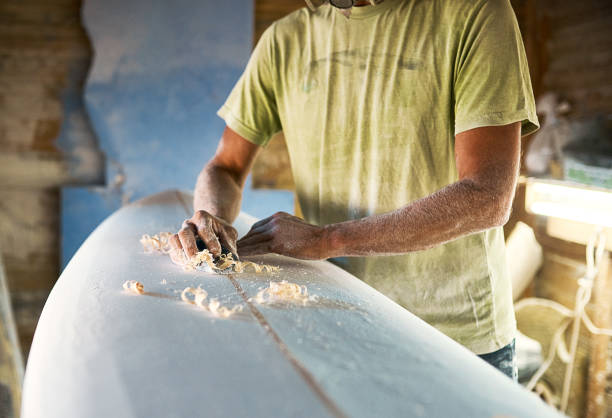
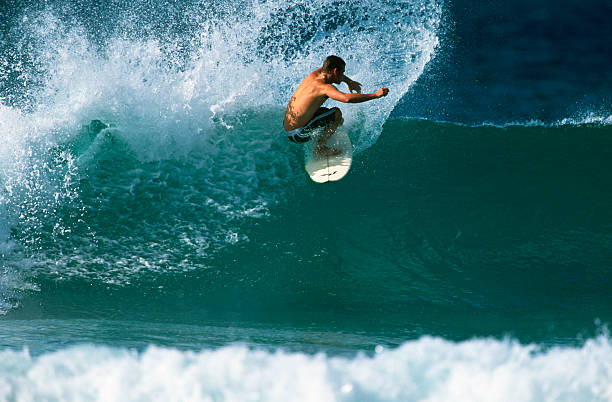
The shortboard revolution of the late ‘60s changed everything. Shaped by visionaries like Bob McTavish and George Greenough, boards went from 10-foot logs to nimble, rockered speed machines. This wasn’t just new equipment; it was a new philosophy. Surfing moved from graceful trimming to radical, vertical turns. The pipe was now the canvas.
This evolution created the platform for the pros. Legends emerged who pushed performance into the stratosphere. Kelly Slater is the undisputed GOAT. Eleven world titles, dominating across decades, combining competitive fire with an almost supernatural connection to the wave. Then you’ve got Laird Hamilton, redefining the possible. Tow-in surfing at Jaws, hydrofoils, stand-up paddling—Laird doesn’t follow trends, he invents new frontiers. And you can’t talk watermen without mentioning Eddie Aikau. The legendary North Shore lifeguard who saved countless lives and embodied true aloha. His saying, “Eddie would go,” speaks to a courage and selflessness that transcends any contest trophy.
These days, the torch is carried by a new crew. John John Florence, with his innate, fluid power, and Carissa Moore, whose technical mastery and grace have dominated the women’s tour, are writing the current chapters. They stand on the shoulders of those who came before.
So, when you paddle out, you’re not just catching a wave. You’re part of a long, flowing line. You’re connected to the Polynesian chiefs, to Duke’s aloha, to the endless summer search, and to every local legend at your home break. Surfing’s history isn’t in a museum; it’s in the lineup, in the shared stoke, and in the relentless pursuit of the next perfect ride. Keep the legacy alive. Respect the ocean, respect the past, and get out there.