To understand surfing is to know the names. It’s not about hero worship, but about recognizing the shoulders we stand on. The legends of this sport aren’t just contest winners; they’re the innovators, the boundary-pushers, the souls who defined entire eras of stoke and style. Their stories are the backbone of our culture, the root of why we all keep chasing that endless summer.
You gotta start in the water with the ancient Hawaiians. These were the original watermen, riding heavy olo boards in a sacred act called he‘e nalu. For them, surfing was spiritual, woven into the very fabric of society. Guys like Duke Kahanamoku bridged that ancient world with the modern one. The Duke wasn’t just an Olympic swimmer; he was surfing’s first global ambassador. With his legendary grace on a massive longboard, he spread the gospel of surfing from California to Australia, proving the sport’s power to captivate. He embodied the aloha spirit, setting a tone of respect for the ocean and each other that remains the sport’s true core.
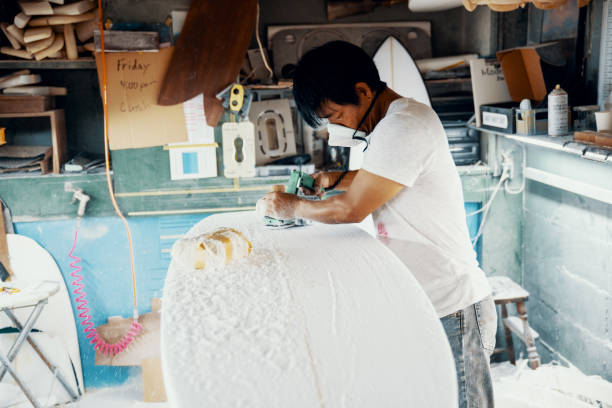
Then came the revolution—the Shortboard Era. And at the sharp end of that change was a guy named Bob McTavish. In the late 60s, boards were getting shorter, but McTavish and his crew in Australia took it to another level. They were shaping vee-bottoms and thinking about “involvement” with the wave, not just riding on top of it. This wasn’t a gentle evolution; it was a full-blown reimagining of what was possible. Suddenly, surfing wasn’t just about trim and glide; it was about radical turns, deep in the pocket. McTavish and his peers unlocked a new dimension of performance, and the sport exploded with creative energy.
You can’t talk legends without talking about style. And for pure, effortless style, Miki Dora stands as a complex icon. “Da Cat” was the ultimate soul surfer of Malibu’s golden age in the 60s. With a sneer for commercialization and a flawless, arch-backed trim, he represented a rebellious, purist approach. He was surfing’s anti-hero, prioritizing wavecraft and attitude over competition. His legacy is a reminder that style isn’t just what you do on a wave, but how you carry yourself in the whole circus of surfing life.
Fast forward to the modern performance era, and the name Kelly Slater is simply unavoidable. His impact is statistical—11 World Titles—but it’s so much more. Slater dominated across decades, constantly evolving. He pushed equipment, pioneered aerial maneuvers, and forced every surfer on the planet to level up. He’s the ultimate competitor, yet he’s also deeply connected to surfing’s soul, advocating for wave pools and ocean conservation. He is, by any measure, the most complete surfer the world has ever seen.
And then there are the chargers—those who go where others hesitate. Laird Hamilton is a force of nature who redefined big wave surfing. Through tow-in surfing, he and his crew at Jaws and Teahupo’o accessed waves of unimaginable power. Hamilton’s approach is one of athleticism, innovation, and sheer will. He turned big wave riding from a survival act into a performance art, inspiring a generation to look at massive walls of water not just with fear, but with ambition.
These icons, from Duke to Laird, carved the paths we surf today. They’re the reason our boards look the way they do, why we try to snap in the pocket or get barreled. They wrote the chapters of our history. So next time you’re paddling out, think about that lineage. You’re part of a long, flowing story of stoke, innovation, and pure love for the glide. That’s the real legacy of the legends—it’s not just about their rides, but about lighting the fire for every surfer who comes after. Now go get some.