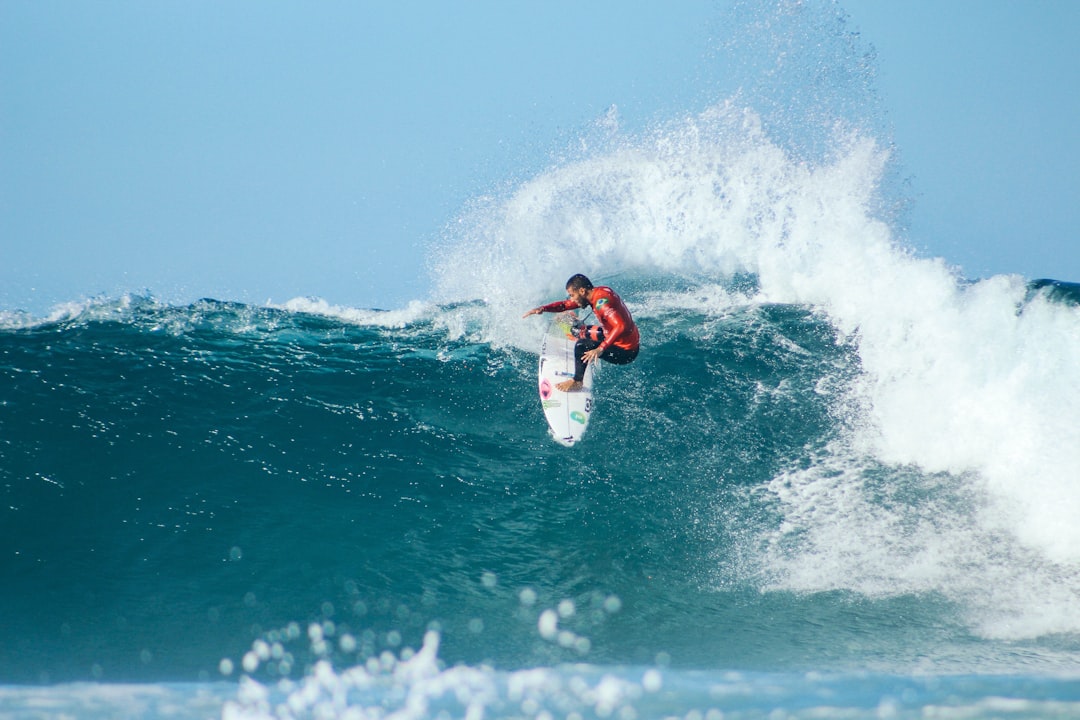
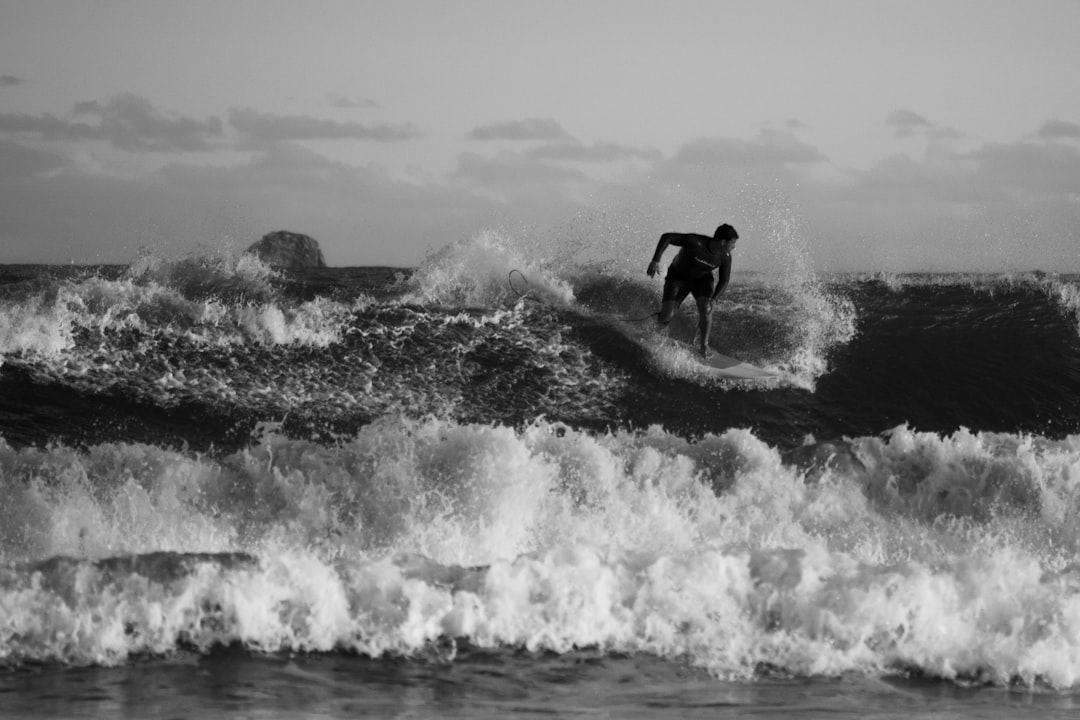
To understand surfing is to paddle back through time, straight to the Hawaiian Islands. This wasn’t just a pastime; it was the heartbeat of a culture, a spiritual practice, and a serious display of skill that defined social order. Forget the modern fluff—ancient Hawaiian wave riding was the real, raw origin of the stoke we chase today.
The Hawaiians called it heʻe nalu—literally, “wave sliding.“ But that simple translation doesn’t capture the depth. For them, the ocean wasn’t a playground; it was a realm of gods and ancestors. Before even waxing up (with plant resin or rough coral, mind you), a kahuna (priest) would lead ceremonies to ask permission from the sea and call upon the waves. They’d chant for the right swell, the right conditions. This connection wasn’t mystical mumbo-jumbo; it was respect. You don’t just drop in on the gods’ domain without a proper shout-out.
Now, let’s talk equipment, because these early shapers were absolute legends. They didn’t have foam blanks or epoxy. They had the ʻulu (breadfruit) and koa trees. These weren’t lightweight shortboards. They were heavy, dense, and required serious mana (spiritual power) to shape. The olo was the big gun—a massive 14 to 18-foot board reserved for the aliʻi (chiefs). Carved from wiliwili wood, it was thin, sleek, and built for gliding on the big, rolling swells. The alaia was the all-rounder, a thinner, more maneuverable board for the everyday rider. And the papa liʻiliʻi was the learner, the foamie of its day. The shaping process was a ritual in itself, from the tree selection to the final oiling with kukui nut. This was sacred craft, not a weekend project.
Out in the lineup, the social order of the islands was mirrored in the surf. The best breaks were kapu (restricted) for the aliʻi. Imagine pulling up to Pipeline only to find out it’s members-only for the king and his crew. The chiefs used surfing as a way to prove their courage and divine right to rule. A kahuna riding a massive olo on a huge day was a living testament to their power and connection to the gods. For the commoners, it was pure expression and community. They rode hard, they rode well, and they developed techniques that are still the foundation today: trimming along the face, angling the takeoff, stalling for the tube. They were doing it all on planks of wood.
But this golden age of heʻe nalu didn’t last. When the missionaries arrived in the early 1800s, they saw this near-naked, spiritually charged pursuit as a sinful distraction. They worked hard to suppress it, along with the Hawaiian language and culture. Combined with introduced diseases that devastated the population, surfing was pushed to the brink of extinction. By the late 19th century, only a few pockets of riders kept the flame alive.
That flame, however, refused to be doused. The revival began in the early 1900s, thanks in huge part to legendary watermen like Duke Kahanamoku. Duke, an Olympic swimmer, took the spirit of heʻe nalu global, becoming surfing’s first true ambassador. He showed the world what the Hawaiians had always known: that sliding on a wave is a feeling like no other.
So next time you paddle out, think about that lineage. You’re not just catching a wave; you’re tapping into a thousand-year-old tradition of skill, respect, and pure oceanic joy. The boards are lighter, the wetsuits are warmer, but the core feeling—that moment of glide, of being powered by the sea itself—is the same stoke those ancient Hawaiians chased. They were the original soul surfers, and every ride today is a tribute to their legacy. Mahalo to those who kept the fire burning.