Mushy: A Soft, Slow Wave

Live Surf Cams

Surfline Live is a 24/7 glimpse into the world’s surf.

This stream moves through Surfline’s global camera network, showing spots where it’s daylight and rated Fair or better.

What’s The Deal With…?

Surf Lingo Explained

It’s that timeless pursuit of warm water and fun waves, but it’s also a state of mind. It’s about chasing the stoke, whether that’s a road trip down the coast or finding joy in your local break on a small day. It’s the camaraderie, the shared glances after a good ride, and living simply with your board and the horizon. It means keeping the adventure alive, appreciating every session, and always looking for that next glide, wherever it may be.

You can keep the stoke high and improve your surf IQ from dry land. Work on your pop-up and flexibility with yoga. Skateboarding on a carver or surfskate trains your balance and rail-to-rail movement. Watch footage of surfers you admire and study their lines. Even swimming and paddling exercises build that crucial paddle power. It’s all about muscle memory and fitness, so when you do hit the water, your body already knows what’s up.

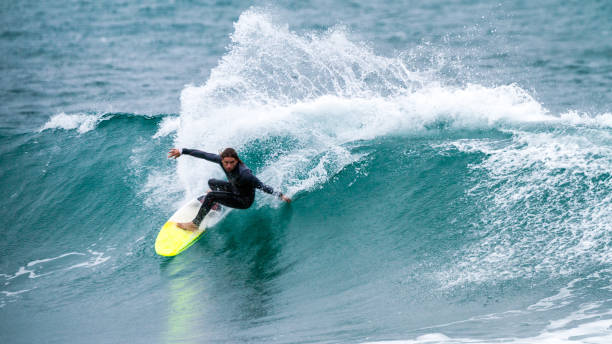
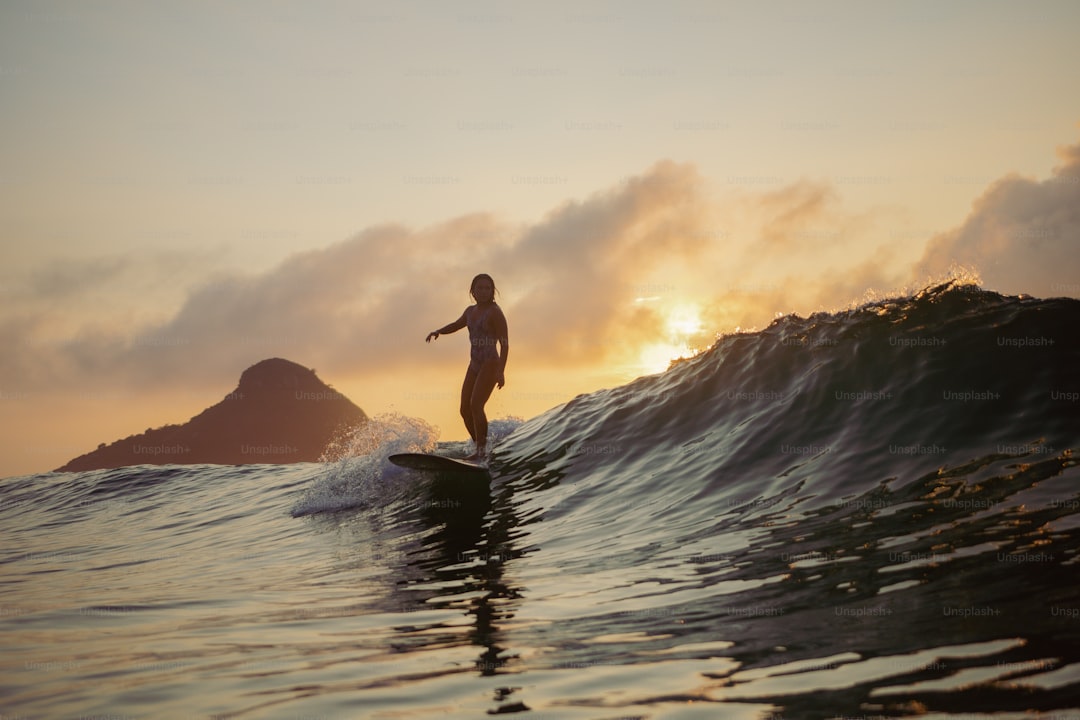
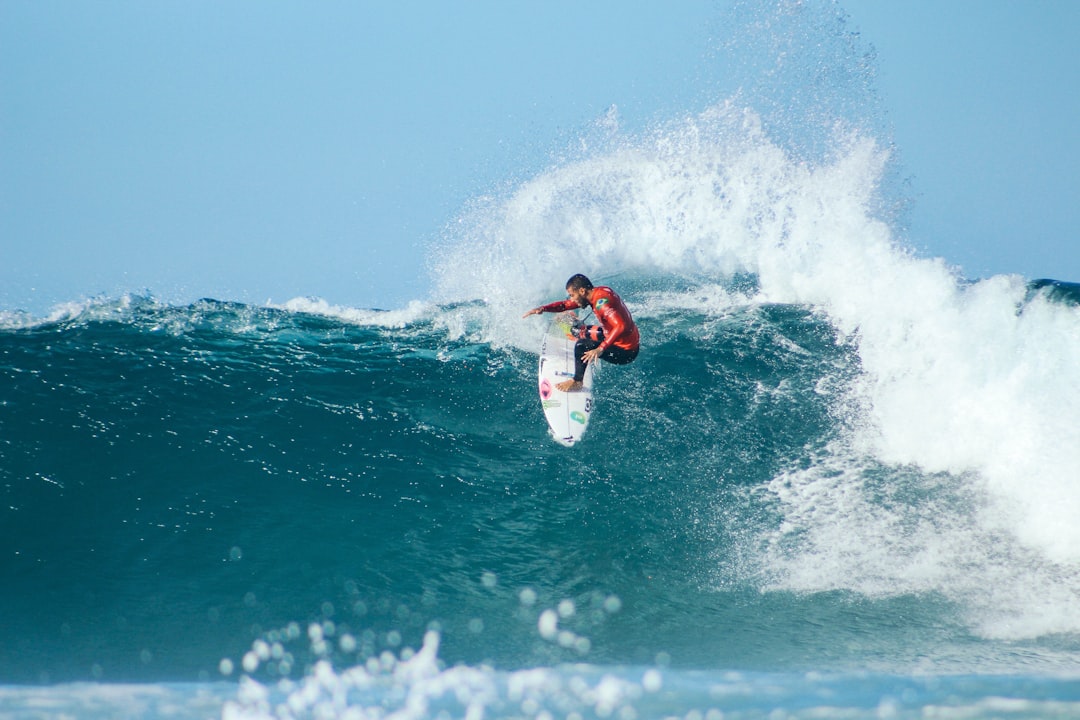
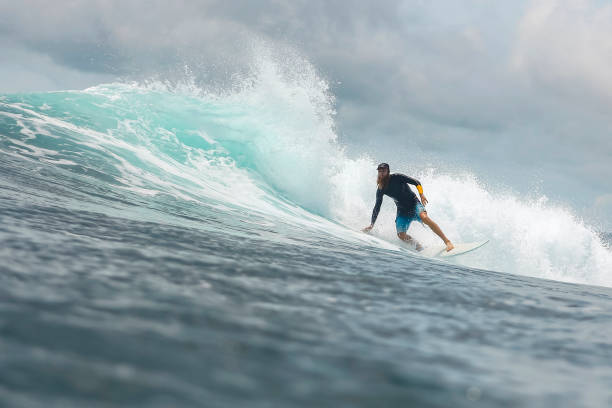
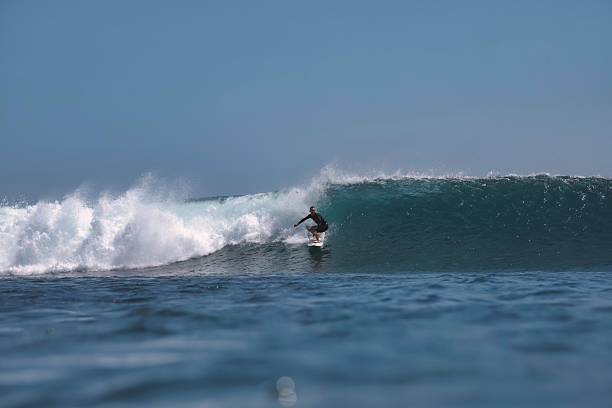
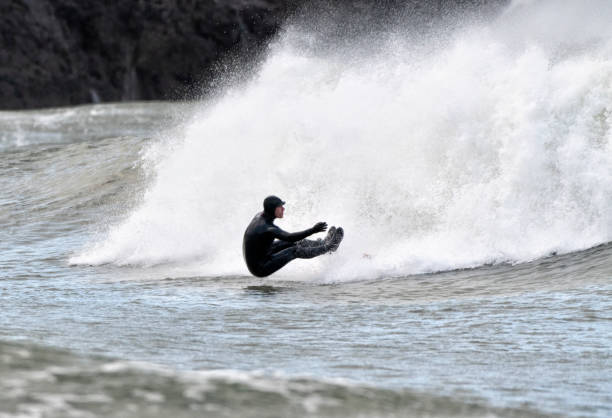
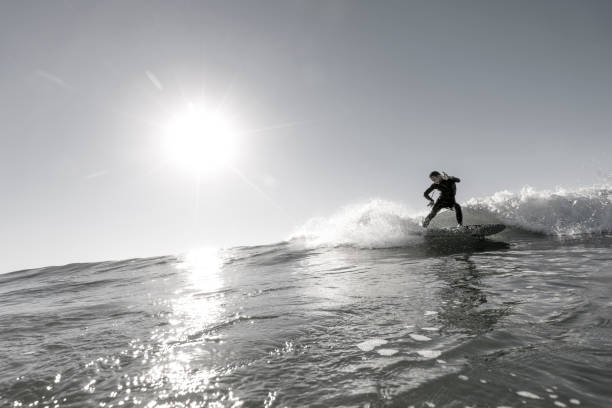
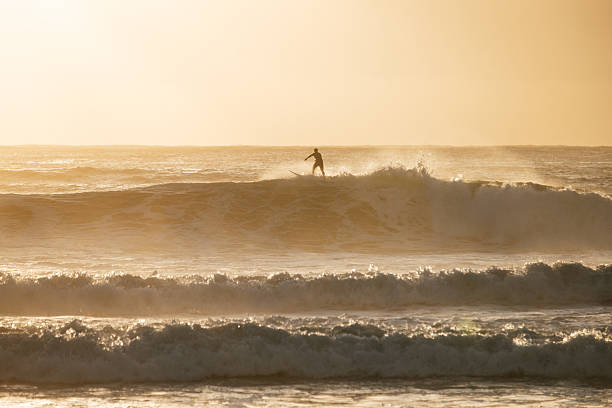
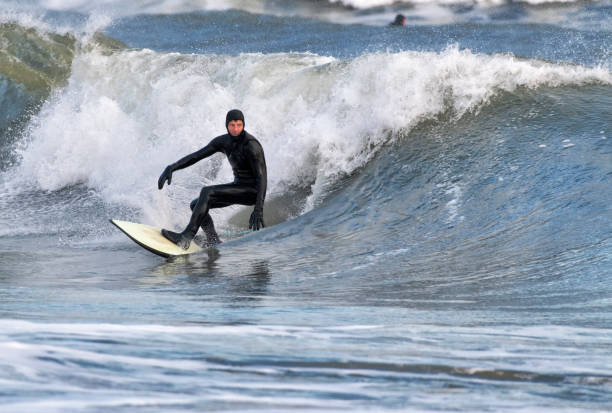
A mushy wave is a soft, slow-breaking wave, often caused by a gently sloping sea floor. It doesn’t have the pitching lip or hollow power of a barreling wave. Beginners totally dig them because they’re forgiving and easier to catch. You get more time to pop up and find your balance without getting slammed. Think of it as the ocean’s training wheels—perfect for practicing your stance and getting a feel for the glide before you step up to more critical sections.

Surf Lingo Explained

Reading the ocean is like understanding a language. It’s about spotting the sets, identifying the peak, and seeing how the waves are breaking. You look for rips, wind changes, and tidal shifts. This knowledge tells you where to sit, when to paddle, and which wave to go for. It saves your energy and gets you more waves. Without it, you’re just paddling around blindly. The ocean is always talking; you just gotta learn to listen.

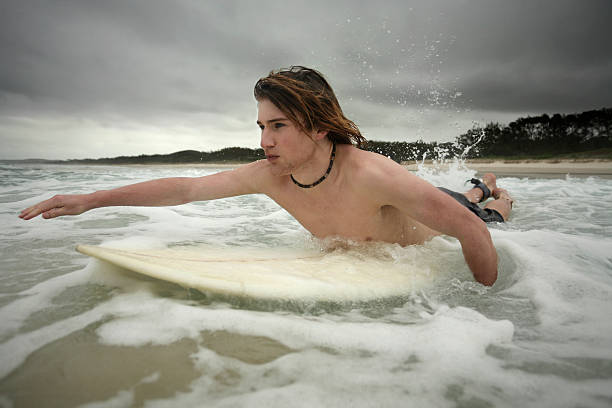
For a fresh grom, nothing beats a mushy wave. It’s the slow, crumbly, forgiving kind that gives you plenty of time to pop up and find your feet. Think of it as nature’s training wheels. You’ll want a fat, rolling wave on a sandy bottom—avoid anything steep or hollow. This mellow vibe lets you focus on your stance and balance without getting pitched over the falls. It’s all about logging water time and building confidence, so you can eventually step up to more critical sections. Start soft, charge hard later.

It’s like having a quiver for different moods of the ocean! Shortboards are for performance and punchy waves. Longboards are for noseriding and catching anything. Fish shapes are wide and flat for speed in small surf. Funboards are the perfect middle-ground for progression. Each shape interacts with the wave face differently. The goal is to match your stick to the conditions and your vibe—whether you’re hacking the lip or just trimming down the line with a smile.